








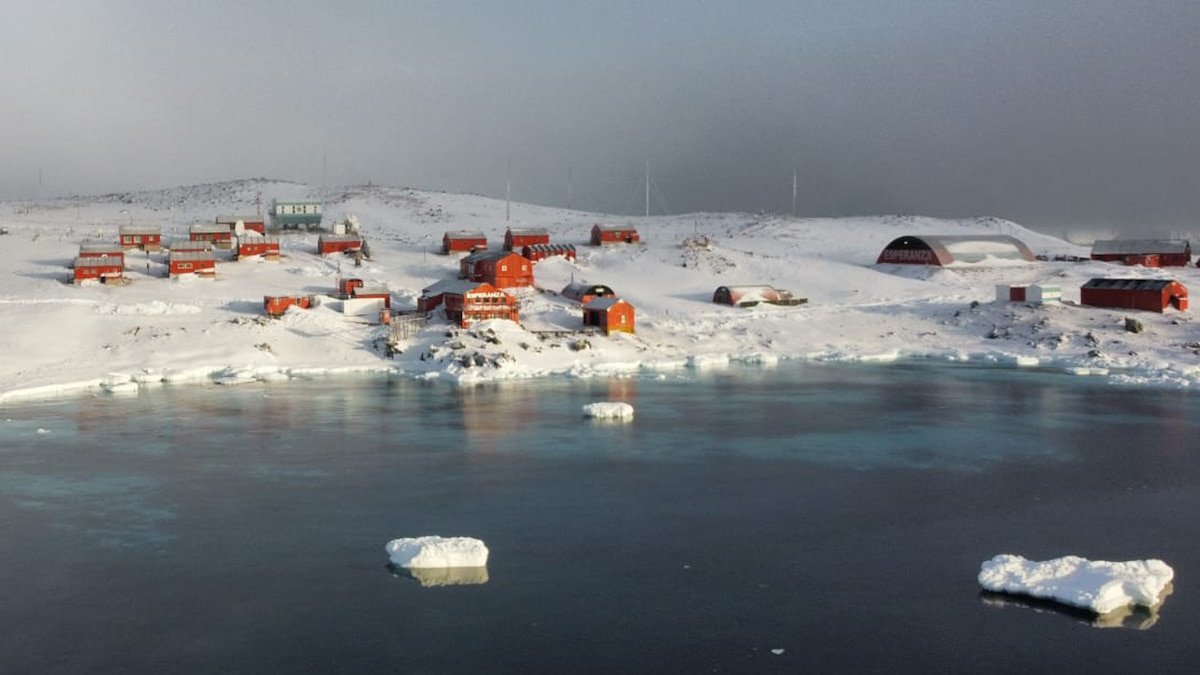
In the heart of the frozen continent, where the landscape is as unforgiving as it is pristine, Argentina is pioneering a rigorous model of environmental stewardship. Tasked with managing multiple research stations, including the notable Esperanza base, the nation is strictly adhering to the Madrid Protocol to the Antarctic Treaty, transforming the daily routines of its personnel into a masterclass in ecological preservation.
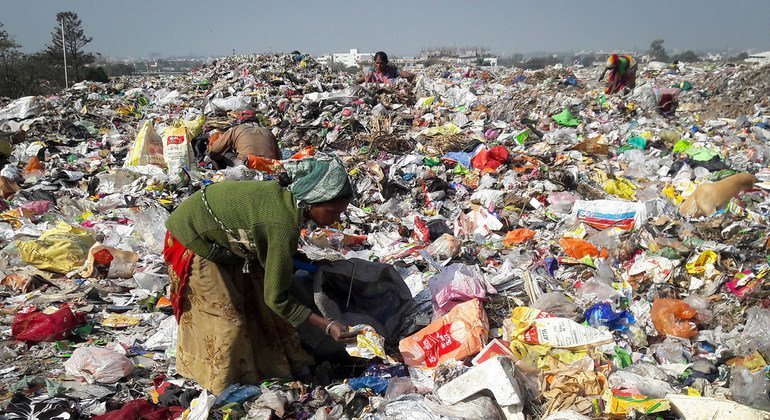
The primary environmental challenge in Antarctica is the management of human presence in a territory that naturally produces nothing and absorbs everything. To mitigate the footprint of its research facilities, Argentina has implemented an exhaustive waste management system. Waste is not merely discarded; it is classified into five distinct categories: biodegradable, non-biodegradable, hazardous, inert, and biodegradable liquids. Each category follows a precise trajectory, culminating in the complete evacuation of waste materials back to the mainland. At Esperanza, an advanced incinerator—equipped with specialized filtering systems to minimize toxic atmospheric emissions—processes biodegradable matter, ensuring that only inert ashes remain to be safely packed and transported away from the delicate polar environment.
Beyond waste, the threat of biological contamination remains a top priority. The introduction of non-native species or foreign pathogens poses an existential risk to Antarctic wildlife. To combat this, Argentina enforces strict biosecurity protocols. Personnel are required to thoroughly sanitize clothing and scientific equipment before even setting foot on the ice. This preventative measure acknowledges that even the smallest hitchhiking seed or microscopic organism could disrupt the fragile local equilibrium, potentially leading to irreversible consequences for endemic species.
Water resource management serves as another critical operational pillar. In an environment where water is abundant yet inaccessible, the bases rely on seasonal adaptability. During the brief austral summer, water is sourced from nearby lagoons, while the harsh winter necessitates the energy-intensive process of melting ice. To conserve this precious resource, the bases have adopted circular practices, such as the reuse of wash water for secondary tasks. Furthermore, the Esperanza base operates a dedicated wastewater treatment plant, ensuring that all discharges meet the stringent standards outlined in Annex III of the Antarctic Treaty Protocol. By treating water before it is released, the station prevents the contamination of the local aquatic ecosystem.
Sustainability efforts also extend to the human element. Environmental education is integrated into the life of the bases, turning them into living laboratories for sustainability. This culture of conservation reaches even the children residing at the bases, who participate in hands-on activities alongside scientists to learn the value of their environment. This grassroots approach ensures that the ethos of environmental responsibility is ingrained in all who pass through the continent.
Looking toward the future, the Argentine Antarctic program is undergoing a significant energy transition. A concerted effort is underway to replace traditional fossil fuel systems with electric energy sources. While the infrastructure was originally designed for the reliability of traditional fuel, the shift toward electrification represents a vital evolution in polar logistics, aimed at reducing the carbon footprint of human operations in one of the world’s most vulnerable regions.
The lessons learned within the confines of these bases transcend the geographical borders of the Antarctic. The extreme conditions of the region act as a magnifying glass, revealing the necessity for responsible resource management. As climate change continues to impact the poles, the commitment shown by these Argentine operations—from strict biosecurity to the shift toward green energy—serves as a vital benchmark for global environmental governance, proving that human activity and ecosystem preservation can, and must, coexist.
Disclaimer: This content is auto-generated for informational purposes only.
Source: Read Original News