



India Steps Up Diplomatic Efforts to Broker Peace in Russia-Ukraine Conflict
External Affairs Minister S. Jaishankar has provided the first official confirmation that India has moved beyond its long-standing policy of mere advocacy, actively engaging in direct dialogues with both Moscow and Kyiv to help bring the protracted Russia-Ukraine war to an end.
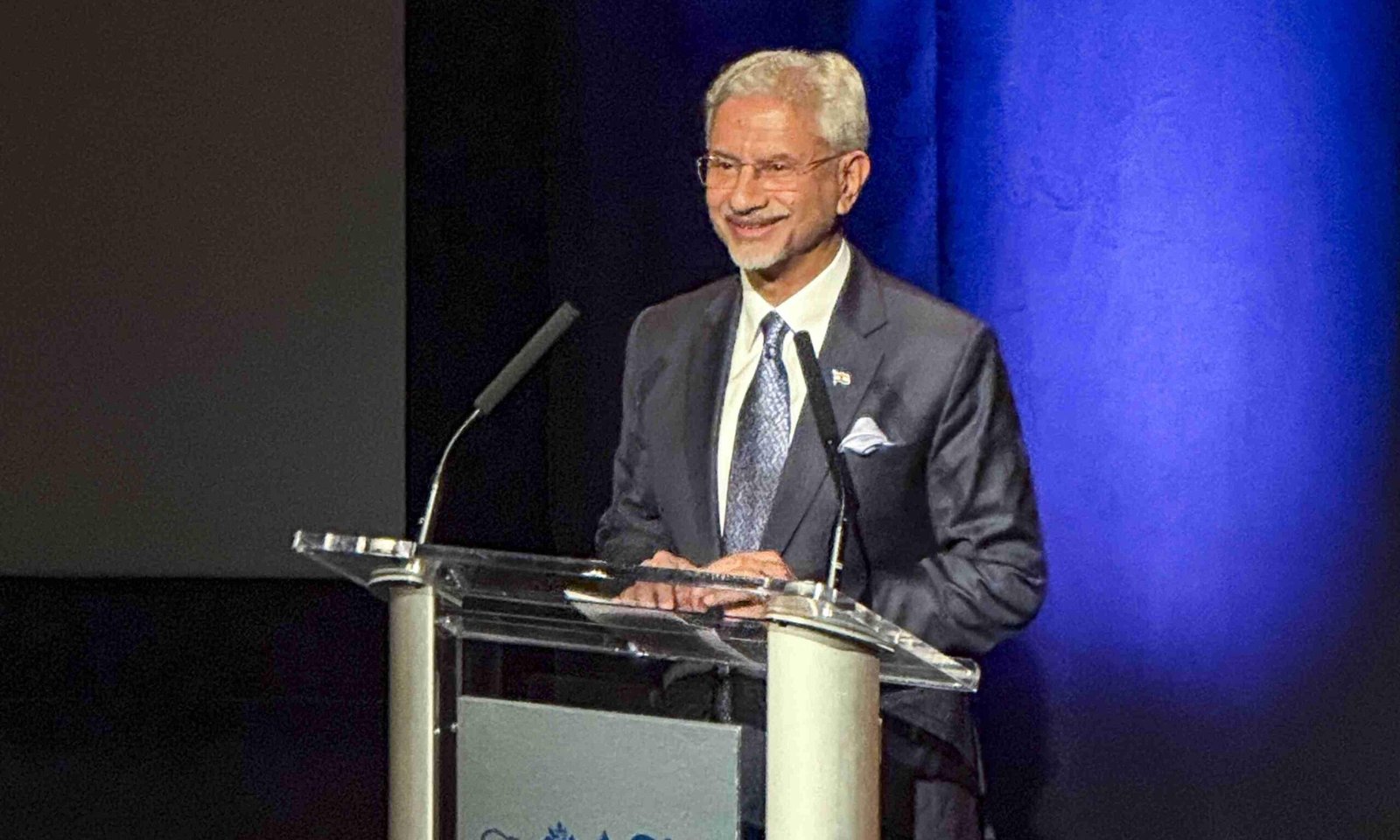
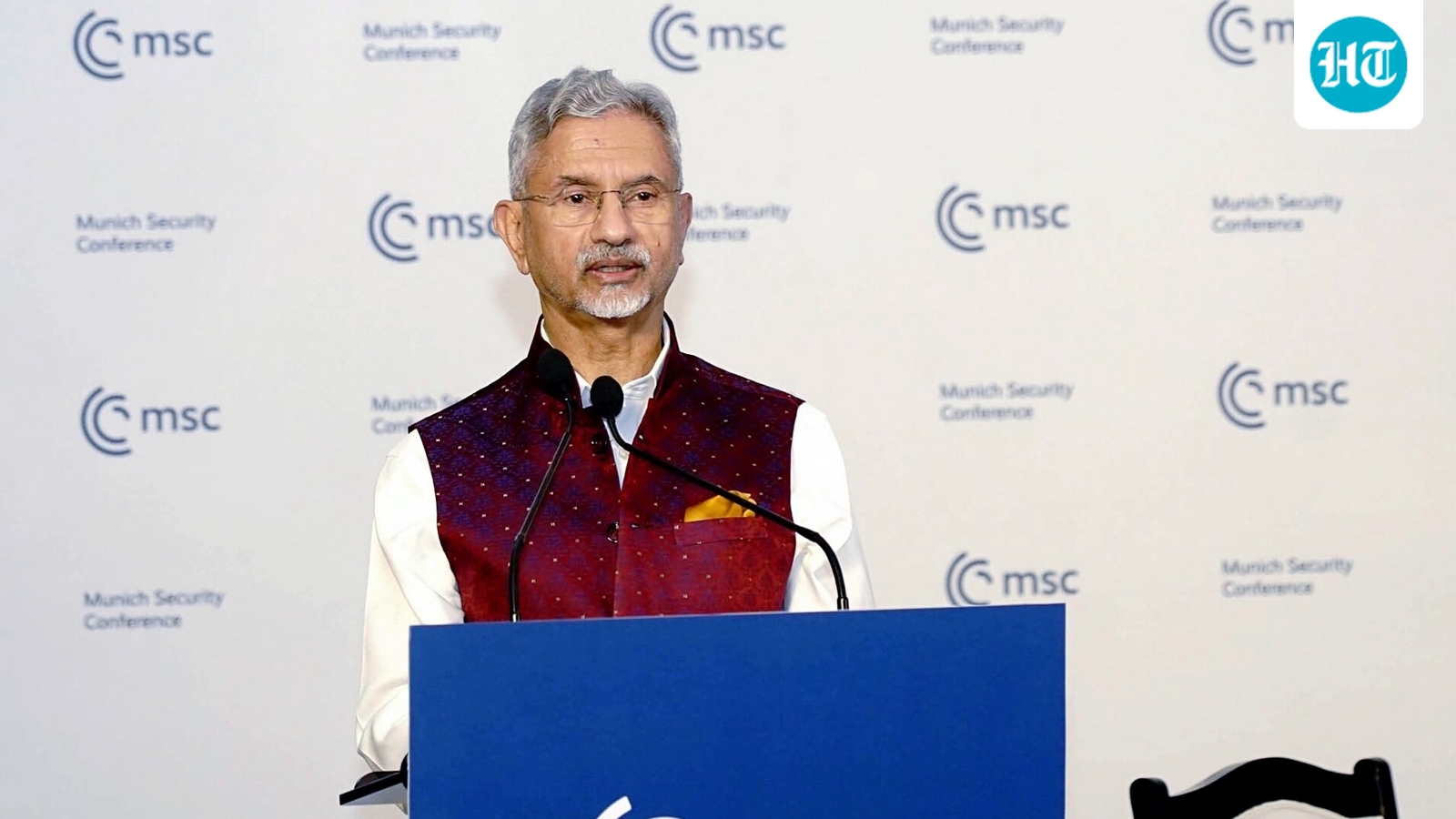
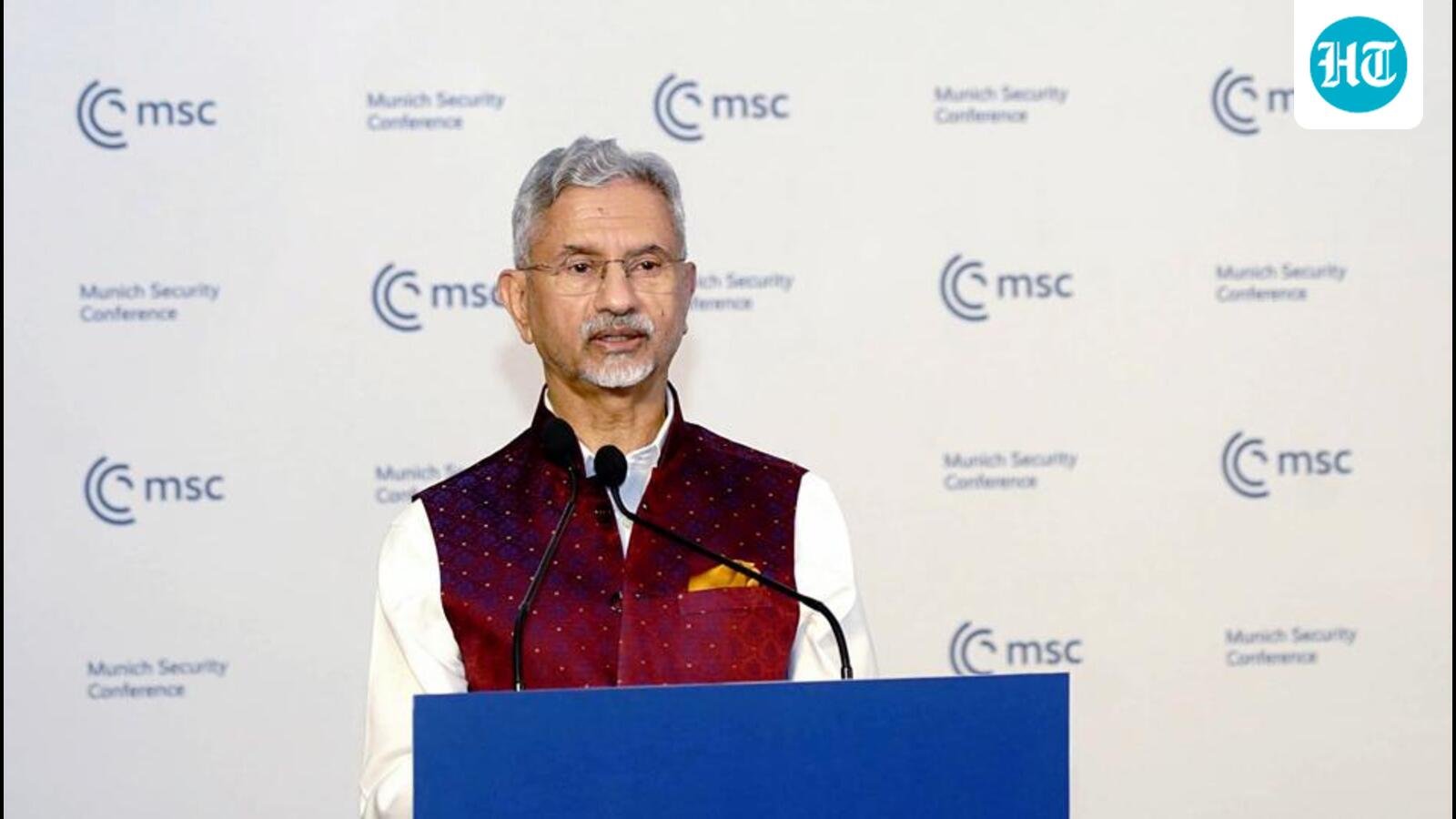
Speaking at the 62nd Munich Security Conference held in New Delhi on Sunday, Jaishankar revealed that India’s recent diplomatic interventions are focused on tangible de-escalation measures. This disclosure follows high-level international recognition of New Delhi’s role; Ukrainian Foreign Minister Andrii Sybiha recently lauded an Indian ceasefire proposal as the “most comprehensive” among several received by Kyiv, while Russian President Vladimir Putin has publicly acknowledged that Prime Minister Narendra Modi holds “excellent ideas” for achieving a mutually acceptable resolution.
Focus on Immediate Security and Humanitarian Concerns
While maintaining discretion regarding the finer points of the ongoing negotiations, the External Affairs Minister outlined the thematic scope of India’s initiatives. He emphasized that the conversations are currently centered on humanitarian and logistical security, specifically the safety of maritime shipping in the Black Sea.
“We are trying to be helpful, starting with the Black Sea and the safety of shipping,” Jaishankar explained. He noted that the government is working to address critical immediate concerns, including the stability of global grain and energy exports, as well as establishing “non-attack” agreements for specific infrastructure. These diplomatic efforts, according to the Minister, represent a shift in India’s role from an external observer advocating for peace to an active participant facilitating communication between the warring nations.
A Legacy of Trust Driving Neutral Diplomacy
Addressing the context of India’s diplomatic outreach, Jaishankar underscored that New Delhi’s unique position is bolstered by its historic and enduring relationship with Russia. Reminding the audience of the Soviet Union’s steadfast support during periods when India’s territorial integrity faced external threats, he noted that this deep-rooted trust remains a cornerstone of the bilateral dynamic.
“That history is not forgotten,” the Minister stated, while highlighting that the relationship has since evolved from a primarily security-centric alliance into a robust partnership spanning trade, energy, space, and nuclear cooperation. This multi-faceted bond allows India to maintain a credible seat at the table with Moscow, while its simultaneously deepening ties with the European Union and the West—focused on sectors like semiconductors, advanced manufacturing, and artificial intelligence—ensure that New Delhi remains a bridge-builder in a polarized global landscape.
Multilateral Ambitions and Global Stability
The Minister’s remarks also touched upon the broader vision for India’s foreign policy, which seeks to align with European powers on issues of global governance and the reform of multilateral institutions like the United Nations. By participating in initiatives such as the Partners for Multilateralism (P4M), India is looking to leverage its strategic autonomy to push for a more equitable global order.
These diplomatic efforts follow a series of high-stakes interactions over the last few months, including Prime Minister Modi’s discussions with President Putin on the sidelines of the SCO and BRICS summits, and his outreach to President Volodymyr Zelensky during the G7 summit in France. As these conversations continue, India’s explicit move to facilitate direct dialogue signals a pivotal moment in its foreign policy, marking a departure from passive neutrality toward a more proactive, mediator-driven approach to global security.
Disclaimer: This content is auto-generated for informational purposes only.
Source: Read Original News