




India Shifts from Advocacy to Active Mediation in Russia-Ukraine Conflict
New Delhi has officially confirmed its transition from a passive advocate of peace to an active participant in efforts to resolve the protracted Russia-Ukraine conflict. External Affairs Minister S. Jaishankar announced on Sunday that India is now engaged in direct, high-level dialogues with both Moscow and Kyiv, marking a significant evolution in New Delhi’s foreign policy posture.
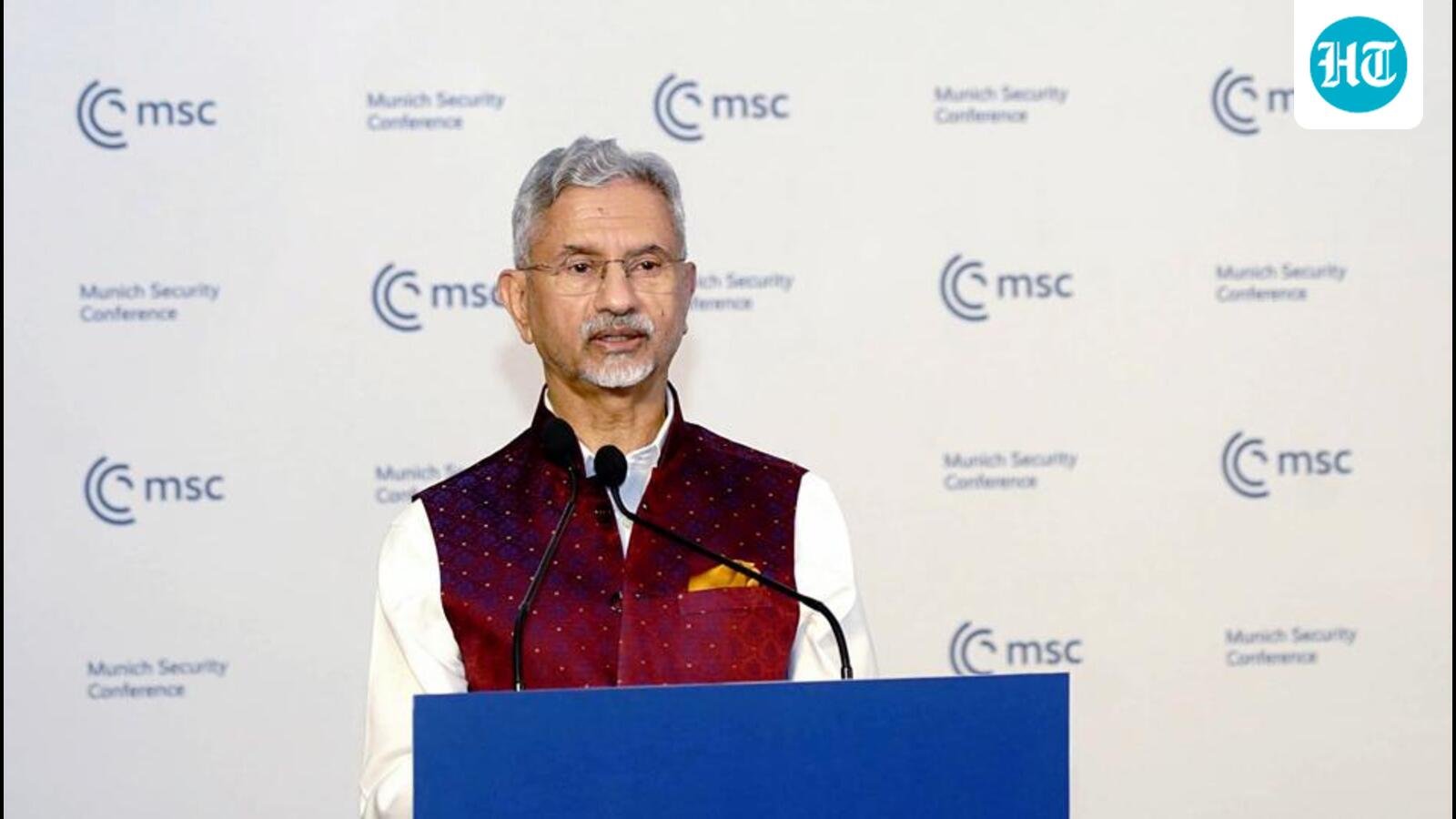
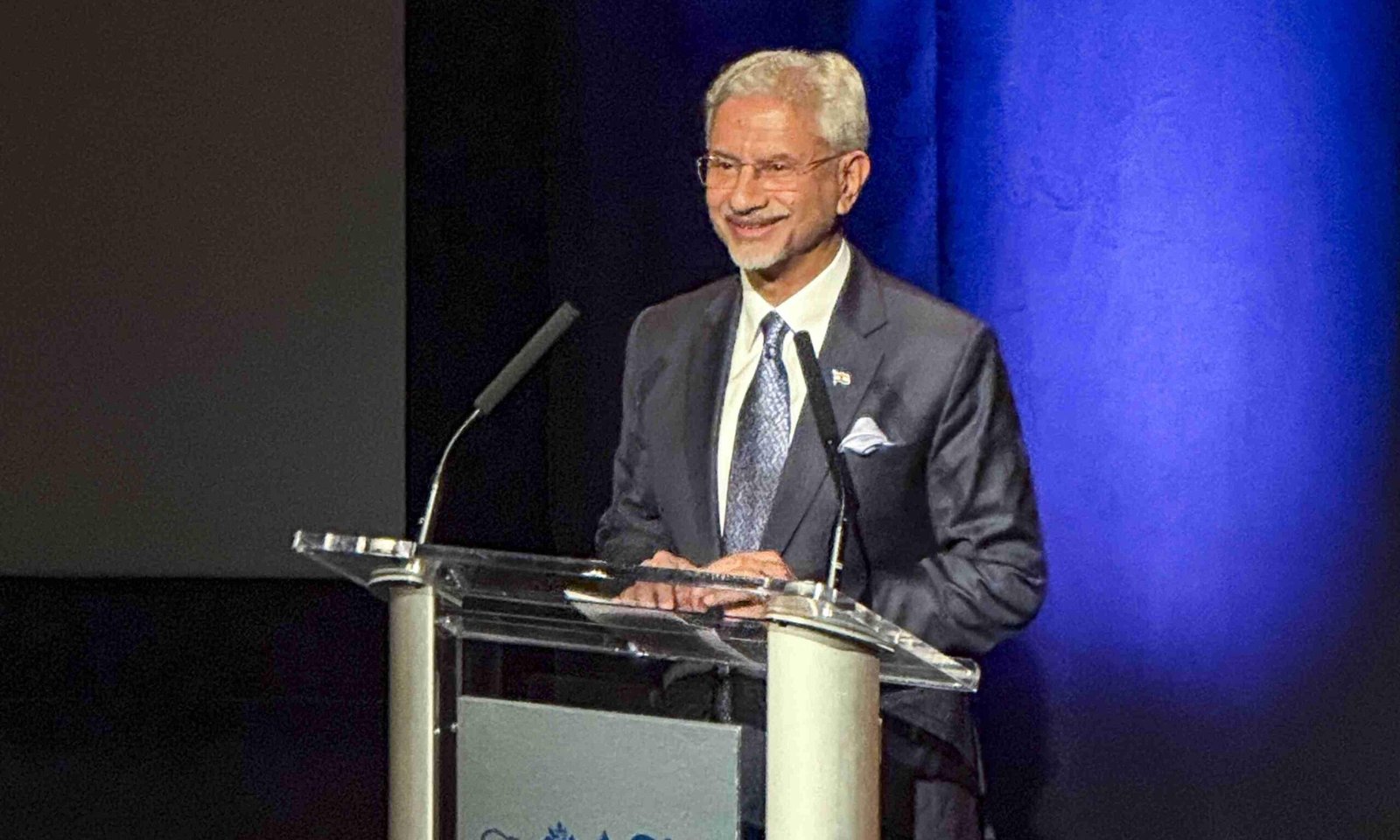
Speaking at the Munich Leaders’ Meeting held in the national capital, Jaishankar revealed that India is moving beyond mere public appeals for diplomacy, which have been the hallmark of its stance for the past four years. “We have been advocating for dialogue for many years, and in recent months we have become a little bit more involved beyond advocacy,” the Minister stated.
Facilitating Practical Solutions
While India has maintained a neutral position, calling for an “end to war” through negotiations, recent diplomatic maneuvers have seen New Delhi working on specific, actionable issues. Jaishankar highlighted that India’s current mediation efforts are focused on critical humanitarian and logistical concerns, specifically the safety of maritime shipping in the Black Sea, as well as the continuity of grain and energy exports.
These disclosures align with recent international developments. Just last week, Ukrainian Foreign Minister Andrii Sybiha confirmed that Kyiv had received potential ceasefire proposals involving India, among other nations. Furthermore, Russian President Vladimir Putin recently lauded Prime Minister Narendra Modi, noting that the Indian leader possesses “good ideas” that could serve as a foundation for a mutually acceptable resolution to the hostilities.
A Legacy of Trust
During his address, Jaishankar emphasized the deep-rooted ties between India and Russia, dating back to the 1950s. He reminded the audience that the Soviet Union stood by India during critical junctures regarding its territorial integrity. While the historical security partnership remains a cornerstone of the bilateral relationship, Jaishankar noted that the scope of cooperation has expanded significantly. Today, the Russia-India relationship is anchored in robust economic, energy, and technological exchanges, spanning space research, nuclear energy, and trade.
Navigating a Shifting Global Order
Beyond the Ukraine crisis, Jaishankar provided a comprehensive assessment of the evolving global geopolitical landscape. He described the current international environment as one defined by a “radical repositioning” of the United States, which he suggested is adopting a more selective, or “lonelier,” posture.
Simultaneously, the Minister pointed to the aggressive rise of China as a defining challenge of the era, noting that the intensifying competition between Washington and Beijing has led to the weaponization of economic leverage. In this “Goldilocks scenario,” where global powers must balance complex interdependencies against mounting rivalries, Jaishankar argued that India is championing a pragmatic approach for emerging nations.
He advocated for a model based on “agenda-based cooperation” rather than strict ideological alliances. According to Jaishankar, the focus for middle powers must be on diversification, de-risking supply chains, and finding common ground where possible. As countries hedge against global volatility, he noted, a new, more flexible international architecture is slowly emerging, allowing nations to collaborate on shared interests even when they lack total political congruence.
Disclaimer: This content is auto-generated for informational purposes only.
Source: Read Original News