






A New Benchmark for Handheld Portability
The technical leap between hardware generations often remains theoretical until a high-profile title demonstrates the tangible differences in pixel density, asset quality, and frame pacing. Digital Foundry’s recent analysis of The Witcher 3 Remastered on the upcoming Nintendo Switch 2 hardware provides a definitive look at how next-generation mobile silicon handles modern game architecture. For owners of the original Switch release, this update is more than a simple patch; it represents a comprehensive overhaul of one of the most demanding games ever ported to a handheld platform.
While the original Switch version of The Witcher 3 was heralded as a remarkable feat of engineering for its time, the Remastered edition on new hardware highlights the constraints of the aging Tegra X1 processor. The transition to the Switch 2 architecture utilizes modern upscaling technologies to push image clarity to levels previously unattainable in mobile play. By leveraging dynamic resolution scaling, the system maintains a high degree of fidelity, effectively bridging the gap between mobile performance and stationary home console output.
Navigating Resolution and Upscaling Technologies
At the core of the graphical improvement is the implementation of advanced resolution scaling. In docked mode, the game dynamically shifts between 540p and 1080p. This range is further refined by deep learning super sampling (DLSS), which reconstructs a sharp 1080p image from a lower base resolution. This allows the hardware to manage complex environmental rendering without overwhelming the onboard memory bandwidth.
Portable mode undergoes a similar transformation. The system targets a rendering range of 360p to 720p, with 720p serving as the final output. This adjustment ensures that handheld play remains crisp, avoiding the muddy textures that plagued portable sessions on the first-generation console. The clarity improvements are not limited to resolution; developers have overhauled character models and environmental textures, resulting in higher-fidelity geometry and more intricate detail mapping. The visual distinction is clear even on smaller displays, where environmental assets now appear sharper and more distinct.
Frame Rate Stability and Performance Hurdles
The performance target for the Remastered edition is ambitious, aiming for a 40fps cap on both docked and portable settings. Achieving this target requires the use of 120Hz display technology; otherwise, the game defaults to a standard 30fps lock. Technical testing indicates that while the system is capable of hitting these targets, the complexity of CD Projekt Red’s open-world engine continues to pose a challenge for mobile hardware.
In less taxing environments, the 40fps target is achievable, providing a smoother experience than the traditional 30fps standard. However, dense urban areas such as Novigrad or scenes involving large-scale combat with multiple NPCs reveal the limitations of the current optimization. In these high-intensity scenarios, frame rates tend to fluctuate between 30 and 40fps. While these dips are noticeable, the game remains entirely functional, and the overall stability represents a significant improvement over the jittery frame times experienced on the previous generation of hardware.
Quality of Life and Asset Management
Beyond raw performance, the technical overhaul addresses long-standing complaints regarding the original Switch version. One of the most immediate improvements is the refinement of background NPC animations. Previously, character movement in the distance often suffered from low-frequency updates, leading to a distracting jittery appearance. The Remastered edition implements superior animation cycles, allowing crowd members to move fluidly regardless of their proximity to the camera.
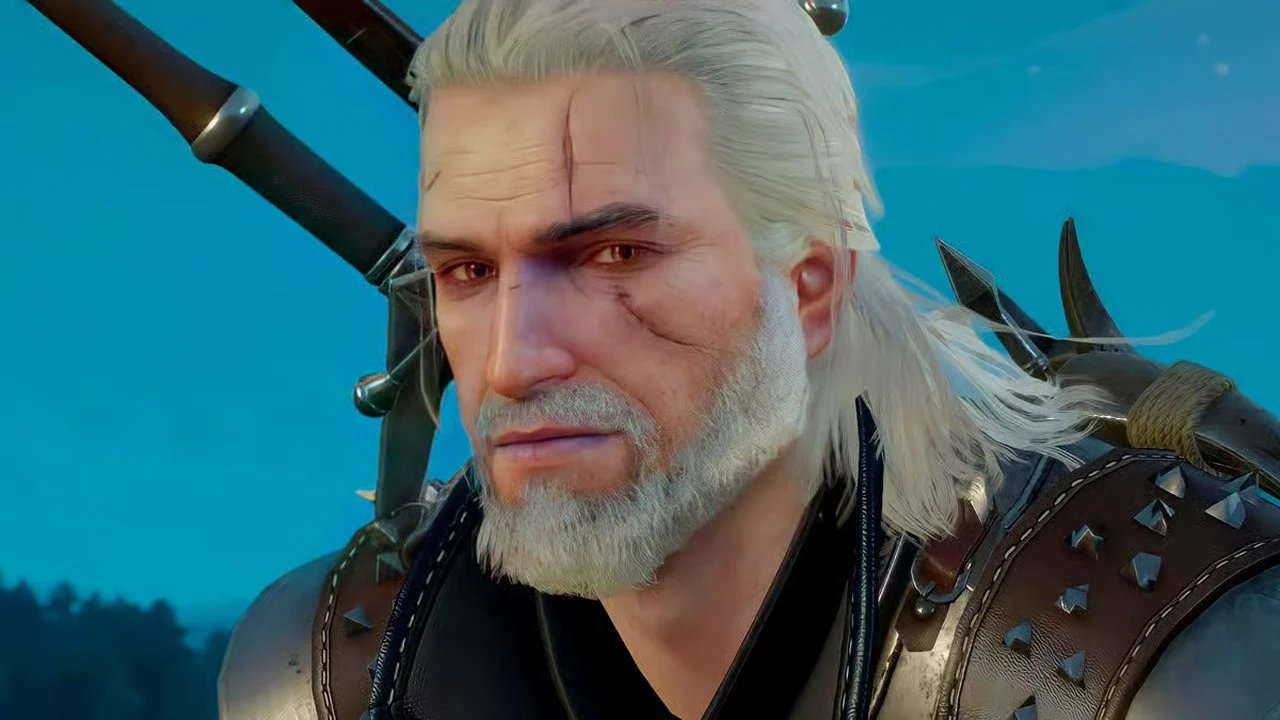
The inclusion of upgraded texture assets for both the main character, Geralt, and the surrounding scenery creates a much more cohesive presentation. Environmental assets now exhibit improved lighting and shadow mapping, which helps ground the characters within the world more effectively. These incremental improvements, while seemingly minor in isolation, contribute to a drastically different visual experience when viewed in aggregate.
The Future of High-End Portability
The current delivery of The Witcher 3 Remastered as a digital-only eShop release is notable given the substantial 55GB installation footprint. This size underscores the volume of upgraded textures and audio files included in this iteration. For players, this file size suggests a high-fidelity experience that rivals larger gaming systems, though it also creates a logistical requirement for high-capacity internal storage or microSD expansion.
The possibility of a physical release remains a subject of speculation, yet given the significant demand for this title and its popularity in physical collections, it remains a logical progression. The technical success of this Remastered edition validates the viability of porting high-end, demanding titles to Nintendo’s new platform. It serves as a proof of concept for developers looking to bring large-scale, open-world games to a portable format without sacrificing the artistic intent of the original release. By successfully implementing modern upscaling and animation techniques, this update establishes a new expectation for what constitutes a high-quality conversion on future Nintendo hardware.
Disclaimer: This content is auto-generated for informational purposes only.
Source: Read Original News