








The Evolution of Portable Performance
Apple is preparing to launch a significant overhaul of the MacBook Pro series, marking a departure from the design language established in recent years. Industry reports indicate that these upcoming models are slated for release within the next month, potentially setting a new standard for high-performance laptops. This update is highly anticipated not just for its internal specifications, but for the fundamental physical changes designed to improve portability and user interaction.
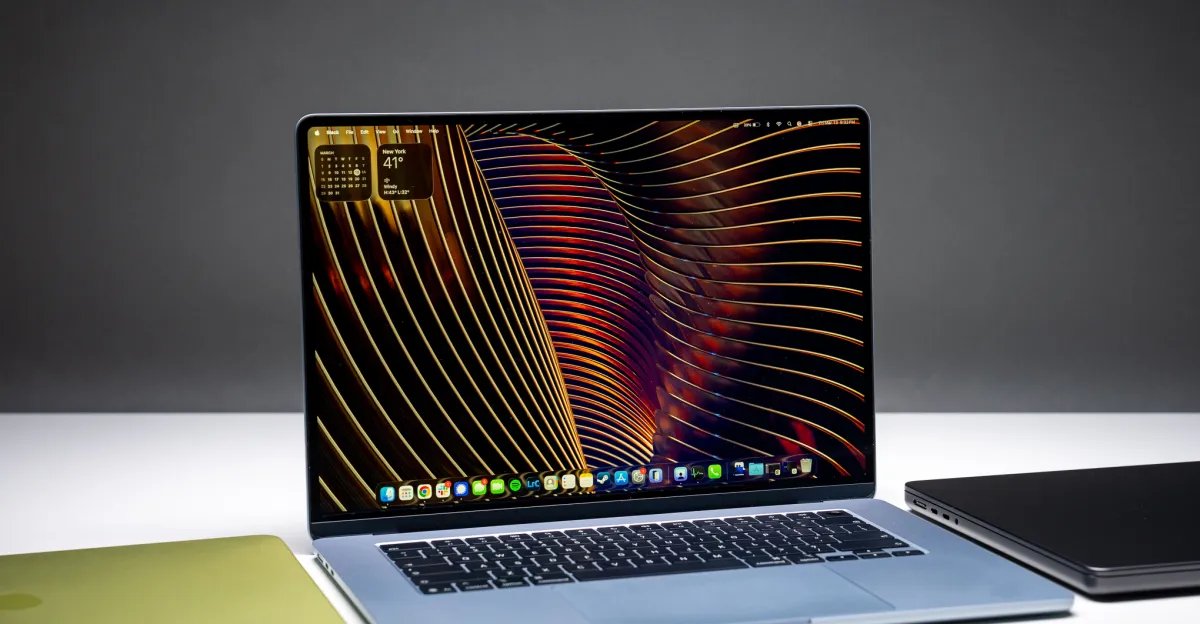
The most notable shift in this iteration involves the internal architecture. Through a process of extensive miniaturization and component rearrangement, Apple has managed to reduce the total mass of the chassis. Historically, the 16-inch MacBook Pro has been criticized by some users for its weight, which reaches 4.8 pounds. By optimizing the internal layout, Apple aims to bridge the gap between the professional-grade power of the Pro line and the portability of the MacBook Air, which sits at approximately 3.3 pounds. This reduction in weight is expected to be a primary selling point for professionals who prioritize mobility without sacrificing the thermal headroom required for demanding computational tasks.
Tandem OLED and Touch Integration
Beyond physical weight reduction, the integration of new display technology and input methods represents a departure from Apple’s long-standing stance on hardware interfaces. For the first time, the MacBook Pro will incorporate a touchscreen, a feature that necessitates a fundamental change in how users interact with the operating system. To complement this, reports suggest that the display will utilize Tandem OLED technology.
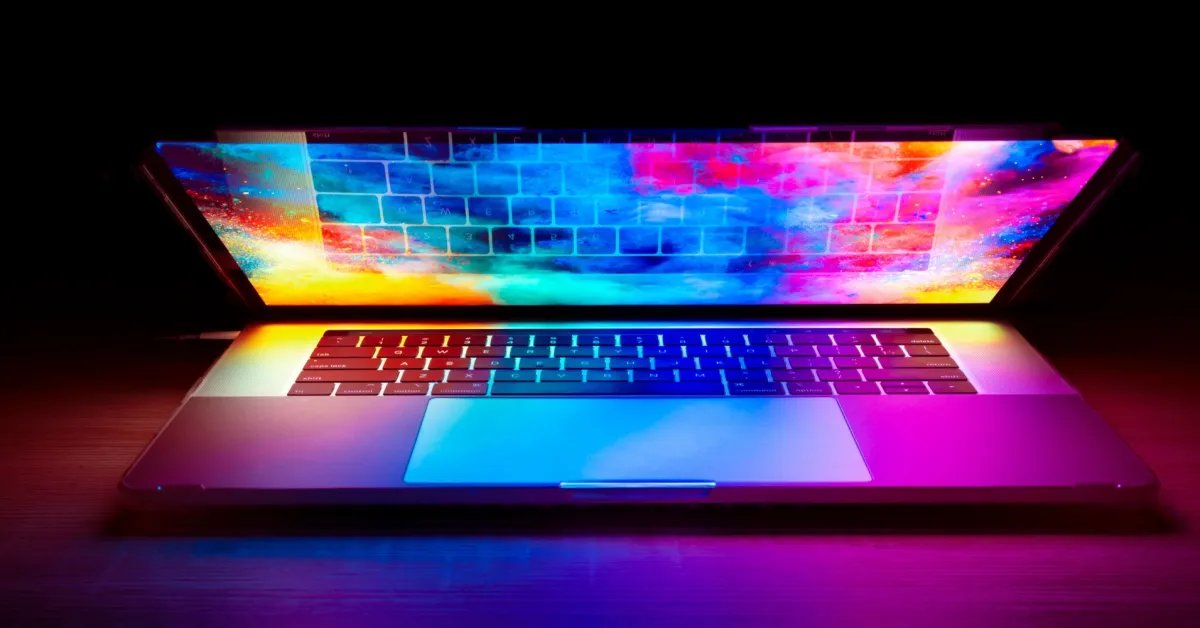
Tandem OLED architecture involves stacking two layers of light-emitting diodes to achieve higher brightness, improved contrast, and greater power efficiency compared to traditional OLED or LCD panels. This display technology is particularly advantageous for color-critical work, such as video editing and graphic design, as it offers deep blacks and increased light output. The introduction of touch functionality will be supported by specialized software adjustments, ensuring that the interface remains responsive and usable on a horizontal glass surface rather than just traditional trackpad or peripheral inputs.
Dynamic Island and macOS Integration
A long-rumored feature finally arriving on the MacBook platform is the Dynamic Island. Originally introduced on the iPhone, this UI element uses the area around the camera notch to display real-time notifications, ongoing background tasks, and status alerts. Integrating the Dynamic Island into macOS requires a cohesive approach to desktop window management and system alerts.
These UI changes are expected to be bundled within the upcoming macOS 27.2 update. The operating system, currently referred to as macOS Golden Gate, includes specific frameworks designed to bridge the gap between touch-based input and the precision required for desktop-level applications. By standardizing the interface across its hardware portfolio, Apple is building a more unified computing experience, allowing the Dynamic Island to act as a centralized hub for system status, whether a user is interacting with the device via keyboard, trackpad, or the new touchscreen.
Strategic Chip Utilization
While the hardware undergoes a physical transformation, the processing power remains rooted in the M5 series. Rather than jumping immediately to the next iteration of the M6 family, Apple has opted to continue using the M5 Pro and M5 Max chips for this release. This decision is part of a strategic roadmap to focus development resources on the upcoming M7 architecture, which is expected to bring significant advancements in artificial intelligence and machine learning throughput.
By sticking to the M5 Pro and M5 Max for this cycle, Apple ensures that the devices benefit from established, highly efficient silicon while dedicating their manufacturing capacity to the more substantial architecture jump planned for the future. The existing M5 chips remain more than capable of handling high-end professional workflows, including 8K video rendering, large-scale software compilation, and complex data modeling, providing a reliable foundation for the new, lighter form factor.
Impact on the Professional Workflow
The cumulative impact of these changes serves to redefine what a workstation-class portable computer looks like. Professionals who previously required a desktop or a significantly heavier laptop will benefit from the combination of high-brightness Tandem OLED displays and the increased portability afforded by the redesigned, lighter chassis.
The inclusion of touch, combined with the Dynamic Island, signals an intent to make the MacBook Pro a more versatile tool for creative tasks. While traditional power users may still rely heavily on keyboard shortcuts and trackpad precision, the additional interaction layer provides new utility for navigation and content manipulation. As Apple prepares to roll out these machines before the end of November, the market will gain a clear indication of how the company intends to balance the legacy requirements of macOS with the hardware expectations of a modern, touch-enabled mobile landscape.
Disclaimer: This content is auto-generated for informational purposes only.
Source: Read Original News