







Jaishankar Distinguishes India’s NPT Status from Iran as West Asia Tensions Impact Global Energy
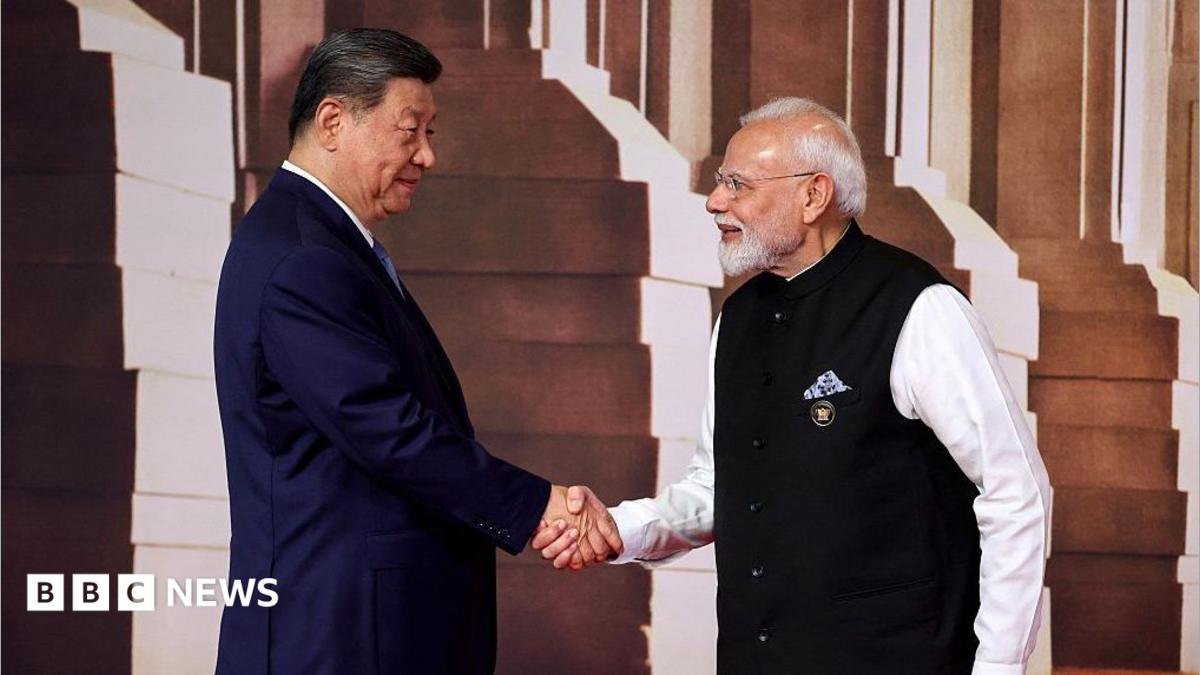
New Delhi: External Affairs Minister S. Jaishankar has provided a clear diplomatic demarcation between India’s nuclear policy and that of Iran, emphasizing that the two nations operate under fundamentally different international legal frameworks. Speaking at the Munich Leaders Meeting on October 4, 2026, the Minister addressed the escalating crisis in West Asia and its direct repercussions on global economic stability.
Distinct Legal Stances on Nuclear Non-Proliferation
Addressing the complexities surrounding Iran’s nuclear posture, Jaishankar clarified why India’s historical stance cannot be equated with Tehran’s current predicament. He pointed out that India is one of the few nations that never signed the Nuclear Non-Proliferation Treaty (NPT), thereby retaining its sovereign rights regarding its nuclear program. Conversely, Iran is a signatory to the NPT and ratified the agreement in 1970 as a Non-Nuclear Weapon State, making it legally bound by International Atomic Energy Agency (IAEA) safeguards.
“On the Iran issue, India was a country that did not sign the NPT and reserved its rights,” Jaishankar stated. “Iran signed the NPT. The situation is very different.” By highlighting this, the External Affairs Minister shifted the focus toward India’s primary concern: the threat to global energy security and trade logistics resulting from the ongoing regional conflict.
The Human Cost of Energy Volatility
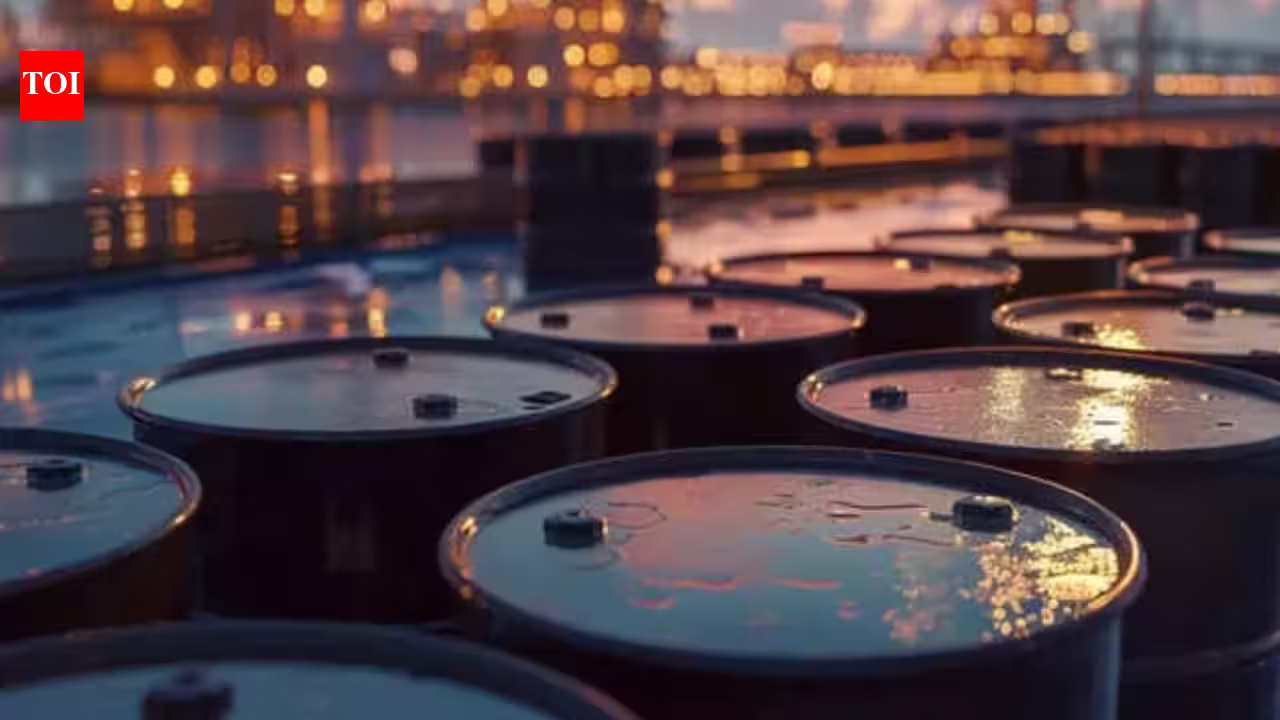
Beyond the geopolitical maneuvers, Jaishankar struck a chord regarding the domestic impact of the crisis. With India importing over 85% of its crude oil requirements, the instability in the Persian Gulf directly affects the daily lives of Indian citizens. The Minister warned that the volatility in global energy markets is not merely a macroeconomic concern but a matter of national welfare.
“Energy markets are deeply unsettled,” Jaishankar remarked. “This is people’s kitchens, jobs, and their livelihoods, and these are all on the line for us because we were primarily dependent on that part of the world.” He noted that for energy-importing nations like India, fluctuations in shipping routes and crude prices inevitably lead to domestic inflation, higher fuel costs, and increased budgetary stress on ordinary households.
A Call for Restored Stability
As the rhetoric between Washington and Tehran intensifies, India continues to advocate for a resolution grounded in international law. US President Donald Trump recently suggested that Washington is weighing its options for a confrontation with Iran, characterizing the outcome as potentially occurring “the easy way or the hard way.” Meanwhile, Iranian President Masoud Pezeshkian has countered, claiming that Tehran has implemented “new arrangements” to neutralize the impact of intensified US economic sanctions.
In the face of these developments, Jaishankar urged for a de-escalation that restores the uninterrupted flow of energy and trade. He expressed hope that any forthcoming solution would align with international legal principles, noting that India is currently enduring the consequences of conflicts in which it is not a participant and which occur far from its borders. The Ministry of External Affairs continues to monitor the situation closely, prioritizing the protection of India’s economic lifelines and long-term energy security.
Disclaimer: This content is auto-generated for informational purposes only.
Source: Read Original News