








Trade Talks Between India and US Hit Stagnation Point, Says Nirmala Sitharaman
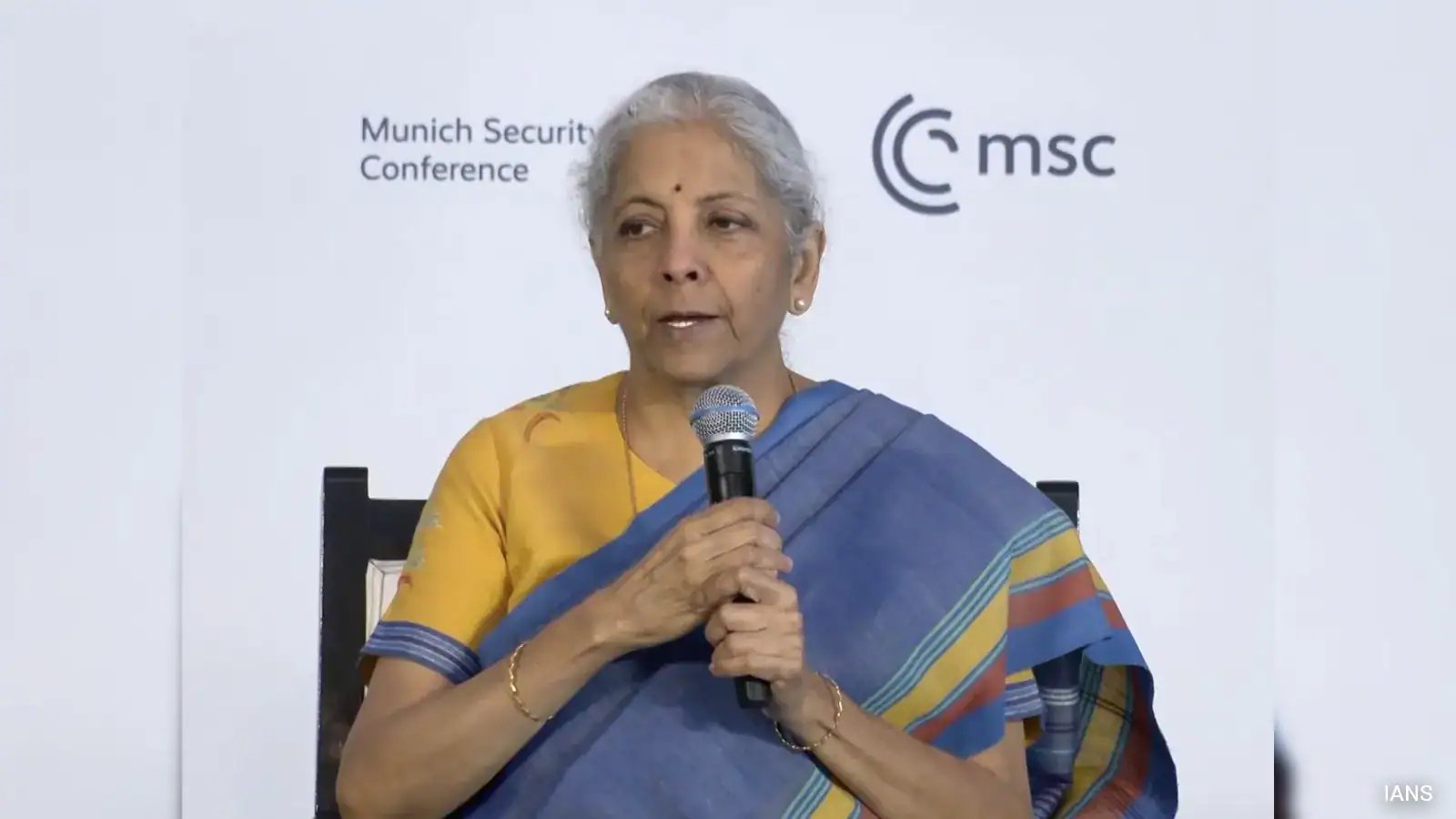
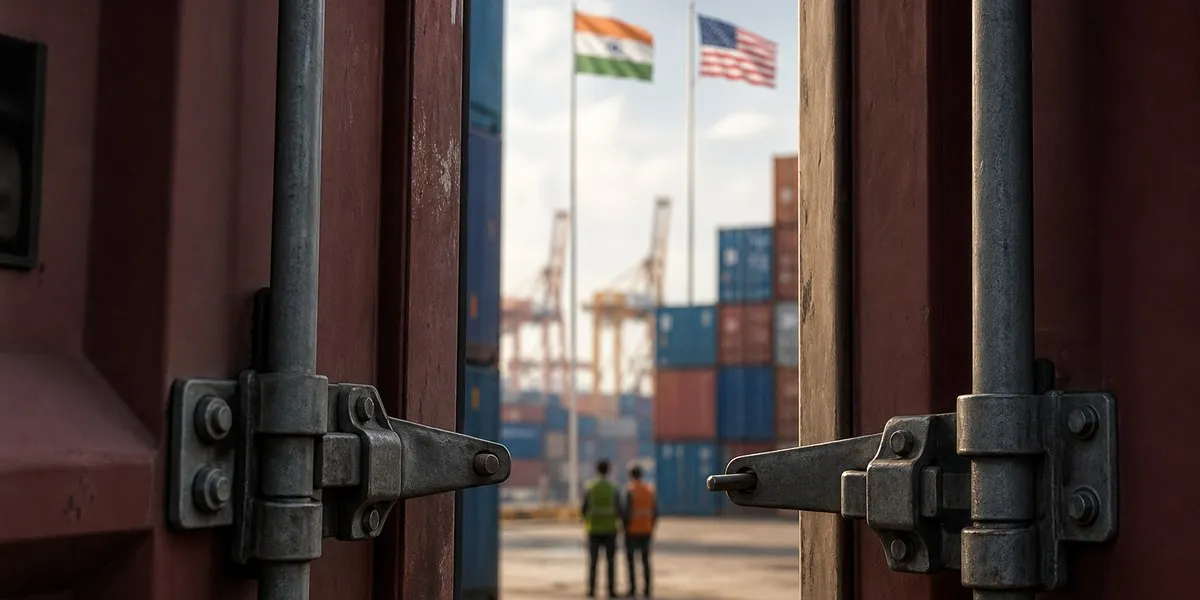
Trade negotiations between India and the United States, which have been a cornerstone of the two nations’ economic diplomacy since early 2025, appear to have entered a phase of stagnation. Speaking at a high-level event in New Delhi, Union Finance Minister Nirmala Sitharaman signaled that the ongoing dialogue has reached a critical juncture, suggesting that further concessions from either side have become increasingly difficult to negotiate.
A Complex Economic Impasse
Minister Sitharaman’s comments highlight the hardening of positions between the two global powers. While she acknowledged that the goal of deepening bilateral economic ties remains a priority, she noted that the room for further maneuvering is narrowing. “Both countries could potentially move further if there were space to do so, but we have reached a point where further concessions are extremely challenging for both sides,” the Minister explained.
This candid admission comes against the backdrop of persistent, high-stakes negotiations that have aimed to resolve long-standing disputes regarding market access, tariffs, and regulatory alignment. Despite the shared ambition of a comprehensive trade deal, the atmosphere remains noticeably tense, reflecting the deep-seated structural differences in the two nations’ economic priorities.
Diverging Interests and Trade Deficits
The negotiations, which formally commenced in February 2025, have been characterized by a delicate balancing act. A primary point of friction, as identified by the Finance Minister, is the existing trade imbalance. Currently, the balance of trade significantly favors India, a reality that has become a focal point of concern for Washington.
In the United States, there is growing political pressure to address this deficit, with the U.S. government seeking more favorable terms that could recalibrate the flow of goods and services. Conversely, New Delhi has maintained its stance, seeking its own set of preferential terms that protect its domestic manufacturing interests while aiming to secure greater access to American technology and service markets. This fundamental conflict of interest regarding who should provide the most “give” in the deal has created a bottleneck that both sides are struggling to navigate.
Lingering Doubts on a Swift Resolution
The lack of momentum was corroborated by U.S. Trade Representative Jamieson Greer. Following his recent discussions in the United States with Indian Commerce Minister Piyush Goyal, Greer indicated that the two nations are not yet close to finalizing an agreement. His assessment underscores the persistent gaps that remain after months of intensive diplomatic effort.
As the talks continue, analysts are closely watching whether the two sides can find a breakthrough. The challenge lies in harmonizing India’s “Make in India” initiatives with the U.S. push for a more balanced, reciprocal trade framework. While both nations recognize the strategic necessity of a robust economic partnership, the domestic political costs of offering further concessions appear to have sidelined the prospects of a near-term breakthrough.
For now, the trade dialogue remains in a state of suspended animation—a “plateau,” as described by observers—where both New Delhi and Washington must decide whether to seek a pragmatic compromise or accept that their current economic objectives may remain fundamentally irreconcilable in the current political climate.
Disclaimer: This content is auto-generated for informational purposes only.
Source: Read Original News