




UN ‘Prisoner of the Past’: Jaishankar Calls for Urgent Global Reform
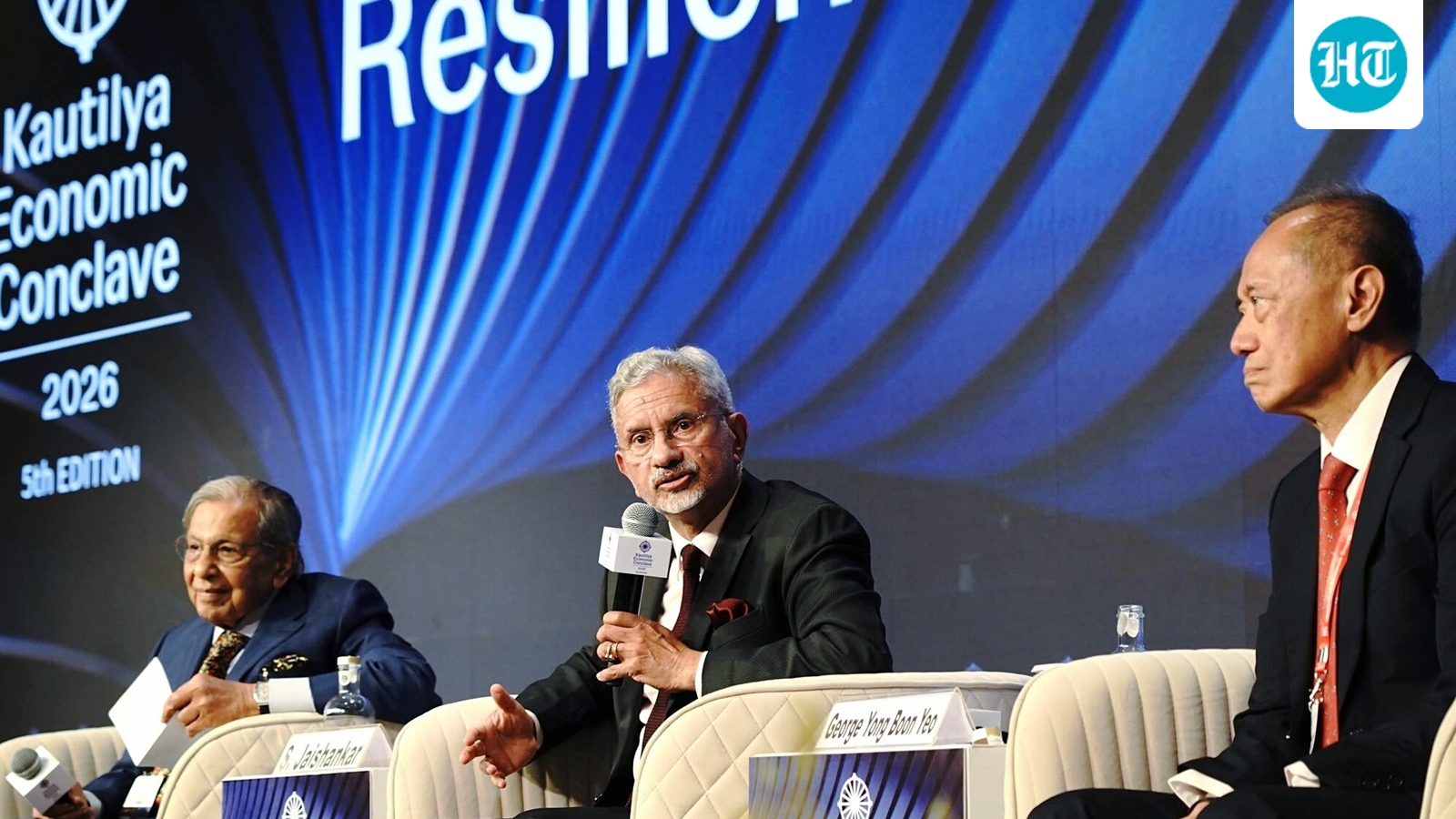
External Affairs Minister S. Jaishankar has delivered a sharp critique of the United Nations, characterizing the global body as a “prisoner of the past” that has become increasingly irrelevant in addressing contemporary geopolitical crises. Speaking at the 5th Kautilya Economic Conclave in New Delhi on Monday, the minister underscored the urgent need to restructure international institutions to reflect the realities of a modern, multipolar world.
A Gridlocked Institution
During an interactive session at the conclave, Jaishankar articulated his concerns regarding the UN’s inability to influence major conflict zones. Pointing to the ongoing wars in Ukraine and the Gulf, as well as the institution’s sluggish response to the Covid-19 pandemic, he argued that the organization is currently suffering from deep systemic gridlock.
“It is obvious to everybody by now that the UN is gridlocked,” Jaishankar stated. “If you look at the major issues of the day… the United Nations has been largely irrelevant to the decision-making process.”
The minister attributed this failure primarily to the UN Security Council, which he suggested no longer possesses the representative legitimacy to speak for the global interest. He pointed to a simple demographic and political reality: while the UN was founded with only 51 member states, it has since grown fourfold. “If you have grown four times, and you want to keep the old board of management, it’s not going to work. It’s common sense,” he remarked.
Resistance to Change
Jaishankar also took aim at a handful of nations that continue to block reform efforts. While he refrained from naming specific countries, he criticized those that weaponize the interests of African nations as a pretext to stall progress.
He highlighted the irony of this position, noting that African countries have already articulated their own clear vision for reform and have actively presented their proposals during intergovernmental negotiations. By ignoring these calls for change, these resisting powers are effectively stifling the modernization of an institution meant to serve the entire international community.
Beyond the UN: A Broken Trade System
The minister’s critique extended beyond political diplomacy to the global economic architecture. He warned that the international trade system is fundamentally broken, largely due to a clash between established market principles and rising non-market practices.
“There is a widespread feeling in the world that the system is broken,” Jaishankar said. “The struggle between market norms and non-market realities is at the heart of the distortion in the international economy.”
Strengthening, Not Bypassing
Despite his harsh assessment, Jaishankar emphasized that India remains committed to the necessity of the United Nations. He argued that the global community should not seek to work around the institution but must instead focus on fixing it from within.
“We need the UN. The UN has done a big service to the international community,” the minister said. He concluded by asserting that the organization itself must take responsibility for its own transformation to remain relevant in an age of flux.
The three-day Kautilya Economic Conclave, where these remarks were made, concluded with a focus on resilience and the changing dynamics of the global order, setting the stage for what India increasingly views as a mandatory shift in international governance.
Disclaimer: This content is auto-generated for informational purposes only.
Source: Read Original News