








RBI Set for First Rate Hike in Four Years as Inflation Strains Economy
New Delhi: In a pivotal shift for India’s monetary policy, the Reserve Bank of India (RBI) is widely expected to increase interest rates this Wednesday. This move, marking the first hike in nearly four years, comes as the central bank grapples with persistent inflationary pressures and a national currency that is currently hovering near record lows.
The impending decision serves as a significant milestone for Governor Sanjay Malhotra, who assumed office in December 2024. Having previously presided over a series of rate cuts, Malhotra now faces a challenging economic landscape that necessitates a hawkish recalibration to stabilize the financial environment.
Inflation and External Pressures
Market consensus reflects a clear anticipation of change. A recent Bloomberg survey of 41 economists revealed that 35 expect the Monetary Policy Committee (MPC) to raise the benchmark repurchase rate by 25 basis points, bringing it to 5.50 per cent.
Several factors have forced the central bank’s hand. Since the August meeting, India has seen a steady climb in inflation, which is currently nearing the 5 per cent mark. Furthermore, the resurgence of crude oil prices—now exceeding $100 a barrel due to Middle East instability—has intensified concerns over the import-heavy Indian economy. Added to this is the weakened rupee, which recently touched a record low of 96.38 per dollar, and the global trend of tightening cycles led by the US Federal Reserve.
Balancing Growth and Stability
While the RBI is under pressure to curb inflation, the central bank must tread carefully to ensure that growth remains intact. Current forecasts suggest that the RBI may upgrade its growth projections for the fiscal year ending March 2027, even as it looks to tighten monetary conditions.
“The objective is to ensure real policy rates do not turn negative,” noted Gaura Sen Gupta, chief economist at IDFC First Bank. While most experts anticipate a “shallow” tightening cycle, others warn that the primary drivers of inflation remain supply-side constraints. Consequently, any aggressive signal from the RBI could impact bond yields, which have already climbed nearly 30 basis points since September.
The Challenge of Excess Liquidity
Beyond the headline interest rate, Governor Malhotra faces the unique problem of an “excess cash” environment. A massive influx of foreign-currency deposits earlier this year—totaling approximately $133 billion—has left the banking system saturated with liquidity. This surplus has complicated the transmission of monetary policy, often keeping borrowing costs lower than intended.
Financial experts are closely monitoring how the RBI plans to mop up this liquidity. While the central bank has already withdrawn over 1 trillion rupees from the system, it will likely need to employ additional tools such as bond sales or currency swaps to effectively manage monetary conditions.
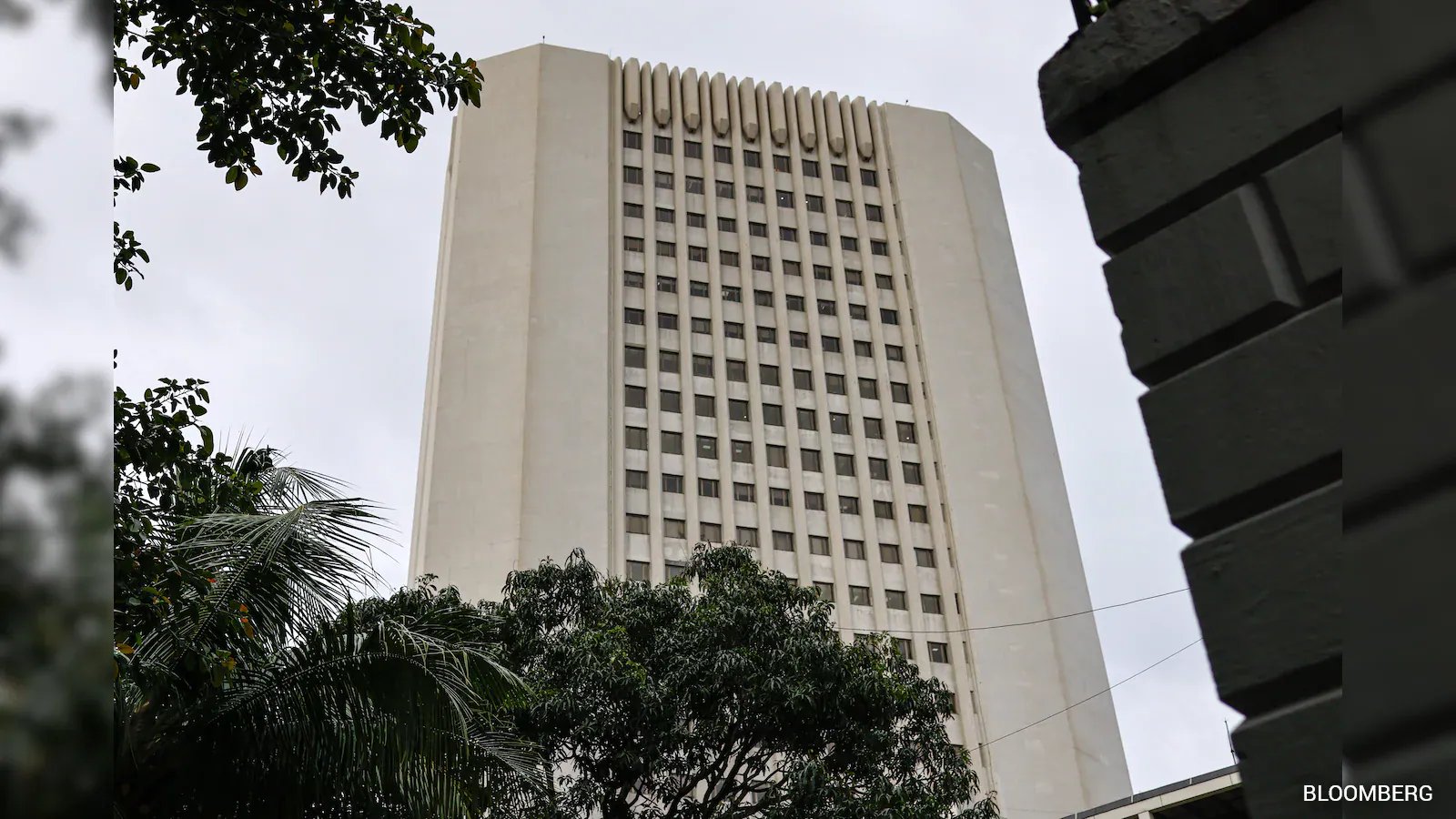
As policymakers prepare to announce their decision at 10 a.m. in Mumbai, the focus for investors remains twofold: the immediate rate adjustment and the long-term roadmap for managing both inflation and the persistent liquidity overhang. With foreign investors retreating from Indian equities amid higher US yields and currency volatility, the RBI’s communication will be critical in shaping market sentiment for the remainder of the year.
Disclaimer: This content is auto-generated for informational purposes only.
Source: Read Original News