







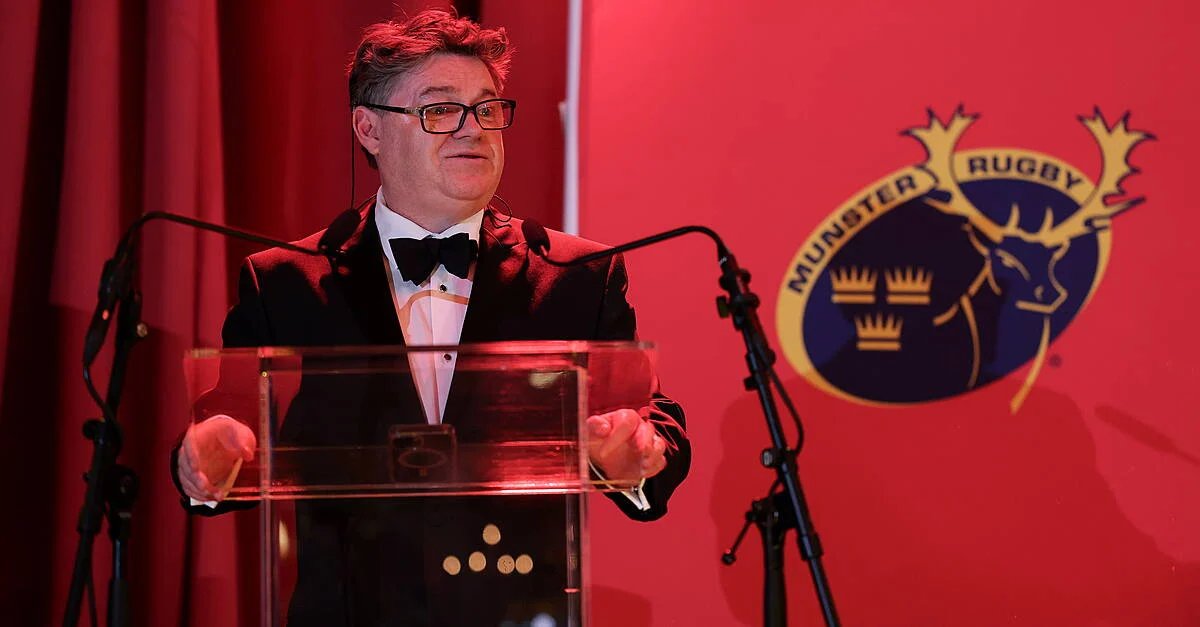
The departure of Ian Flanagan as Chief Executive of Munster Rugby was met with widespread acknowledgement that it was, perhaps, the only logical conclusion to a tumultuous period for the province. When the announcement was made last week that Flanagan would step down at the end of the month, the news rippled through the rugby world not as a shock, but as a long-awaited resignation necessitated by a season defined by organizational upheaval and a series of damaging headlines. For many within the Munster faithful, it was simply time for Flanagan to do the honourable thing.
However, as the dust settles on his departure, the focus of the province has shifted from the identity of the outgoing CEO to a far more existential concern. While the search for a successor is undoubtedly a priority for the Munster Branch, it has been overshadowed by an impending independent governance and organizational review. Conducted by the Governance Company, this audit represents a critical inflection point for one of Ireland’s most storied sporting institutions.
The review, commissioned by the Munster Branch, was prompted by the sustained pressure of the past year. Beyond the surface-level dissatisfaction regarding on-field performance or recruitment, the core of the issue lies in the operational and structural integrity of the organization. Supporters and stakeholders alike are now questioning whether the problems that plagued Flanagan’s tenure were merely symptoms of a larger, systemic malaise within the province’s governing body.
The big question now facing the branch is not merely who will sit in the CEO’s chair next, but whether that individual will be inheriting a broken system or a successfully reformed one. The Governance Company has been tasked with dissecting the internal mechanics of Munster Rugby, looking at accountability, decision-making processes, and the strategic alignment between the professional game and the amateur base.
There is a growing consensus that the appointment of a new CEO, regardless of their credentials, will be futile if the underlying governance structures remain unchanged. If the report finds that the branch has suffered from a lack of oversight or an outdated operational model, then a mere change in personnel will be akin to putting a bandage on a much deeper wound.
For now, the province remains in a state of nervous transition. Flanagan’s exit marks the end of a difficult chapter, but the introduction of the independent review suggests that the next chapter may be even more transformative. As the Munster Branch awaits the findings of the Governance Company, the pressure to demonstrate transparency has never been greater. The future of Munster Rugby depends less on who will lead the province into the next decade, and more on how the province intends to fix the foundations beneath them.
Disclaimer: This content is auto-generated for informational purposes only.
Source: Read Original News