








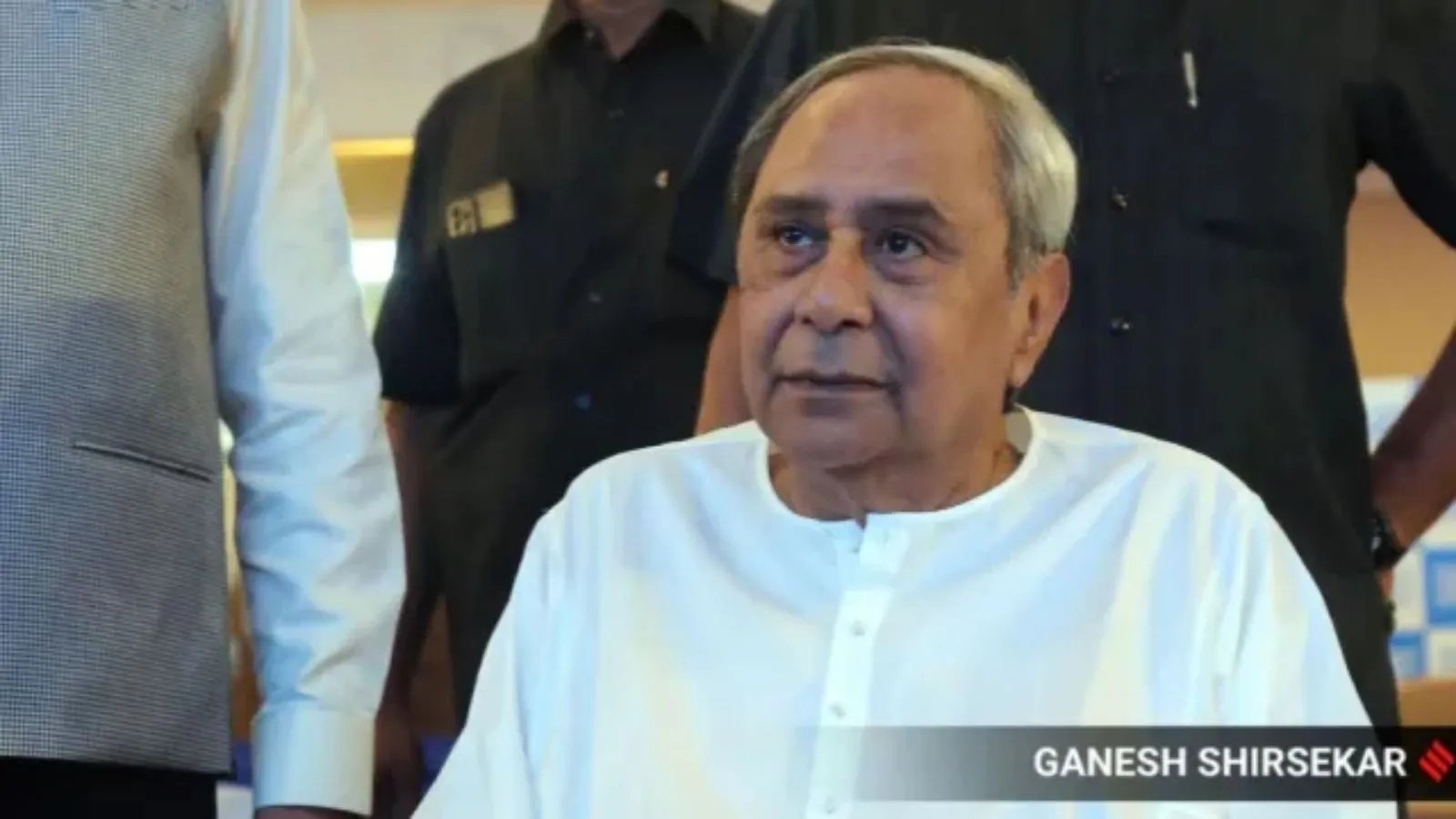
BJD Joins INDIA Bloc Protest Against Election Commission, Demands CEC Resignation
New Delhi | Updated: Oct 6, 2026 12:57 PM IST
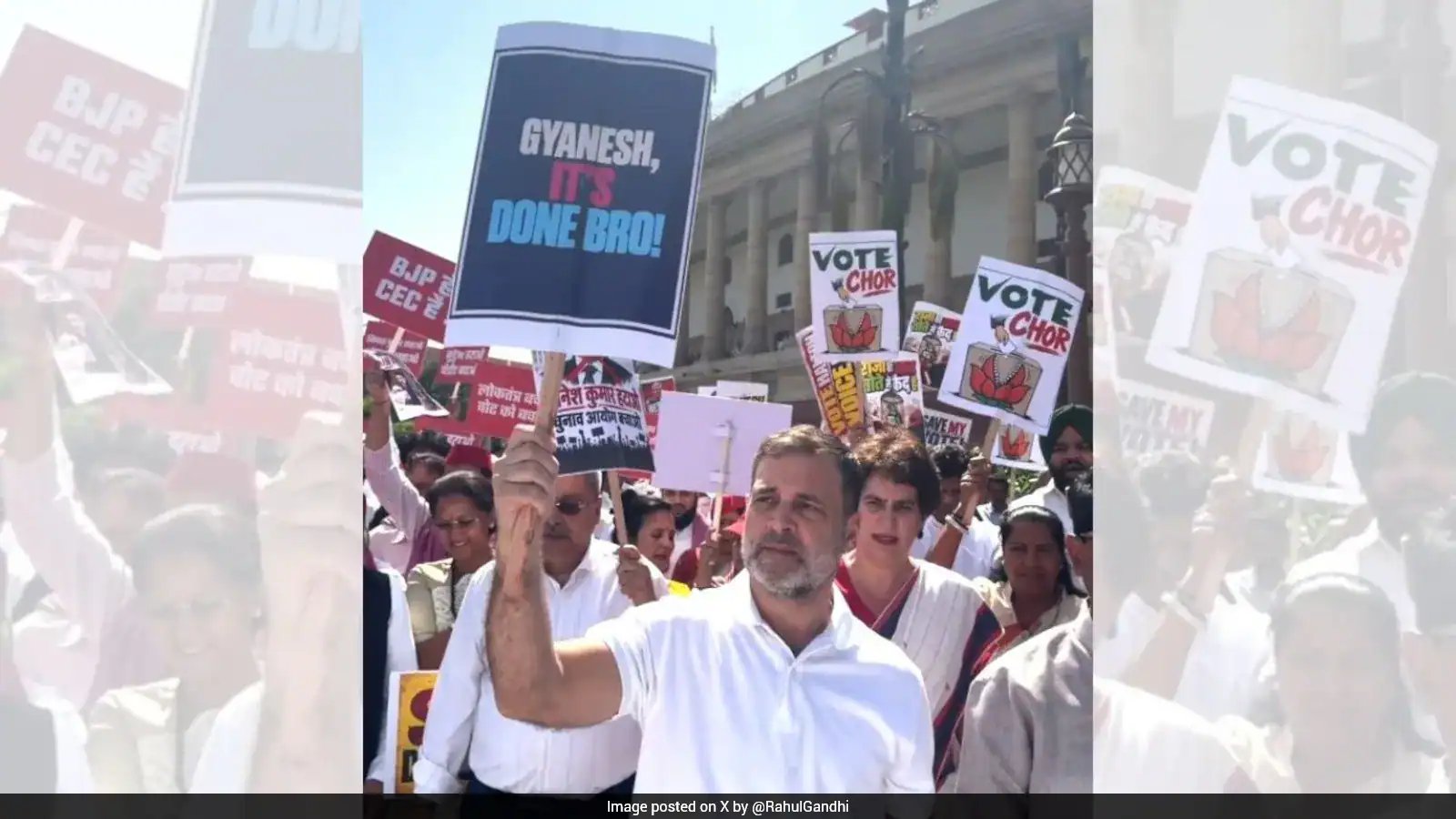
In a significant political development, the Biju Janata Dal (BJD), led by former Odisha Chief Minister Naveen Patnaik, aligned itself with the Opposition’s INDIA bloc on Tuesday to voice dissent against the current leadership of the Election Commission of India. The regional party’s participation in the anti-Election Commission demonstrations in the national capital marks a notable shift in the political landscape, signaling a convergence of interests between parties that have historically maintained varying degrees of independence from national coalitions.
The BJD deputed two of its senior leaders, Rajya Sabha MP Manas Mangraj and Sulata Deo, to join the protest march organized by Opposition leaders. The demonstrations, which saw a unified front against the central poll body, centered on the demand for the immediate resignation of Chief Election Commissioner (CEC) Gyanesh Kumar.
Mounting Pressure on the Poll Body
The protest march, which culminated in a demonstration outside the Election Commission office, served as a platform for the Opposition to express deep-seated grievances regarding the current oversight of electoral processes. For months, members of the INDIA bloc have alleged that the Election Commission has shown a lack of impartiality in its handling of key constitutional duties. By lending its support to the protest, the BJD has added considerable weight to these accusations, suggesting that the concerns over the neutrality of the Election Commission have transcended traditional regional boundaries.
While the BJD has historically navigated its own path in national politics, often choosing to support or oppose the ruling establishment on an issue-to-issue basis, its direct involvement in an INDIA bloc-led protest against the CEC indicates growing friction regarding institutional integrity.
Contention Over Electoral Rolls
Beyond the demand for the CEC’s resignation, the protesters raised serious concerns regarding the Special Intensive Revision (SIR) of electoral rolls currently underway. The Opposition leaders, now joined by BJD representatives, have argued that the current methodology employed during the SIR could lead to the disenfranchisement of voters and a lack of transparency in the preparation of voter lists.
“The integrity of our democratic process rests on the accuracy of the electoral rolls,” a protest participant noted during the march. “The current revision process is deeply flawed and appears to be designed to exclude segments of the electorate that are vital to a fair and free contest.”
The protesters are demanding an immediate withdrawal or a comprehensive review of the SIR process, insisting that the exercise be conducted with greater transparency and under the scrutiny of all stakeholders. The inclusion of the BJD in these demands signals that the Opposition intends to sustain pressure on the Commission as the country looks toward upcoming electoral cycles.
As the political temperature rises, all eyes remain on the Election Commission’s response to these coordinated protests. With major regional players joining the fray, the debate surrounding the neutrality of the poll body is set to dominate the parliamentary discourse in the coming days, leaving the Election Commission under the intense gaze of the public and the political class alike.
Disclaimer: This content is auto-generated for informational purposes only.
Source: Read Original News