








The Revival of Midnight Launch Culture
The retail landscape of the gaming industry has undergone a radical transformation over the past decade. The rise of digital distribution, pre-loading, and instant access has largely rendered the traditional midnight launch an obsolete practice. However, a recent announcement from Best Buy signals a strategic return to this heritage. In anticipation of the remake of The Legend of Zelda: Ocarina of Time for the Nintendo Switch 2, select retail locations across the United States will hold midnight opening events on November 5.
This decision serves as a bridge between the convenience of modern hardware and the tactile, community-focused experiences of the past. By facilitating a physical gathering at midnight Eastern Time, the retailer is tapping into a consumer desire for shared ritual—a stark contrast to the solitary experience of downloading a title at home. While the primary driver is the release of a seminal title in gaming history, the event also serves as a strategic move to manage inventory distribution for highly sought-after, limited-edition hardware.
Technical Specifications and Hardware Exclusivity
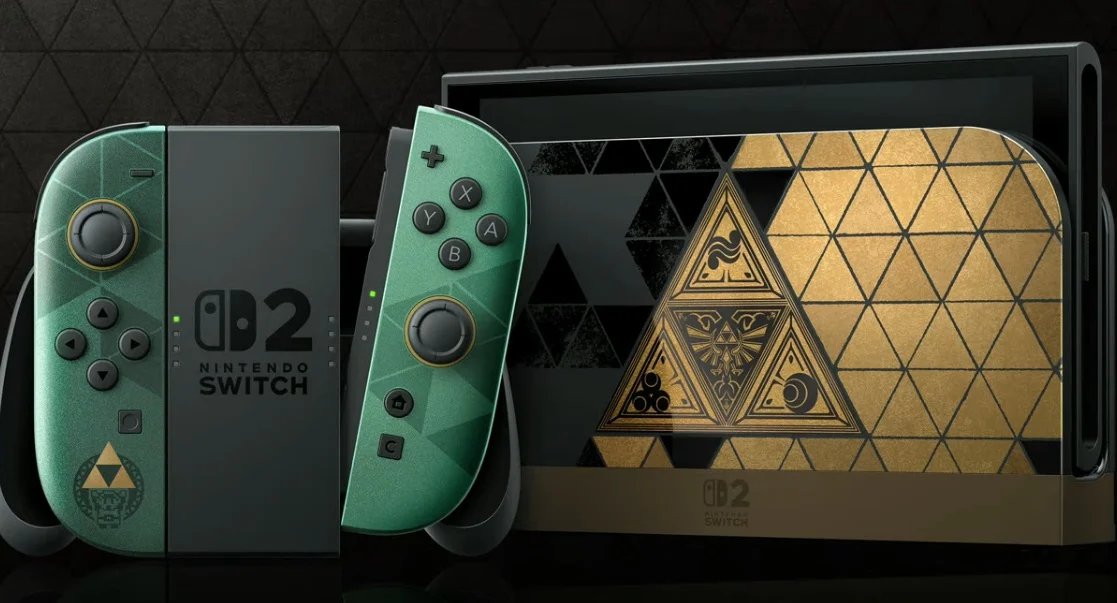
The excitement surrounding this launch extends well beyond the software. The focus of much of the industry attention is the 40th Anniversary Nintendo Switch 2 special edition system and its accompanying Pro Controller. From a hardware perspective, these units feature bespoke industrial design elements that pay homage to the Zelda franchise, distinguishing them from the standard console units currently available on the market.
These limited-edition units utilize the same internal processing architecture as the base Switch 2, including the improved mobile chipset capable of handling enhanced graphical fidelity and ray-tracing capabilities. However, the aesthetic customization—featuring custom shell engravings and thematic color palettes—has made them immediate targets for collectors. Given the previous depletion of online pre-order stock at major retailers, these midnight events represent a rare opportunity for consumers to secure units at the manufacturer’s suggested retail price, bypassing the secondary markets where such hardware often commands significant premiums.
The Significance of the Ocarina of Time Remake
The Legend of Zelda: Ocarina of Time is frequently cited as a foundational work in the action-adventure genre. The decision to select this specific title for a major retail launch event is deliberate. Modern game development has focused heavily on iterative sequels, but the remake of a classic title serves a different function: it updates legacy mechanics for contemporary hardware while preserving the original design intent.
Technically, the Switch 2 version of this remake utilizes the console’s advanced API support to introduce modernized lighting engines, higher texture resolution, and improved frame rate consistency that were impossible on the original N64 hardware. By bringing this title to the current platform, Nintendo is effectively inviting a new generation of players to experience a seminal chapter of software engineering while providing legacy users with a modernized iteration that leverages the current technological advantages of the Switch 2 ecosystem.
Inventory Management and Retail Strategy
For brick-and-mortar retailers, the logistics of these launches are complex. Inventory allocation is strictly controlled to ensure that a significant portion of the stock is reserved for walk-in customers at these midnight events. This strategy functions as a safeguard against automated bot-driven inventory depletion, which has become a persistent issue for online storefronts.
By requiring physical presence, the retailer ensures that the products are distributed to enthusiasts and individual consumers rather than mass-acquisition scripts. This model effectively limits the ability of resellers to monopolize the supply. Furthermore, the limited nature of the carrying case and other peripherals associated with the 40th anniversary release suggests that supply chain constraints remain a challenge for the manufacturer. Managing expectations through controlled, late-night retail events allows companies to maintain a degree of order in an otherwise chaotic market for high-demand consumer electronics.
Impact on Community and Gaming Culture
The shift toward a monocultural event, even on a localized scale, highlights a broader critique of contemporary consumer behavior. Digital-only consumption provides immense convenience, yet it reduces the interaction between gamers to online forums and social media streams. The organized gathering at a retail location serves as an infrequent point of convergence for a demographic that is otherwise geographically dispersed.
While these events may not reach the scale of historical console launches seen in the early 2000s, they perform a necessary function in establishing a tangible connection between the brand and the consumer. The decision to prioritize a legacy title for this revival suggests that the industry recognizes the value of nostalgia as a market driver. When consumers are willing to adjust their schedules to wait in line for a physical piece of hardware, it reaffirms the importance of physical media and retail experiences. As the industry continues to move toward cloud-based gaming and subscription models, these moments of physical engagement remain a distinct and vital component of the gaming ecosystem, serving to remind both the manufacturer and the consumer of the cultural significance inherent in these technological milestones.
Disclaimer: This content is auto-generated for informational purposes only.
Source: Read Original News