









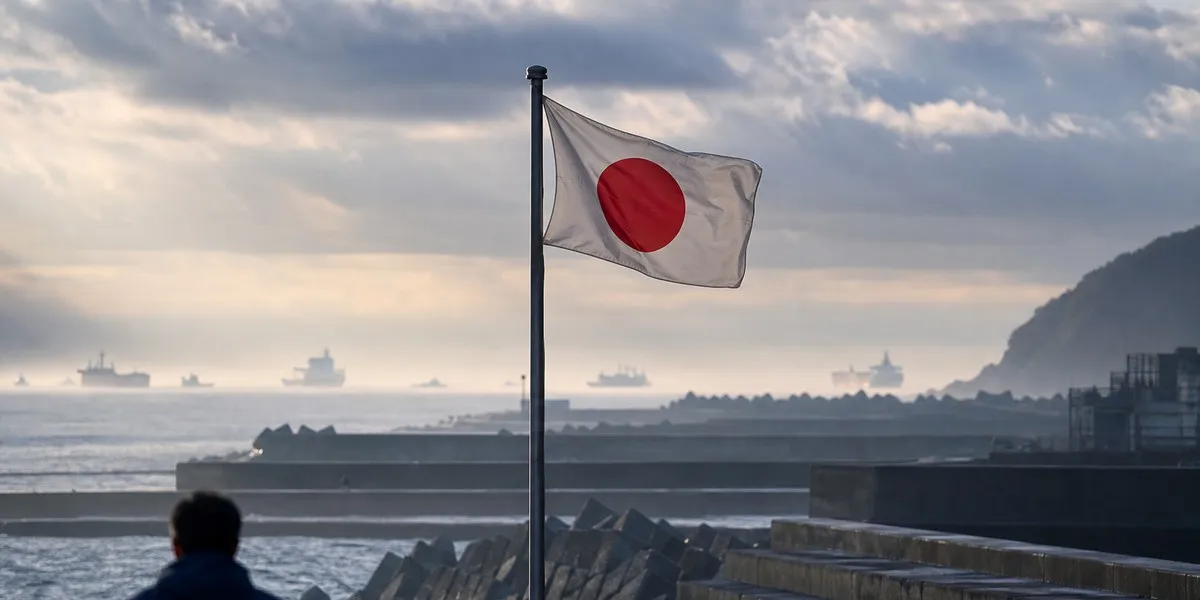
Former Japanese Prime Minister Fumio Kishida has characterized the current geopolitical climate as the most severe and complex security environment Japan has faced since the end of World War II. Speaking on the strategic shifts necessary to navigate these challenges, Kishida emphasized that Tokyo is actively bolstering its defense capabilities while remaining steadfast in its long-standing security alliance with the United States.
For Japan, the shift toward a more robust defense posture is framed as a necessity for protecting the lives and peaceful daily existence of its citizens. Kishida underscored that these measures remain strictly compliant with the nation’s constitution and international law, reaffirming that Japan continues to pursue an exclusively defensive approach. Despite the necessity of increased military preparedness, the former Prime Minister maintained that the country remains committed to its identity as a peaceful state.
A critical component of this evolving strategy is the deepening of partnerships with like-minded nations across the Indo-Pacific region. This network-based approach to security is designed to create a more resilient regional architecture. Kishida specifically pointed to the continuation and expansion of the Malabar exercises—a high-level naval maneuver involving Japan, India, and other key partners—as a vital indicator of this collaborative spirit. These drills are seen as essential for maintaining maritime stability and fostering operational synergy among nations concerned about the shifting balance of power in the Pacific.
Regional tensions remain high, particularly in the South China Sea, where China’s increasing activity has become a primary point of concern for Tokyo. Kishida noted that these developments are contributing to a more fragile security environment, requiring Japan to look beyond its own borders to ensure regional stability. By strengthening diplomatic and security ties, Japan aims to deter unilateral attempts to change the status quo by force.
Beyond pure defense, Kishida proposed that economic integration is a central pillar for future security and prosperity in South Asia. In his view, “interconnectedness” is the catalyst for growth. He articulated a vision for an industrial value chain that creates stronger, more efficient logistical and commercial links between India’s northeastern states and the Bay of Bengal region. By fostering these economic pathways, Japan hopes to create a more prosperous environment that discourages instability and promotes shared regional interests.
This dual-track strategy—combining strengthened defense cooperation with strategic economic integration—represents a shift in how Japan navigates its role in the Indo-Pacific. While the United States remains the cornerstone of Japanese security policy, the emphasis on multilateral partnerships, such as those with India, suggests that Tokyo is playing a more proactive role in shaping the regional order.
As Japan balances the realities of an increasingly contested international environment with its constitutional commitment to peace, the focus remains on maintaining a stable, rules-based order. Whether through naval exercises or the development of new industrial corridors, the goal for Japan is to ensure that the region remains open, secure, and economically viable for all participants. For Tokyo, the path forward is one of cautious diplomacy backed by a modern, capable defense, ensuring the country is prepared to meet the complexities of the 21st century.
Disclaimer: This content is auto-generated for informational purposes only.
Source: Read Original News