







A New Era of Leadership: The Ternus Transition
In a significant shift for the global technology landscape, Apple has officially transitioned to a new executive chapter. As of September 1, 2026, John Ternus has assumed the role of Chief Executive Officer, succeeding Tim Cook. This transition, which has been in development for several years, represents more than a mere change in the C-suite; it serves as a calculated evolution of the company’s internal structure. Tim Cook, now serving as Executive Chairman, recently discussed the philosophy behind this succession, emphasizing that the process was designed to be a definitive case study in corporate longevity and stability.
Cook’s approach to this departure was marked by a commitment to ensuring Apple’s operational continuity. By initiating the handover process years in advance, the leadership team sought to avoid the uncertainty that often accompanies high-profile management changes in the tech industry. According to Cook, the transition was designed to be a “textbook example,” ensuring that the cultural and operational ethos of the company remained intact while allowing for the natural progression of new leadership priorities. This deliberate strategy ensures that Apple’s core mission—the pursuit of design and technical excellence—remains the driving force behind its commercial activity.
Strategic Timing and the iPhone Duo
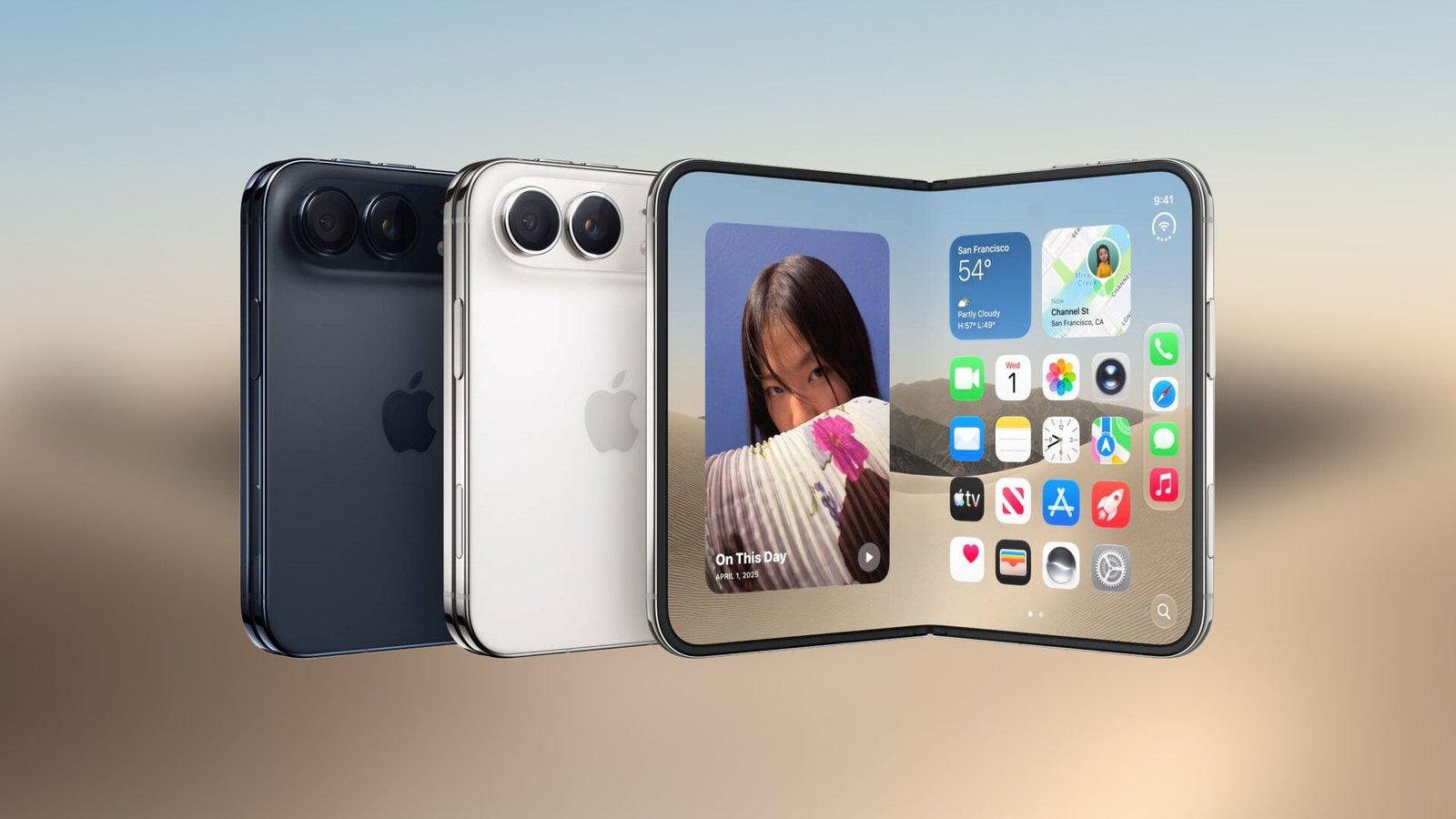
A key component of the transition strategy was the synchronization of the CEO handoff with the company’s hardware release cycle. John Ternus, formerly the head of hardware engineering, took the helm just days before the unveiling of the iPhone Duo, Apple’s highly anticipated foldable device. Tim Cook noted that he specifically timed his move to the Executive Chairman role to provide his successor with immediate momentum. By allowing Ternus to front the product cycle, Apple aimed to capitalize on the visibility of the new hardware launch to solidify the new CEO’s authority and demonstrate a seamless handover to stakeholders and consumers alike.
The iPhone Duo serves as a critical test for the new leadership. As a foldable device, it represents a departure from the static hardware paradigms of the previous decade, requiring a balance between mechanical durability and software integration. The decision to make this device the first major project under Ternus’s tenure as CEO signals a continued investment in high-end, category-defining consumer hardware. The emphasis on the product cycle as a source of “wind at his back” highlights the company’s reliance on technical innovation to drive market enthusiasm and institutional stability.
The Philosophy of Stewardship
When asked about the guidance provided to his successor, Tim Cook revealed a perspective rooted in his own experience succeeding Steve Jobs. Having navigated the challenge of replacing a transformative founder, Cook’s advice to Ternus was succinct: define the role independently. He encouraged Ternus to avoid the trap of imitation, noting that the most effective leaders contribute the highest value by leveraging their own unique strengths rather than mimicking their predecessors. This approach acknowledges that while the company maintains a consistent DNA, the requirements for effective management evolve alongside the technological landscape.
This philosophy of “making it your own” extends to how Ternus is expected to manage the company’s diverse divisions, ranging from services to hardware development. By focusing on his own expertise in hardware engineering, Ternus is positioned to oversee a company that is increasingly integrating complex software services with bespoke silicon architecture. This transition of power is not viewed as a pivot, but rather a maturation of the foundational principles that have defined Apple’s growth, balancing historical integrity with the requirements of future technical innovation.
Immersive Education and Social Responsibility
Beyond the boardroom, Apple continues to leverage its operational expertise for philanthropic initiatives, most notably through its new collaboration with The King’s Trust. The joint project is designed as an immersive education program, aimed at equipping young people with the skills necessary to pursue careers within the creative industries. This initiative reflects a broader trend among major technology firms to integrate their internal resources—specifically their creative workforce—into corporate social responsibility efforts rather than relying solely on capital contributions.
Tim Cook described this effort as a method for the company to “give back” in a way that is uniquely aligned with Apple’s internal talent. By providing mentorship from experts across the organization, the program aims to bridge the gap between education and practical application in professional design, audio engineering, and digital arts. This reflects an operational commitment to nurturing the next generation of creative talent, ensuring that the company’s impact extends beyond the hardware on store shelves to the people who utilize the underlying technology.
Innovation in Performance Spaces
The recent unveiling of the Apple Music Hall at the Battersea Power Station headquarters serves as a physical manifestation of Apple’s current focus on integrating technology with live performance. The venue is characterized by advanced spatial audio capabilities and a structural design that prioritizes acoustic precision. Cook highlighted the venue as a testament to the company’s commitment to live art, positioning it as a space that caters to both established artists and emerging talent.
From an engineering perspective, the Music Hall incorporates the same rigorous detail found in Apple’s device manufacturing. The design process involved careful consideration of architectural acoustics, signal processing, and material science, all directed toward the goal of elevating the experience of live performance. By investing in this infrastructure, Apple is signaling that it views its role as a steward of creative expression, utilizing its technical expertise to influence the future of how music is produced, shared, and experienced by a live audience. This project underlines the company’s trajectory: a focus on building systems—whether they are mobile devices, spatial audio environments, or educational frameworks—that enhance the connection between technology and the creative process.
Disclaimer: This content is auto-generated for informational purposes only.
Source: Read Original News