







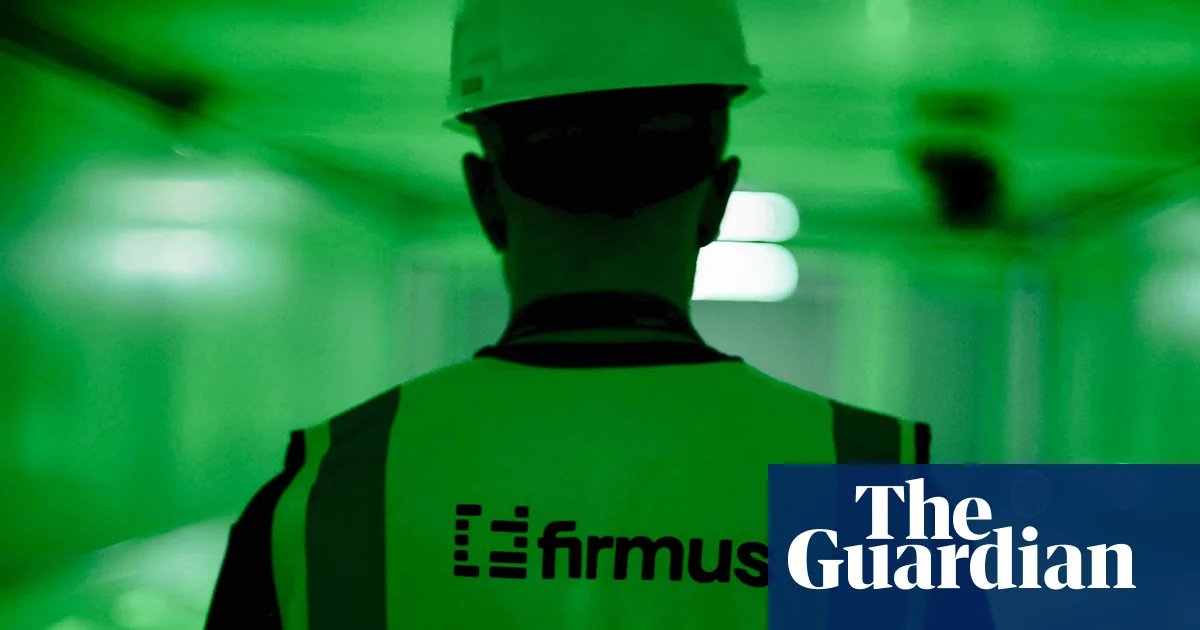
Firmus Technologies has officially scrapped its highly anticipated ASX listing, abandoning what was set to be the largest company float in Australia since Telstra in 1997. The decision, announced Friday morning, follows a wave of investor indifference that left the AI datacentre firm unable to secure the necessary backing for its ambitious $44 billion valuation.
A company spokesperson confirmed that the board determined the initial public offering (IPO) was “no longer in the best interests of the company and its shareholders.” Instead, Firmus will pivot back to private markets to sustain its funding requirements, noting that it will explore “alternative public and private market options” as the situation evolves.
The collapse of the float marks a dramatic reversal for a company that had initially hoped to raise $7 billion by selling shares on 23 October. Despite high-profile backing from chip giant Nvidia and major Wall Street firms such as Blackstone, Jane Street, and Coatue, the “AI factory” narrative failed to convince the broader investment community.
Scepticism had been building for weeks regarding the startup’s lofty valuation. With only two small operational sites currently online, many market analysts argued that the company’s projected earnings were based on unproven growth potential rather than tangible performance. The polished marketing push began to unravel mid-week when it became clear that the firm’s five lead brokers had significantly overestimated market appetite.
Concerns were also raised by industry observers that the float was primarily designed as an “exit strategy” for early backers, potentially leaving retail investors exposed to significant losses should the hype surrounding AI infrastructure suddenly evaporate. The fallout from the failed listing has already triggered volatility elsewhere; shares in Firmus investor Maas Group plummeted by more than 20% on Thursday as market confidence wavered.
The failed listing also represents a significant blow to the personal financial trajectory of the company’s founders: Oliver Curtis, who was previously imprisoned for insider trading, along with his cousin Tim Rosenfield and former brother-in-law Jonathan Levee. The trio had been looking to crystallise the massive theoretical value of their holdings through the public listing.
For now, Firmus must retreat to the private sector to fund its plans to build high-capacity, liquid-cooled “AI factories” across Australia and Asia. While the company maintains that it will provide further updates to its shareholders, the failed IPO serves as a stark reminder of the cooling sentiment toward speculative AI ventures that lack the operational scale to match their massive, headline-grabbing valuations. The market’s refusal to participate in the Firmus float suggests that, even in the midst of an AI boom, investors are becoming increasingly discerning about the risks associated with high-growth startups.
Disclaimer: This content is auto-generated for informational purposes only.
Source: Read Original News