









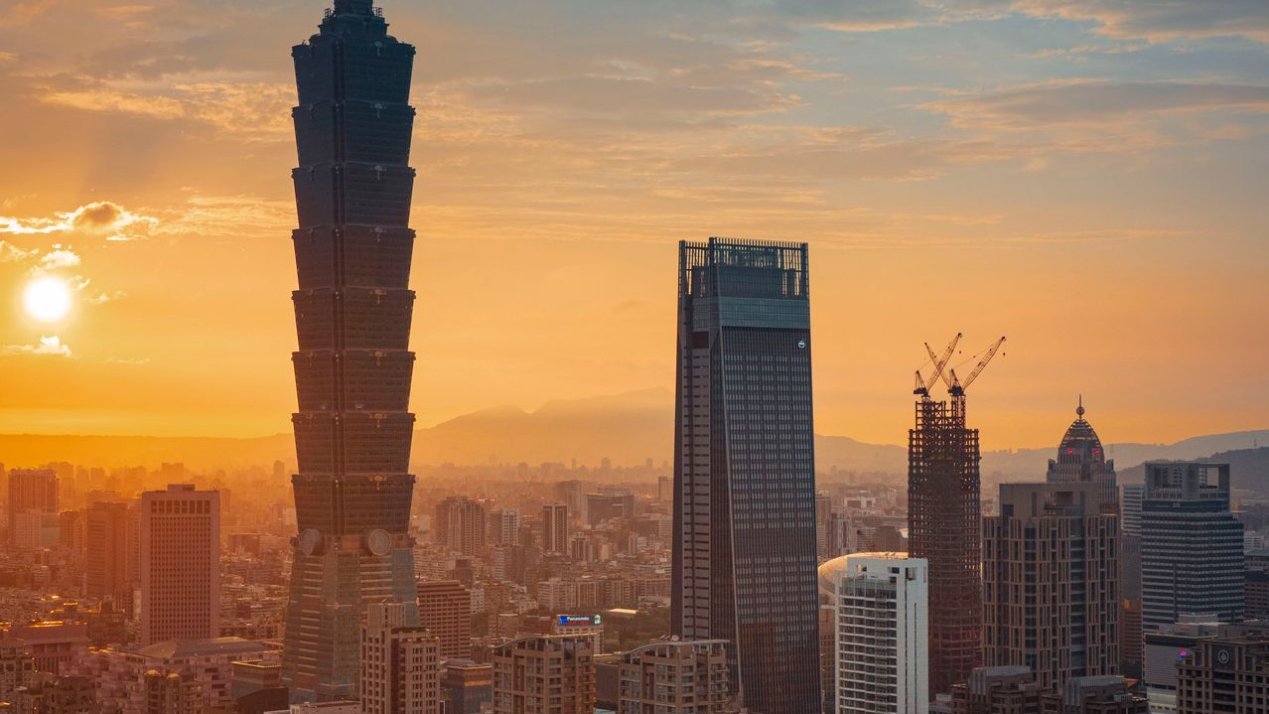
Taiwan has cemented its status as a critical pillar of Mexico’s industrial economy, ascending to become the nation’s third-largest trading partner in 2025. With bilateral trade reaching a historic milestone of US$48.2 billion, the partnership is being fundamentally reshaped by the global race for artificial intelligence infrastructure and the modernization of advanced manufacturing supply chains.
The surge in trade is anchored by Taiwan’s dominance in high-tech hardware. As the source of 92% of the world’s most sophisticated semiconductors and over 90% of the servers driving the AI revolution, Taiwan serves as the primary engine for the digital infrastructure being deployed across North America. This symbiotic relationship has manifested in the establishment of approximately 300 Taiwanese-owned operations throughout Mexico, currently supporting more than 70,000 direct jobs.
## AI Infrastructure and the Evolution of Manufacturing
The impact of AI is expanding well beyond the production of chips and server racks. Mexican industrial hubs are increasingly becoming integrated into the full lifecycle of high-tech production. According to Violeta S. H. Hsu, head of the Taipei Economic and Cultural Office in Mexico, this industrial presence is not merely about assembly; it is an active contribution to the federal “Plan México” strategy, which seeks to bolster domestic technological capabilities.
This evolution is changing how manufacturers view their capital investments. Industry leaders are shifting away from simple equipment procurement toward a service-oriented model. Companies are now prioritizing long-term equipment availability, predictive maintenance, and data analytics. By integrating sensors and AI-driven monitoring platforms, Mexican factories are boosting their productivity and shifting toward a “total operating cost” mindset rather than focusing solely on initial machinery price tags.
## Strengthening the Value Chain
A major focus for the coming years is the transition from high-volume assembly to higher-value technical activities. While Mexico has long been a destination for electronics manufacturing, the current goal is to deepen its involvement in engineering design, quality testing, and sophisticated product validation.
“The goal is to move toward a model where Mexico does not only assemble, but also participates in design and high value-added electronics manufacturing services,” industry experts noted. This transition is being supported by strategic partnerships, such as those between the state of Chihuahua and Taiwan’s Industrial Technology Research Institute, which are training a new generation of Mexican engineers in semiconductor technology and advanced robotics. By fostering this specialized talent pool, Mexico is better positioned to serve as a high-tech node for North American markets, ensuring that local suppliers are capable of meeting the rigorous standards required by the global electronics sector.
## Regional Integration and Future Outlook
The recent 24-company Taiwanese trade mission to Mexico highlights the breadth of this ongoing cooperation, spanning sectors from automotive components and electric motorcycles to precision machinery. This diversification indicates that the partnership is moving toward a more comprehensive industrial ecosystem.
For investors, the opportunity lies in building the local infrastructure necessary to support these high-tech systems—including regional maintenance centers, software integration hubs, and specialized engineering firms. As global supply chains face ongoing geopolitical shifts, the alliance between Mexico and Taiwan represents a pragmatic strategy to secure reliable access to AI hardware and industrial technology.
By continuing to align workforce development with the specific needs of Taiwanese manufacturers, Mexico is moving closer to becoming a hub not just for regional manufacturing, but for the complex, high-value components that define the modern AI era. This cooperation promises to keep both nations at the forefront of the global electronics supply chain, bridging the gap between cutting-edge R&D and large-scale industrial output.
Disclaimer: This content is auto-generated for informational purposes only.
Source: Read Original News