









UVM Secures Record $38 Million Contract for AI-Driven Healthcare Innovation
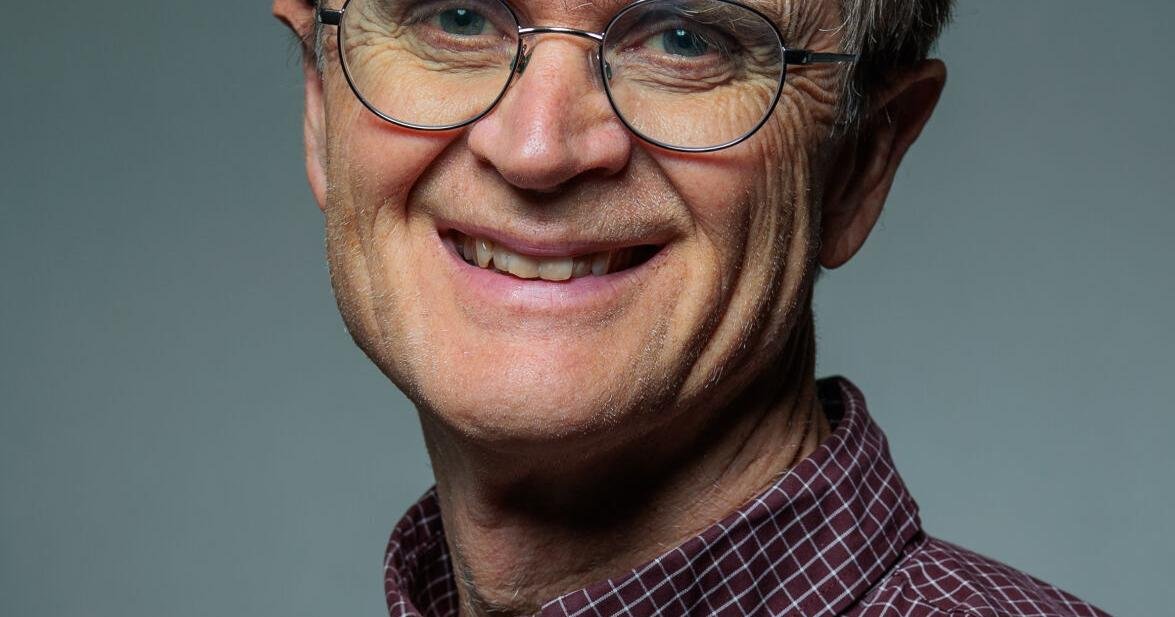
The University of Vermont (UVM) has landed the largest research contract in its history, a milestone that positions the institution at the forefront of the intersection between artificial intelligence and critical care medicine. Dr. Gary An, a trauma surgeon and researcher at UVM’s Larner College of Medicine, has been awarded a federal contract worth up to $38 million to spearhead the development of “digital twins” powered by AI.
The initiative, titled ReSCUED (Reprogramming Severe Critical Illness Using Extensible Digital Twins), aims to revolutionize how clinicians treat patients suffering from life-threatening conditions like sepsis, severe burns, and major trauma. By creating a mathematical replica of a patient’s physiological processes, the team plans to use real-time data to predict immune system responses and guide personalized treatment strategies. The five-year project is being funded through the Advanced Research Projects Agency for Health (ARPA-H), a branch of the U.S. Department of Health and Human Services. The research will pull data from multiple major academic medical centers and integrate specialized technology from private-sector partners in Massachusetts and California.
Vermont Business Leaders Embrace AI and Digital Transformation
While UVM focuses on the medical applications of AI, the private sector in Vermont is also rapidly integrating advanced technology into its administrative and operational workflows. NorthCountry Federal Credit Union recently announced a major restructuring of its executive leadership, highlighting a deliberate shift toward digital innovation and data intelligence. As part of this transition, current Chief Information Officer Nik Khosla will see his role expanded to place a greater emphasis on information security and advanced data analytics.
Simultaneously, the Vermont Economic Development Authority (VEDA) has bolstered its leadership team with the appointment of Brent Hazzard to its Board of Directors. Hazzard, who brings significant experience from the commercial banking sector, currently serves as a strategic advisor to Citizens Financial Group, where he focuses specifically on how artificial intelligence can be utilized to drive revenue, optimize efficiency, and improve capital allocation processes.
Technology Reshapes Regional Infrastructure and Services
The integration of tech is also impacting how organizations reach their constituents and maintain service standards. In the legal sector, the Burlington-based law firm Dinse P.C. has launched a new affiliate, Dinse Government Affairs LLC, to navigate the increasingly complex intersection of environmental, energy, and digital policy.
Even traditional industries are leveraging new tools to solve long-standing operational hurdles. For example, Mountain Orthotic and Prosthetic Services is expanding its reach with a new office in South Burlington, where it provides high-tech adaptive equipment and customized mobility solutions. Meanwhile, Killington Resort has begun testing sophisticated snowmaking technology, utilizing new fan-gun systems in geographically challenging terrain to improve operational coverage ahead of the winter season.
These updates reflect a broader trend across the state, where academic, financial, and service-based organizations are increasingly relying on specialized tech stacks and AI-driven insights to remain competitive. Whether it is through the multi-million dollar research of the Larner College of Medicine or the strategic digital focus of local credit unions, Vermont’s institutions are signaling a commitment to modernization that mirrors the rapid evolution of the global tech landscape. As these initiatives move from development to implementation, they are expected to yield not only economic growth but significant advancements in public health and operational efficiency.
Disclaimer: This content is auto-generated for informational purposes only.
Source: Read Original News