







Strategic Shifts in GPU Silicon Allocation
The landscape of high-performance computing is undergoing a significant transition as reports emerge regarding NVIDIA’s redirection of its flagship GB202 silicon. Industry analysts and supply chain observers note that the company appears to be limiting the allocation of these high-end Blackwell-based chips away from the consumer-grade GeForce RTX 5090 and toward its professional-tier RTX Pro product line. The GB202, representing the most robust architecture in the Blackwell series, is highly sought after for both its massive compute potential and its high memory throughput, making it a critical asset for data centers and professional workstations.
The decision to prioritize the RTX Pro 6000 and the recently announced RTX Pro 5500 suggests a shift in focus toward the enterprise sector, where profit margins are substantially higher. While the RTX 5090 offered enthusiasts access to unprecedented gaming performance, the professional cards provide features such as 96 GB and 84 GB of GDDR7 memory, respectively, catering to the specific needs of large-scale AI modeling and complex scientific simulations. By moving the GB202 supply exclusively to these professional lines, NVIDIA is signaling a move to capture the high-end AI research market, which requires persistent, reliable hardware with massive memory capacity.
Impact on the RTX 5090 and Consumer Availability
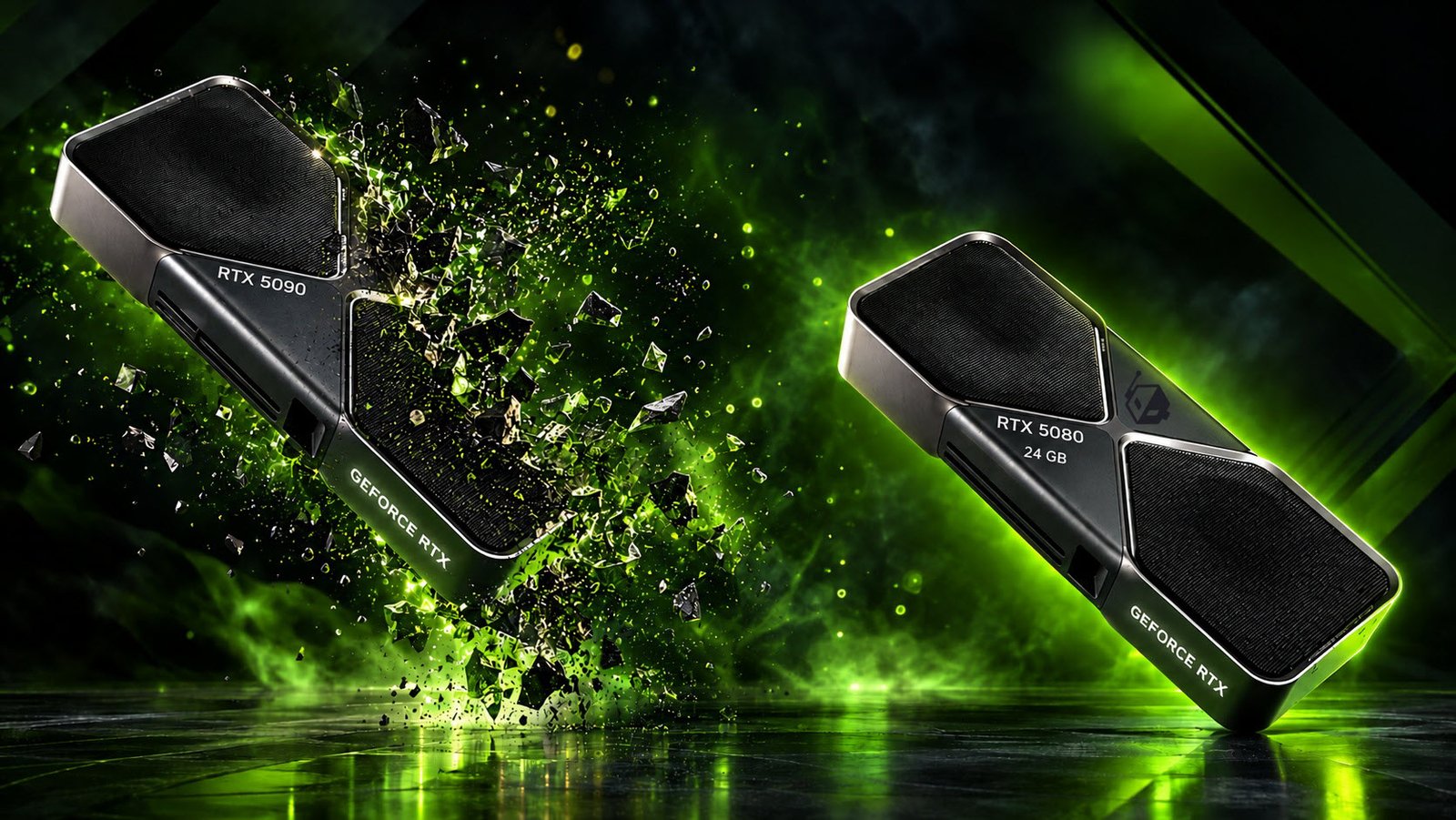
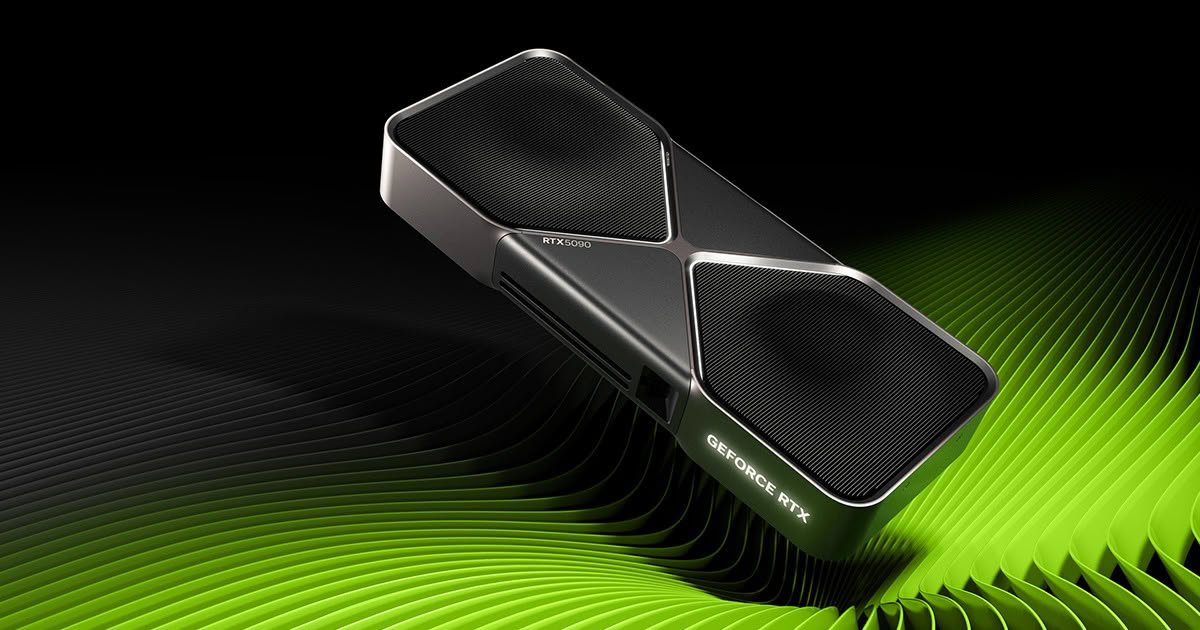
For the consumer market, these reports point toward an effective end-of-life cycle for the RTX 5090, or at the very least, a severe constriction of inventory. Since its release, the card has faced extreme demand, driven both by gaming enthusiasts and by AI entities that have sought to acquire the hardware in bulk to bypass the higher costs of enterprise-grade compute platforms. This supply-demand imbalance has already resulted in significant market volatility, with prices in European and North American retail channels climbing well beyond the original launch MSRP of $1,999.
As existing stocks held by board partners dwindle, the availability of new units will likely drop precipitously. Because the card utilized a high-bin variant of the GB202, its production was already complex and inherently limited. If NVIDIA is indeed halting the supply of these chips to consumer manufacturers, the secondary market can expect a sustained period of scarcity, leading to even higher prices for units that remain in distribution channels. The transition away from the RTX 5090 suggests that for those who do not currently own the hardware, securing a new unit at a reasonable price point may become an impossibility as the focus shifts toward more available, though less powerful, alternatives.
The Rise of the RTX 5080 24 GB Variant
Amidst the news of the RTX 5090’s decline, reports indicate that the RTX 5080 with 24 GB of GDDR7 memory is poised to become the new ceiling for the GeForce lineup. This model is expected to replace the existing 16 GB version, effectively positioning the RTX 5080 as the successor to the top-tier throne for the consumer gaming demographic. This transition mirrors previous strategies where NVIDIA bolstered a lower-tier architecture—in this case, the GB203—with higher memory configurations to maintain performance relevance.
The potential introduction of a 24 GB RTX 5080 aligns with earlier rumors of a Super-branded refresh that had been delayed due to the high costs associated with GDDR7 memory production. By consolidating the enthusiast tier into a single, high-memory 5080 SKU, NVIDIA can simplify its manufacturing output while still providing a card capable of handling demanding modern gaming workloads and creative tasks. This move effectively closes the gap between the mid-range and the extreme-high-end, providing a more sustainable volume of high-performance hardware to the gaming community compared to the resource-intensive GB202 chips.
Architectural Implications and Future Roadmaps
The broader implication of this reallocation is a delay in the release cycle of next-generation gaming hardware. With the GeForce RTX 60-series rumored to be pushed to a 2028 release window, the current Blackwell-based lineup will have to serve as the industry standard for a longer duration than originally anticipated. By focusing on the 24 GB RTX 5080 and the professional RTX Pro series, NVIDIA is ensuring that its current generation remains competitive throughout this extended lifespan.
The hardware architecture itself remains a marvel of efficiency, despite the supply chain constraints. The GB202’s ability to scale across both the 24,064 CUDA cores found in the RTX Pro 6000 and the scaled-down versions in other cards demonstrates the versatility of the Blackwell design. However, the constraints on memory production and silicon manufacturing dictate that NVIDIA must remain selective in which products reach the general market. The prioritization of professional units indicates that the company perceives the AI workstation segment as the primary growth engine for its high-end silicon.
Final Considerations for Enthusiasts
For the end user, this news marks a definitive transition period for the desktop gaming segment. The era of the readily available, top-tier flagship card appears to be giving way to a more controlled, enterprise-focused distribution model. Consumers looking to upgrade to peak hardware performance in the coming years will likely need to adjust their expectations toward the revised 5080 series rather than the now-fading 5090. As the market moves forward, the availability and performance of the 24 GB RTX 5080 will determine the experience for high-end users, effectively resetting the benchmark for what is considered attainable in the enthusiast GPU space.
Disclaimer: This content is auto-generated for informational purposes only.
Source: Read Original News