







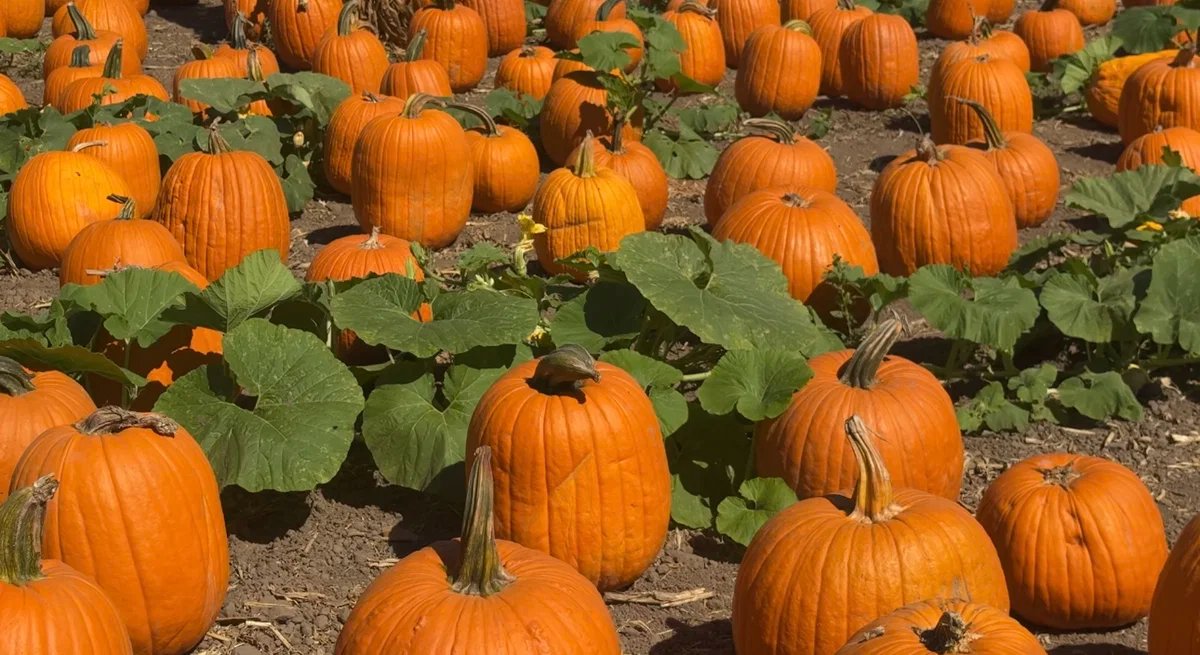
SANTA BARBARA, Calif. — As October progresses, the familiar sight of families wandering through pumpkin patches has hit a seasonal snag at Santa Barbara’s iconic Lane Farms. While Halloween festivities are typically in full swing, business owners are reporting a slower-than-average start to the season, citing a combination of unseasonable heat and shifting consumer behaviors.
However, the challenges facing local agribusinesses are increasingly mirrored in the broader tech landscape. Just as farmers are learning to navigate unpredictable climate patterns, businesses of all sizes are looking to modern digital infrastructure to predict foot traffic and optimize visitor experiences.
## The Digital Shift in Seasonal Planning
For small businesses like Lane Farms, managing the ebb and flow of seasonal customers has moved far beyond simple word-of-mouth. Today, visibility on platforms like Google Maps is the primary determinant of whether a family chooses one pumpkin patch over another.
Local businesses are increasingly leveraging Google Business Profile updates to provide real-time information. During volatile weather weeks—where a heatwave might keep families indoors during the afternoon—business owners are using Google’s suite of tools to post instant updates regarding altered hours or special evening events when temperatures drop. This digital responsiveness is becoming a necessity as consumer expectations for real-time data rise.
## AI and Predictive Analytics in Retail
The struggle with fluctuating visitor numbers is a classic supply-and-demand problem, one that the tech industry is attempting to solve through artificial intelligence. While a farmer cannot force the weather to turn cool, AI-driven predictive modeling is becoming an essential tool for retail and agricultural tourism.
Tech giants, including Google, have been integrating more robust predictive analytics into their cloud services, allowing businesses to analyze historical foot traffic data alongside weather patterns. By using machine learning models, managers can better anticipate how a sudden heatwave might impact demand for certain goods, such as pre-picked pumpkins versus field-experience tours. This allows for better resource allocation, ensuring that staffing levels match the reality of the day rather than relying on outdated calendar-based assumptions.
## Enhancing the Customer Journey
Beyond just tracking the weather, the intersection of tech and tradition is changing how visitors interact with local landmarks. Google’s recent updates to its Search and Maps platforms, including the introduction of “Immersive View” and enhanced visual search capabilities, are changing how families decide where to spend their weekend.
When parents search for “pumpkin patches near me,” they aren’t just looking for an address anymore; they are looking for visual proof of an atmosphere. High-resolution imagery and user-generated content integrated into Google’s search ecosystem play a massive role in setting expectations. For Lane Farms, maintaining an active digital presence has become as important as maintaining the vines themselves.
As the industry navigates a year defined by environmental instability, the role of tech remains clear: it provides the connective tissue between a business that relies on the earth and a consumer who relies on their smartphone. While the heat may have dampened spirits in Santa Barbara this week, the integration of smart data and digital visibility ensures that local businesses remain agile, allowing them to pivot their strategy when the weather refuses to cooperate.
As we look toward the final stretch of October, the hope is that as temperatures begin to dip, the digital breadcrumbs left by local farms will guide a resurgence of visitors. In this modern era, the success of a harvest is determined not just by the rain and sun, but by how effectively a business can leverage the digital landscape to stay relevant in an ever-changing world.
Disclaimer: This content is auto-generated for informational purposes only.
Source: Read Original News