








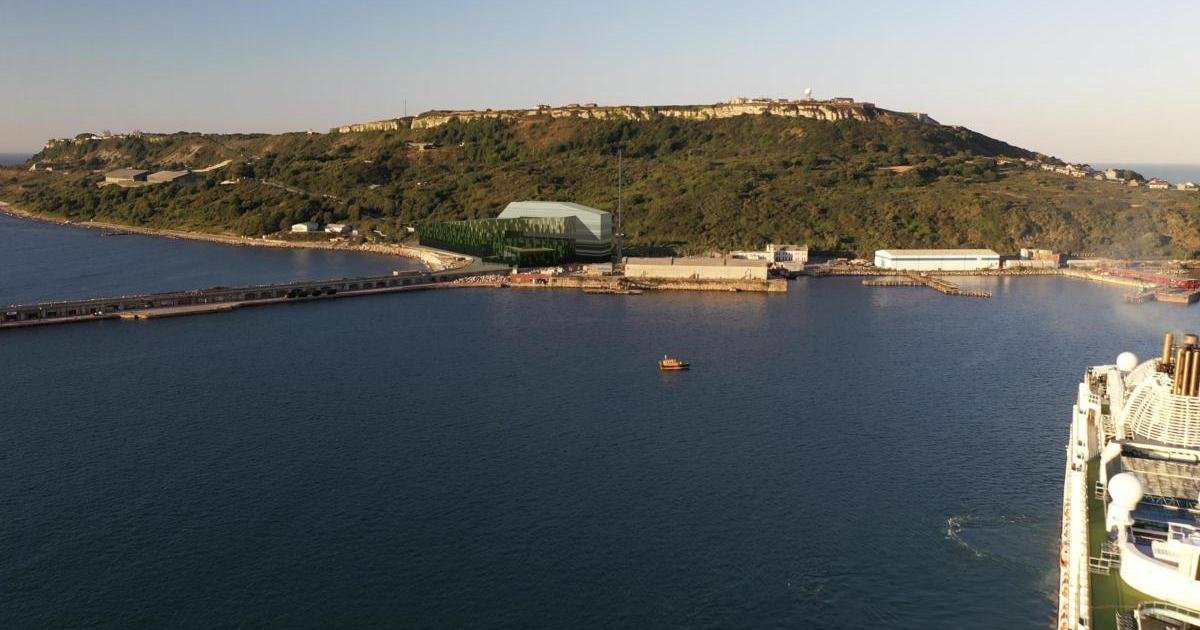
The controversial Portland incinerator project has reached a new regulatory milestone, as the Environment Agency (EA) approved a permit variation allowing a wider range of waste types to be processed at the proposed facility.
The decision marks a significant development for Powerfuel Portland, the group behind the £150 million Energy Recovery Facility (ERF). The project has spent years navigating a complex series of planning, legal, and environmental permitting hurdles. While the UK government granted initial planning permission, the EA issued the project’s original environmental permit in 2025. This latest ruling specifically authorizes the operator to expand the categories of residual waste handled at the site.
Powerfuel Portland has hailed the decision as a validation of the project’s safety and technical viability. Director Giles Frampton stated that the EA’s approval followed a “robust assessment” of the updated waste proposals.
“This is another positive step forward for a project that will deliver significant private-sector investment and employment opportunities to Portland,” Frampton said. He added that the company is currently in detailed discussions with several construction firms, including those based within Dorset, and is maintaining its target for the facility to become operational by 2030.
According to the developer, the facility is designed to process up to 202,000 tonnes of residual waste annually, converting it into approximately 15MW of electricity—enough to power thousands of homes. Powerfuel has consistently argued that the ERF will strengthen Dorset’s regional energy security and offer a more sustainable alternative to the current practice of transporting waste outside the county or sending it to landfill.
The company also confirmed it has secured “Heads of Terms” agreements for the supply of waste, a necessary step in solidifying the facility’s business model ahead of the construction phase.
Despite these advancements, the project remains a flashpoint for local opposition. The EA’s decision comes after months of public consultation, during which residents, environmental campaigners, and local political leaders raised concerns regarding air quality, traffic, and the long-term environmental impact of incineration. Critics have expressed continued apprehension about the facility’s proximity to local populations and the potential for the plant to discourage recycling efforts.
Responding to the ongoing pushback, Mr. Frampton encouraged members of the public to consult the technical reports authored by independent specialists commissioned for the project.
“The project has been subject to extensive assessment, both through the planning process where the decision was made by the Secretary of State and in the permitting process where the Environment Agency has, on two occasions, confirmed the project is acceptable,” Frampton noted. “These reports confirm that the project will provide a safe and environmentally responsible facility that will enable Dorset to manage its own residual waste volumes.”
As Powerfuel moves toward the next phase of construction procurement, the project continues to be a subject of intense debate regarding the role of incineration in the UK’s transition to a circular economy and the balance between regional infrastructure development and local environmental concerns.
Disclaimer: This content is auto-generated for informational purposes only.
Source: Read Original News