







A federal court has overturned a rare protection order that effectively blocked the development of the controversial McPhillamys goldmine in the central west of New South Wales. The ruling, handed down by Justice James Stellios on Wednesday, invalidates a decision made in 2024 by former environment minister Tanya Plibersek to issue a protection order under Section 10 of the Aboriginal and Torres Strait Islander Heritage Protection Act.
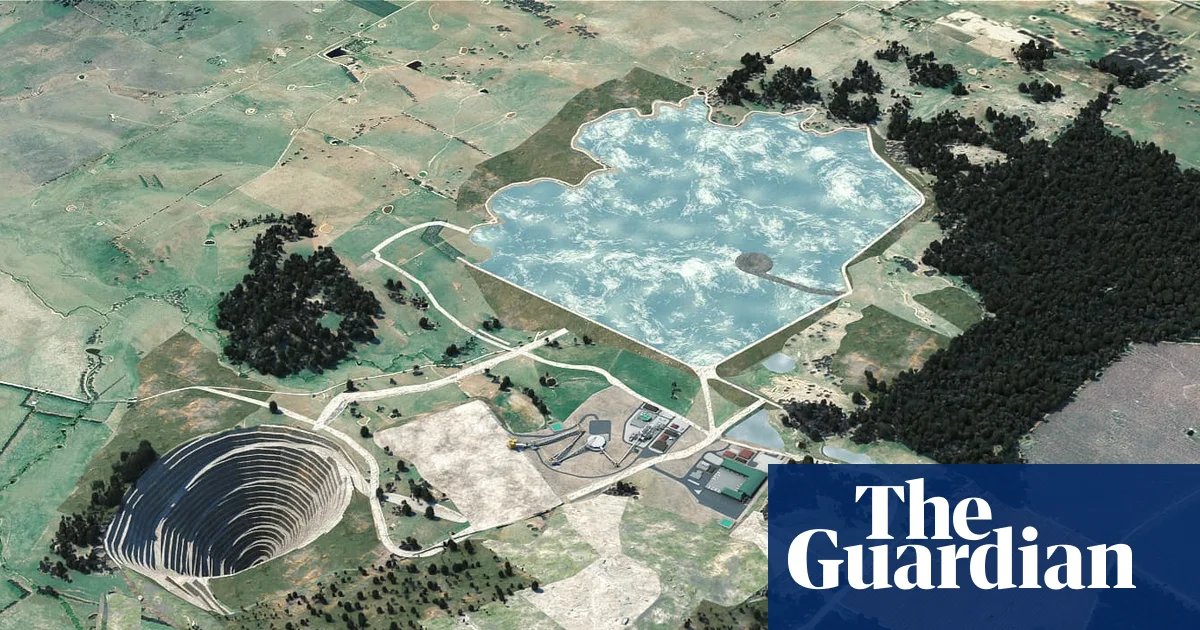
The legal challenge was brought by mining company Regis Resources, which argued that the declaration—intended to safeguard the headwaters and springs of the Belubula River—rendered their project at Blayney unviable. While the protection order did not cover the entire mining site, it specifically barred the construction of a tailings dam in an area the Wiradyuri Traditional Owners Central West Aboriginal Corporation identifies as a site of profound spiritual significance, central to regional creation stories.
Justice Stellios ruled that the protection order was legally invalid. However, he emphasized that the court’s decision was procedural and did not pass judgment on the merits of the Indigenous heritage claims themselves. “The court’s decision and his reasons say nothing about the merits of the claim—whether it’s a significant area or under threat of injury or desecration,” the judge noted, clarifying that such assessments remain the sole purview of the minister rather than the court.
The hearing, which took place over three days last year, focused on the processes followed by the federal government prior to issuing the order. Regis Resources’ legal team, led by Perry Herzfeld SC, contended that the company had been denied procedural fairness. Specifically, the company argued that a “blue-banded bee” Dreaming story—a narrative that proved instrumental to the government’s decision to protect the site—was not introduced into the process until two years after the initial application for the protection order had been filed.
Regis Resources managing director Jim Beyer welcomed the verdict, describing it as a “significant and welcome step forward” for the company. “The judgment finding that the Section 10 Declaration is legally invalid vindicates the position we have held since the Declaration was made in August 2024,” Beyer said. The company now expects the current environment minister, Murray Watt, to be required to re-evaluate the application, taking into account the findings established in Justice Stellios’s forthcoming written judgment.
Despite the court victory, Regis Resources signaled that it is not solely banking on a favorable outcome from a ministerial redetermination. The company stated it is actively pursuing an alternative development approach—an “Integrated Waste Landform”—that would involve the co-disposal of filtered processed ore and waste rock into a single facility, a configuration it claims would entirely avoid the area impacted by the overturned declaration.
The project, which has been mired in two years of delay and uncertainty, remains one of the largest undeveloped gold deposits in Australia. The company maintains that the mine has the potential to deliver substantial economic and social benefits to the central New South Wales region.
The federal government has yet to provide a formal response to the ruling, and requests for comment from Minister Watt were pending at the time of writing. The full reasons for the court’s decision are expected to be published on Friday, which will provide further clarity on the legal pathways open to both the government and the developer.
Disclaimer: This content is auto-generated for informational purposes only.
Source: Read Original News