









Modernizing the Infrastructure Edge
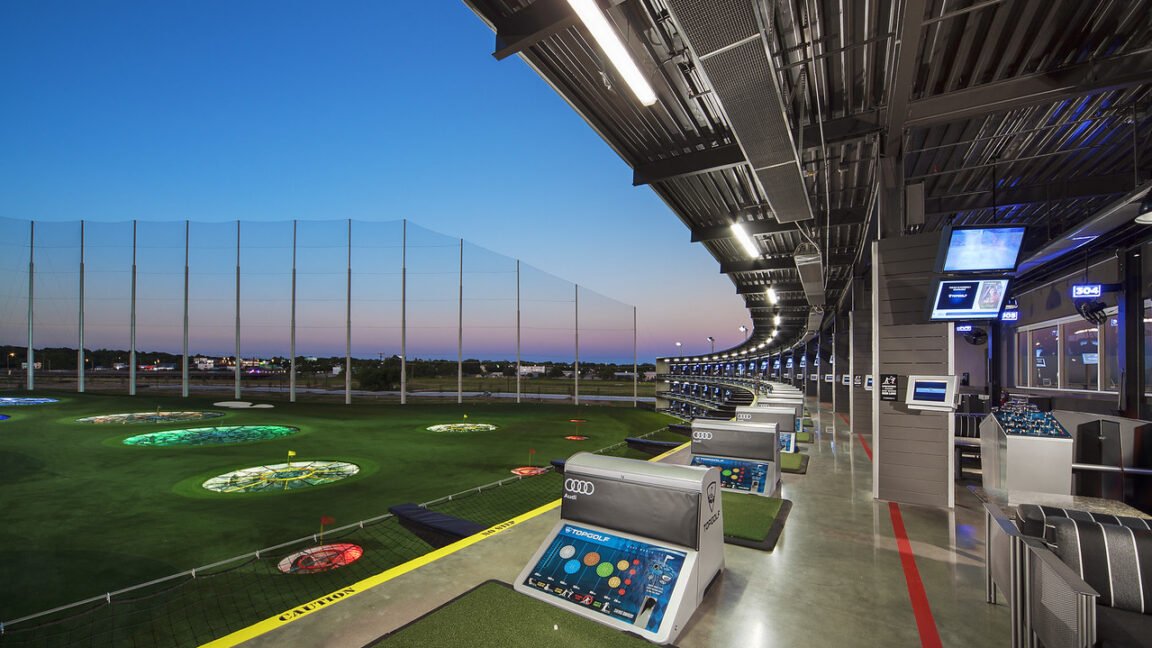
Topgolf has long functioned as a high-tech entertainment venue, but the underlying IT requirements to power its gamified driving ranges are immense. At a typical 102-bay venue, the infrastructure must manage massive amounts of data flowing from high-speed cameras. This setup generates approximately 40 terabytes of network data daily, placing significant strain on traditional virtualization architectures. To maintain seamless operation, Topgolf recently undertook a major shift in its infrastructure strategy, moving away from legacy VMware setups in favor of VergeOS.
The decision to migrate was driven by the need for better latency management and more efficient traffic pathing. By adopting a solution that could distribute network load across nodes in a cluster more effectively, Topgolf gained the capability to handle high-bandwidth camera feeds without performance degradation. This migration represents a broader trend of enterprise organizations re-evaluating their virtualization stacks to find better alignment with edge computing requirements.
The Role of Automation and API-First Design
One of the primary hurdles for any large-scale infrastructure migration is the potential need to abandon established operational workflows. For Topgolf, the requirement was to transition to a new platform without discarding existing infrastructure-as-code (IaC) investments. VergeOS provided an API-first framework that allowed the engineering team to maintain its existing processes while transitioning to a different backend.
By collaborating closely with the VergeIO team, Topgolf developers successfully built support for Terraform and Ansible during the early stages of the migration. This was critical for preserving the automation workflows the team had already perfected. Because the new platform was built with an API-first philosophy, Topgolf could treat the virtualized resources as programmable entities, which is essential for managing a distributed network of venues. This flexibility ensured that the move did not necessitate a total rebuild of their deployment pipeline, saving countless hours in operational restructuring.
Consolidating the Gaming Stack
The migration involved far more than simply swapping out a hypervisor. It was a complete overhaul of how gaming data is processed and delivered at the edge. Previously, Topgolf’s gaming operations relied on a centralized server stack, specifically utilizing VxRail systems. The transition to VergeOS allowed the organization to shift the gaming stack directly onto the game panels located within the driving bays.
This architectural shift required extensive physical and digital labor, including rewiring the support columns at each venue and replacing the server stack entirely. Furthermore, Topgolf utilized this transition as an opportunity to implement a new Kubernetes-based gaming architecture. By pushing the processing power closer to the user, the team effectively eliminated technical debt that had accumulated within the legacy, centralized server environment. This modernization effort serves as a blueprint for how companies can simplify their operational overhead by decentralizing compute resources in high-traffic, geographically distributed environments.
Addressing Integration Gaps in New Virtualization
While the transition provided significant performance benefits, it also highlighted the reality of moving away from a long-standing market leader. VMware has occupied the virtualization space for decades, resulting in a vast ecosystem of third-party software that assumes a VMware-native environment. When Topgolf transitioned to VergeOS, it encountered immediate compatibility challenges with infrastructure monitoring and data protection tools like Rubrik and LogicMonitor.
The absence of native support for these specialized tools meant that Topgolf had to rethink its security and data protection posture. The organization discovered that while VergeOS offered robust snapshotting capabilities to replace traditional backup functions, it did not immediately replicate advanced features like threat hunting or automated ransomware protection. To resolve this, the team pivoted to Veeam to address security gaps that the original migration did not fully cover. This transition serves as a critical lesson: when moving to a newer, more agile virtualization platform, organizations must be prepared to audit their secondary software ecosystem and potentially seek alternative vendors to ensure feature parity.
Strategic Evolution of the Virtualization Market
The friction experienced by Topgolf during its migration is a common theme in the current infrastructure landscape. As enterprises seek to escape vendor lock-in or reduce licensing costs, they often encounter the hidden reality of legacy integration. Vendors like VergeIO are attempting to mitigate these issues through two primary strategies: building native capabilities directly into their operating systems to reduce reliance on third-party plugins, and forming strategic partnerships to ensure essential tools are supported on day one.
For the IT leadership at large-scale venues, the challenge is not just technical but educational. It requires an internal push to demonstrate that while a platform might be superior in performance and architecture, it may demand a change in toolsets. As Topgolf’s experience demonstrates, the successful adoption of new infrastructure is rarely about the platform alone. It is about the comprehensive, often difficult work of integrating modern, decentralized architectures into an existing enterprise environment while maintaining high standards for security, data protection, and observability. Through careful planning and the strategic selection of compatible auxiliary tools, organizations can successfully replace legacy stacks with leaner, more efficient, and more responsive modern alternatives.
Disclaimer: This content is auto-generated for informational purposes only.
Source: Read Original News