









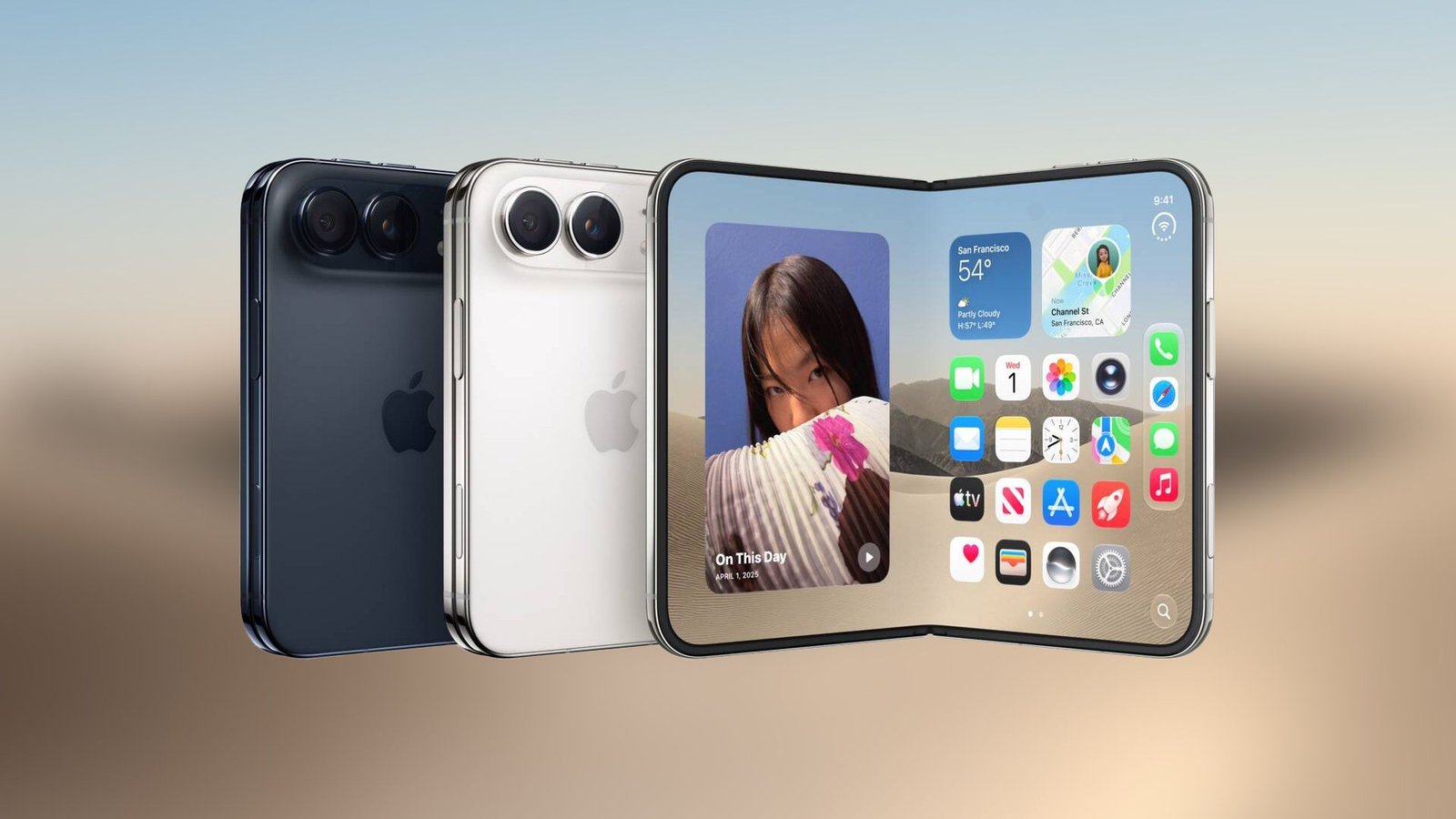
The Silicon Heart: Analyzing the A20 Pro Architecture
The recent emergence of Geekbench 7 data for the iPhone Duo has provided a technical window into Apple’s latest hardware trajectory. Powered by the 2nm A20 Pro chipset, the iPhone Duo stands as a testament to the continuous evolution of mobile silicon. With a 6-core CPU configuration and a 7-core GPU, the A20 Pro maintains parity with the hardware found in the iPhone 18 Pro lineup. The benchmarking data identifies a base frequency of 4.93GHz, signaling a sustained push toward higher clock speeds without abandoning the power-efficient microarchitecture that defines the A-series chips.
The move to a 2nm fabrication process represents a significant shift in transistor density. By shrinking the architecture, Apple has effectively increased the efficiency-per-watt ratio, allowing for the 20 percent increase in CPU performance and 40 percent jump in GPU capabilities over the preceding A19 Pro chip. In practical terms, this ensures that the iPhone Duo is not merely a novelty device constrained by its foldable form factor, but a computational powerhouse capable of handling professional-grade tasks, ranging from complex video rendering to real-time artificial intelligence processing.
Hardware Specifications and Memory Integration
A notable finding from the recent benchmark is the confirmation of 12GB of RAM, identified as 11.30GB of usable memory within the system. This significant allocation of memory is a critical requirement for the dual-display environment of the iPhone Duo. Operating a folding device requires the system to manage two active screens simultaneously, which involves heavy lifting from the operating system’s windowing engine and background task manager. The 12GB of RAM provides the necessary headroom to keep multiple high-demand applications suspended in a “ready” state, allowing for seamless transitions when the user unfolds the device to expand their workspace.
The integration of iOS 27.1, as indicated by the benchmark, suggests that the software environment has been specifically optimized to handle the unique I/O demands of a foldable device. By maintaining the same 6-core CPU structure as the iPhone 18 Pro, Apple has ensured that developers do not need to rewrite their applications for a different instruction set. Instead, the focus remains on leveraging the extra memory to enhance the multitasking capabilities that a larger, folding screen inherently demands.
Thermodynamics and Real-World Performance
While the benchmark scores of 3986 for single-core performance and 11067 for multi-core performance are impressive, they exist within a controlled environment. The real-world application of the A20 Pro inside the iPhone Duo will be subject to unique thermal constraints. Foldable devices present a challenge for heat dissipation due to the necessary division of internal components across two chassis segments, joined by a hinge.
Thermal management is a critical factor that could create discrepancies between the iPhone Duo and the static iPhone 18 Pro. Apple’s engineering team has likely implemented advanced thermal pathways to ensure that even under heavy load, the A20 Pro does not throttle performance. However, the use of two displays necessitates a higher demand on the GPU and the display controller. Users should expect that while the raw silicon capability is identical to the Pro series, the sustained performance threshold will depend on how efficiently the dual-chassis design transfers heat away from the logic board during extended periods of usage, such as gaming or high-resolution video editing.
The Visual Interface and Display Technology
Beyond the raw processing power, the iPhone Duo distinguishes itself through its specific approach to screen technology. The inclusion of a matte nano-texture display is a deliberate engineering choice aimed at mitigating the visual impact of the crease—a common drawback in foldable display technology. This nano-texture coating is designed to disperse ambient light, which reduces glare and helps the eye overlook the physical indentation created by the hinge mechanism.
This hardware feature is supplemented by the device’s quad-camera array, which includes a 48-megapixel Fusion Main camera and a 48-megapixel Ultra Wide sensor. The synergy between the A20 Pro’s image signal processor and these high-resolution sensors suggests that the iPhone Duo is positioned as a premier tool for digital content creators. The ability to use the outer screen as a viewfinder for the primary rear-facing cameras while the device is in a folded or semi-folded orientation provides a level of flexibility that is entirely absent from traditional smartphones.
Market Impact and Future Outlook
The imminent launch of the iPhone Duo, with pre-orders opening on October 16, marks a pivotal moment for the smartphone industry. While initial reports of production yields hovering around 60 percent suggest that manufacturing remains a complex hurdle, the technical foundation of the device is robust. By maintaining architecture consistency with the flagship iPhone 18 Pro, Apple has mitigated the risk of software fragmentation.
For the consumer, the impact is twofold. First, the iPhone Duo establishes a new standard for high-performance foldable mobile computing. Second, it serves as a testing ground for the integration of high-memory architectures and sophisticated hinge-thermal management. As the market adapts to this form factor, the iPhone Duo will likely influence the development of future iterations, focusing on refining the balance between hardware power and the physical requirements of a folding chassis. As the device moves into the hands of the public, the transition from benchmark success to everyday utility will provide the final verdict on whether the A20 Pro’s capabilities are truly optimized for this ambitious design.
Disclaimer: This content is auto-generated for informational purposes only.
Source: Read Original News