







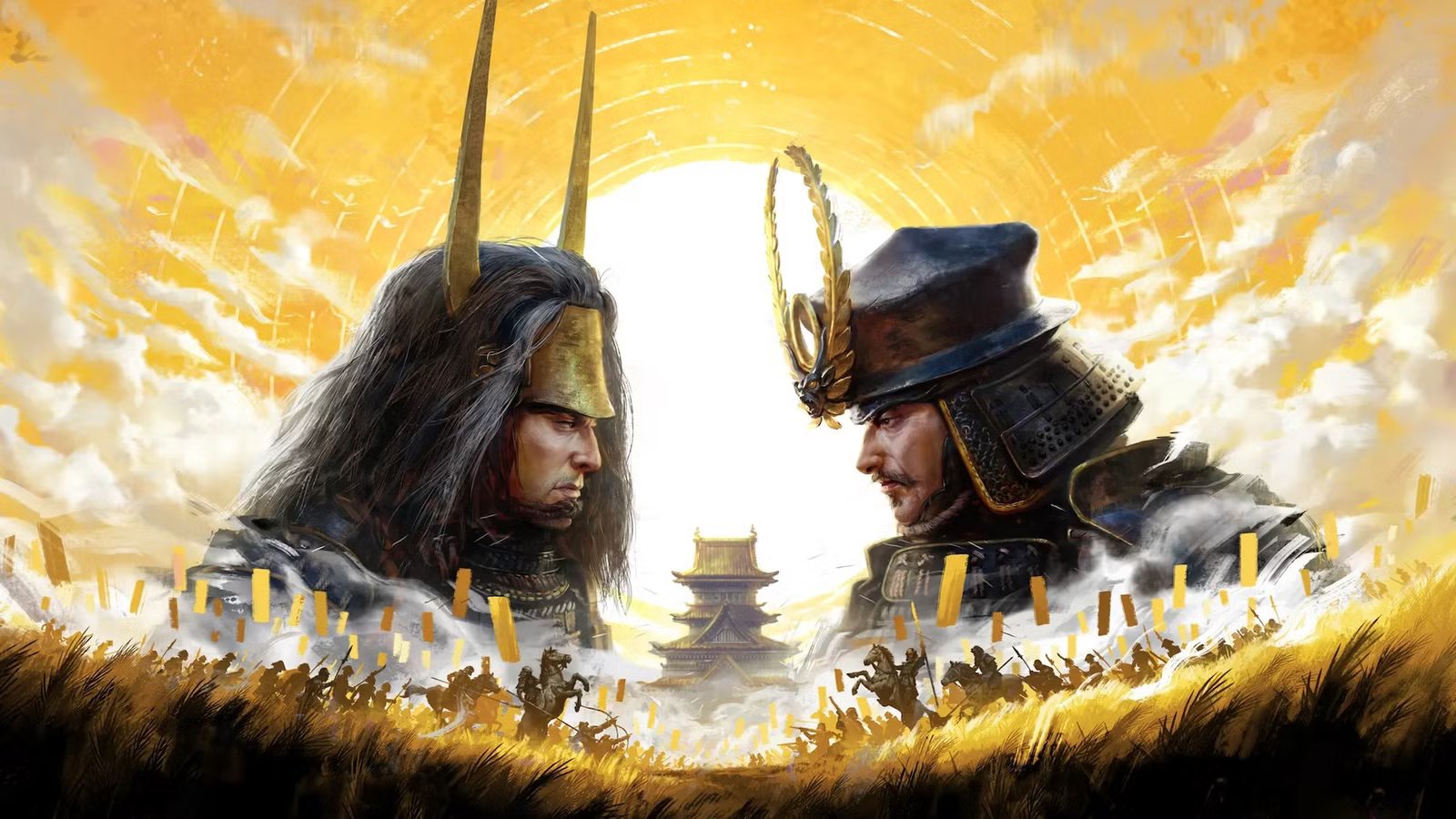
The Fallout of the Shogun 2 Rerelease
The recent launch of Total War: Shogun 2 – Complete Edition has triggered a severe backlash from the franchise’s dedicated community. Marketed as an “updated, enhanced, and complete version” of the 2011 grand strategy masterpiece, the title has instead arrived on Steam to a wave of harsh criticism. Within 24 hours of its debut, the game’s review consensus fell to “Overwhelmingly Negative,” with approximately 83% of users expressing deep dissatisfaction with the product.
Long-time fans, some with thousands of hours invested in the original title, have cited a multitude of technical regressions. Complaints range from persistent, legacy bugs that were never resolved to the introduction of entirely new stability issues. Among the most frequently cited grievances is the lack of Steam Workshop support, a feature considered vital to the longevity of the Total War franchise, which allows players to integrate community-made mods. The removal of this functionality, coupled with reported performance degradation compared to more modern entries in the series, has left a significant portion of the user base feeling alienated.
Technical Concerns and Questionable Visual Enhancements
A central point of contention involves the game’s graphical overhaul. The Complete Edition promised improved visual fidelity and specific support for 1440p and 4K UI scaling. However, players have documented instances of what appear to be poorly executed AI-driven upscaling. Rather than a clean, high-definition remaster, the game features textures and portraits that exhibit common artifacts of automated upscaling, such as distorted details and “hallucinatory” shapes that deviate from the original artistic intent.
These visual inconsistencies have not gone unnoticed by those involved in the game’s original production. Reports suggest that Roland MacDonald, the artist responsible for the game’s original unit portraits, has characterized the updated imagery as a lazy attempt to modernize assets. The discord between the promised enhancement and the resulting visual output has fueled accusations that the developers bypassed meticulous manual restoration in favor of automated, generative processes. Notably, the store page provides no specific disclosures regarding the use of generative artificial intelligence in the production of these assets, leaving players to speculate on the development methodology.
The Ethics of Delisting and Rebranding
Beyond the technical performance and visual quality, the commercial strategy behind the release has drawn intense scrutiny. The original 2011 version of Total War: Shogun 2—a title celebrated for its strategic depth in feudal Japan—was delisted from the Steam store to coincide with the launch of the Complete Edition. This decision has effectively removed the option for consumers to purchase the classic, stable version of the game, forcing them toward the new, more expensive release.
Many users perceive this as a predatory move by publisher Sega and developer Creative Assembly. By replacing a “Mostly Positive” classic with a version that suffers from optimization failures and missing community features, the release is being viewed as a cynical cash-grab rather than a genuine effort to preserve or improve a beloved title. The sentiment across community forums is that the developers prioritized a repackaging effort over the technical necessity of porting the game to a modern, stable 64-bit architecture—a move that was originally requested by the player base.
Understanding the Impact on Strategy Gaming
Total War: Shogun 2 occupies a significant position in the history of strategy gaming. Its ability to balance real-time tactical battles with turn-based empire management earned it a 90 score on Metacritic and established a high bar for the series. The current failure of the Complete Edition represents a disconnect between corporate product management and the expectations of a legacy community. In an era where game preservation is becoming an increasingly important topic, the loss of an optimized, functional version of a classic title to a buggy, overpriced replacement has broader implications for how publishers maintain their back catalogs.
Moving Toward Resolution
As of now, neither Sega nor Creative Assembly has issued an official statement regarding the negative feedback or the specific technical concerns raised by users. The absence of a response has only served to amplify the frustration among those who feel the developers have neglected the core requirements of a “Complete” experience.
For the gaming industry, this incident serves as a cautionary case study on the risks of using automated upscaling tools on legacy assets without sufficient human oversight. As players continue to demand transparency regarding the use of generative technology and better technical support for older titles, the pressure on publishers to address these systemic issues will likely increase. Whether the developers will offer patches to restore lost functionality or clarify the production methods behind the new visuals remains to be seen, but the current consensus suggests that the Complete Edition has significant ground to make up before it can be considered a worthy successor to the original.
Disclaimer: This content is auto-generated for informational purposes only.
Source: Read Original News