






India and U.S. Near Finalization of Phase-One Trade Agreement
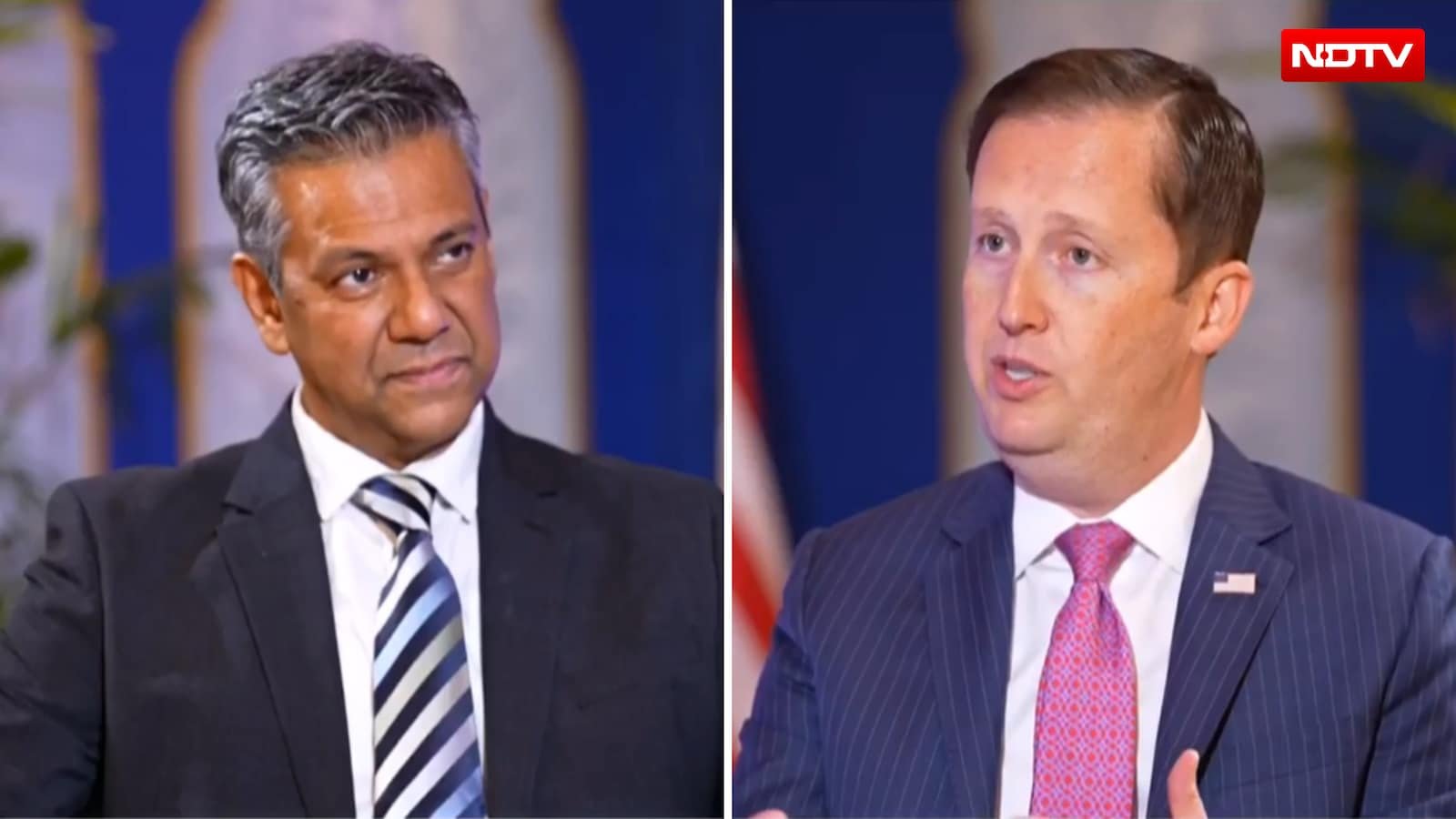
NEW DELHI: India and the United States are on the brink of concluding the inaugural phase of a comprehensive trade agreement, as officials from both nations accelerate the final stages of the process. Rajesh Agrawal, India’s trade secretary, confirmed on Thursday that the deal has reached the legal drafting phase, signaling a significant milestone in bilateral economic relations.
During a briefing on the latest trade statistics, Agrawal expressed optimism regarding the progress of the discussions. “Negotiations are proceeding in a constructive manner, and our legal teams are currently fine-tuning the provisions of the agreement,” he stated. According to the trade secretary, the Indian government is primarily focused on securing preferential market access for domestic industries and ensuring greater tariff stability, which New Delhi views as a cornerstone for sustained long-term economic growth.
High-Level Diplomatic Engagement
The momentum surrounding these trade talks is expected to intensify with the upcoming visit of U.S. Secretary of State Marco Rubio. Scheduled to travel to India and Uzbekistan between October 17 and 22, Secretary Rubio is slated to hold a series of high-level meetings with key government officials and prominent industry leaders. The agenda for these discussions is broad, covering critical areas such as energy security, commercial investment strategies, and the reinforcement of overarching economic ties.
While the diplomatic atmosphere remains focused on cooperation, analysts are keeping a close watch on the geopolitical undercurrents shaping the trade dialogue. The relationship between the two global powers has experienced notable volatility over the past year, strained by conflicting narratives regarding regional security and maritime incidents. Specifically, U.S. President Donald Trump’s assertions about brokering a ceasefire between India and Pakistan, coupled with a tense military incident off the coast of Oman that resulted in the loss of three Indian seafarers, have tested the resilience of the partnership.
Market Challenges and Strategic Realities
The push for a trade deal also occurs against the backdrop of complex energy dynamics. Recent developments involving U.S. procurement of Russian diesel have sparked speculation within trade circles. Some experts suggest this shift in U.S. strategy might provide leverage for New Delhi to avoid punitive tariffs on its own Russian oil imports. However, caution remains in the policy community.
Ajay Srivastava, co-founder of the Global Trade Research Initiative, warned that while the energy situation provides some breathing room, it does not guarantee a frictionless negotiation. “Washington’s current energy strategy has certainly altered the discourse surrounding Russian oil, yet there is a possibility that the U.S. may still leverage the threat of trade duties to compel New Delhi into accepting terms that are less than ideal,” Srivastava noted.
As legal drafting reaches its conclusion, both governments are balancing the desire for a symbolic victory in economic cooperation against the pressure to protect their respective domestic interests. With Secretary Rubio’s visit approaching, the coming week is expected to be decisive in determining whether the two nations can finalize an agreement that addresses the concerns of both New Delhi and Washington. Government officials maintain that they aim to sign the deal at the earliest possible window, marking a vital step forward in the strategic trajectory of the U.S.-India relationship.
Disclaimer: This content is auto-generated for informational purposes only.
Source: Read Original News