







Visual Fidelity and Asset Reconstruction in Modern Remakes
The recent unveiling of the Ocarina of Time remake for next-generation hardware has sparked significant discussion regarding the fidelity of legacy character models. As developers transition classic polygonal assets into high-definition environments, the technical challenges involve more than simply increasing polygon counts or texture resolution. The process requires a complete reconstruction of character identity within a modern rendering engine. In the case of iconic NPCs like the Bombchu Bowling Alley Operator, the shift from 64-bit geometry to current-generation shaders reveals a complex intersection between nostalgia and digital preservation.
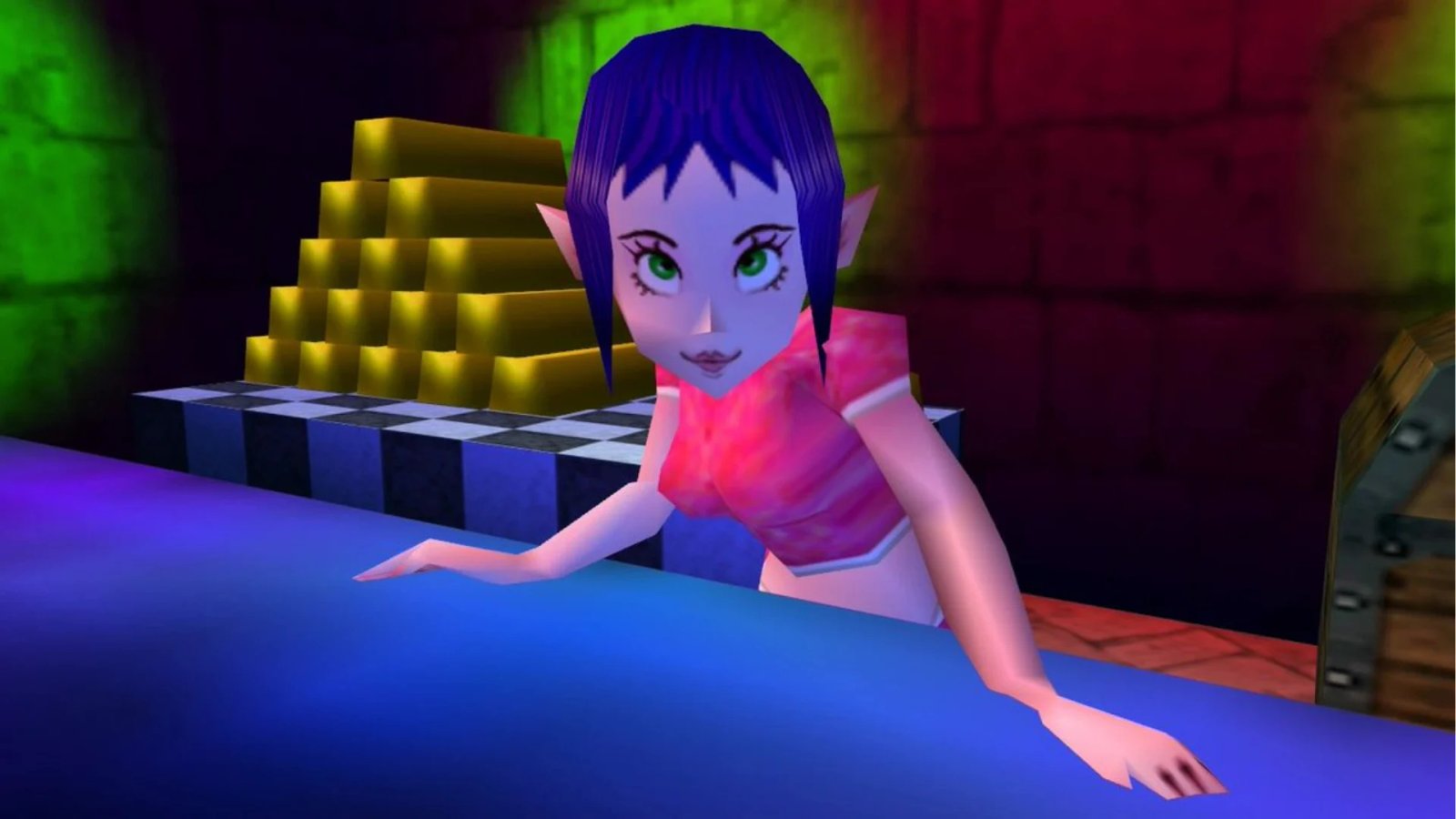
Modern engines allow for intricate material properties that were previously impossible to convey. Where the original character relied on simple color blocks and limited vertex data to define her aesthetic, the new model utilizes complex normal mapping and sub-surface scattering to render her skin and fabric. The addition of finer details—such as dark nail polish and specific knit textures on her crop top—serves to modernize the character while maintaining the structural silhouette that fans recognize. However, this level of detail often forces a trade-off in the expressiveness of the character’s facial animations.
The Challenge of Preserving Legacy Expression
One of the most persistent issues in software remakes is the translation of stylized, low-poly facial expressions into high-fidelity models. In the original Ocarina of Time, the Bombchu Bowling Alley Operator’s visual language was communicated through exaggerated, compressed textures and limited animation frames. This allowed the character to project a specific persona with minimal data. When these assets are upgraded to high-resolution models, the “uncanny valley” effect can emerge if the animation rig does not replicate the precise, deliberate micro-expressions found in the source material.
Technical analysis of the preview footage suggests that while the geometry is undeniably more advanced, the soul of the character—her distinct, sharp gaze—has been softened by more realistic lighting and skin shading. In the legacy version, the high-contrast textures on her eyes functioned as a form of stylized visual shorthand. In the new iteration, the implementation of physically based rendering (PBR) aims for realism, which can inadvertently flatten the sharp, iconic features that characterized her original design. This transformation highlights the difficulty of maintaining a specific artistic intent when upgrading graphical fidelity.
Technical Advancements in Character Shading
The transition to the latest console architecture introduces advanced shading techniques that provide depth to character models. The new Bombchu Bowling Alley Operator features realistic clothing materials, such as the textured knit of her crop top, which reacts dynamically to the environment’s ambient light. By using high-resolution textures and sophisticated shader programs, developers have moved away from the flat color palettes of the 1990s.
Furthermore, the introduction of modern lighting models allows for more natural reflections in the eyes and subtle color variations across the skin. These features contribute to a more immersive experience for the player, as characters now appear to exist within the physical space of the game world rather than floating atop a pre-rendered background. While these advancements are necessary for meeting current visual standards, they create a distinct shift in the character’s presence. The “goth-leaning” aesthetic introduced in the remake, manifested through darker color tones and material updates, shows an attempt to evolve the character’s design language for a contemporary audience while keeping the foundational identity intact.
Balancing Aesthetic Evolution with Fan Expectations
Public discourse regarding the remake highlights a recurring tension in technology and software development: the balance between technical accuracy and aesthetic consistency. For many fans, the character’s original look was defined by its constraints, which forced developers to be highly creative with limited visual data. When software developers approach a remake, they must decide whether to iterate on the original design or faithfully recreate it in high definition.
The updated Bombchu Bowling Alley Operator is a prime example of this iteration. The move toward a more detailed, textured look suggests a design philosophy that prioritizes modern standards of realism over strict adherence to the original’s abstract, emotive style. This development has received mixed reactions, as it forces the community to re-evaluate what constitutes a “true” representation of a legacy character. The technical impact of these updates extends to every NPC in the game, essentially creating an entirely new aesthetic baseline for the Zelda series that blends the familiar with the modern.
Future Implications for Game Asset Remasters
The development of the Ocarina of Time remake signals a broader trend in how interactive media approaches legacy preservation. As hardware capabilities continue to expand, the definition of a “faithful” remaster becomes increasingly fluid. Developers are now tasked with reinterpreting iconic designs with tools that allow for near-infinite complexity. The lesson taken from the reception of these character models is that technical excellence is not the only metric for success; the preservation of the original’s characterization and stylistic flair remains paramount.
Moving forward, the industry will likely rely on hybrid approaches that blend high-fidelity rendering with stylized animation rigs to capture the essence of classic titles. For the Bombchu Bowling Alley Operator, this means her place in the gaming pantheon is secure, even if her visual appearance is in a constant state of flux. Her presence in the remake serves as a bridge between the technical limitations of the past and the expansive possibilities of the future, ensuring that as hardware evolves, the characters we associate with our favorite digital experiences remain part of the ongoing narrative.
Disclaimer: This content is auto-generated for informational purposes only.
Source: Read Original News