







The Shift in Withings Connectivity Strategy
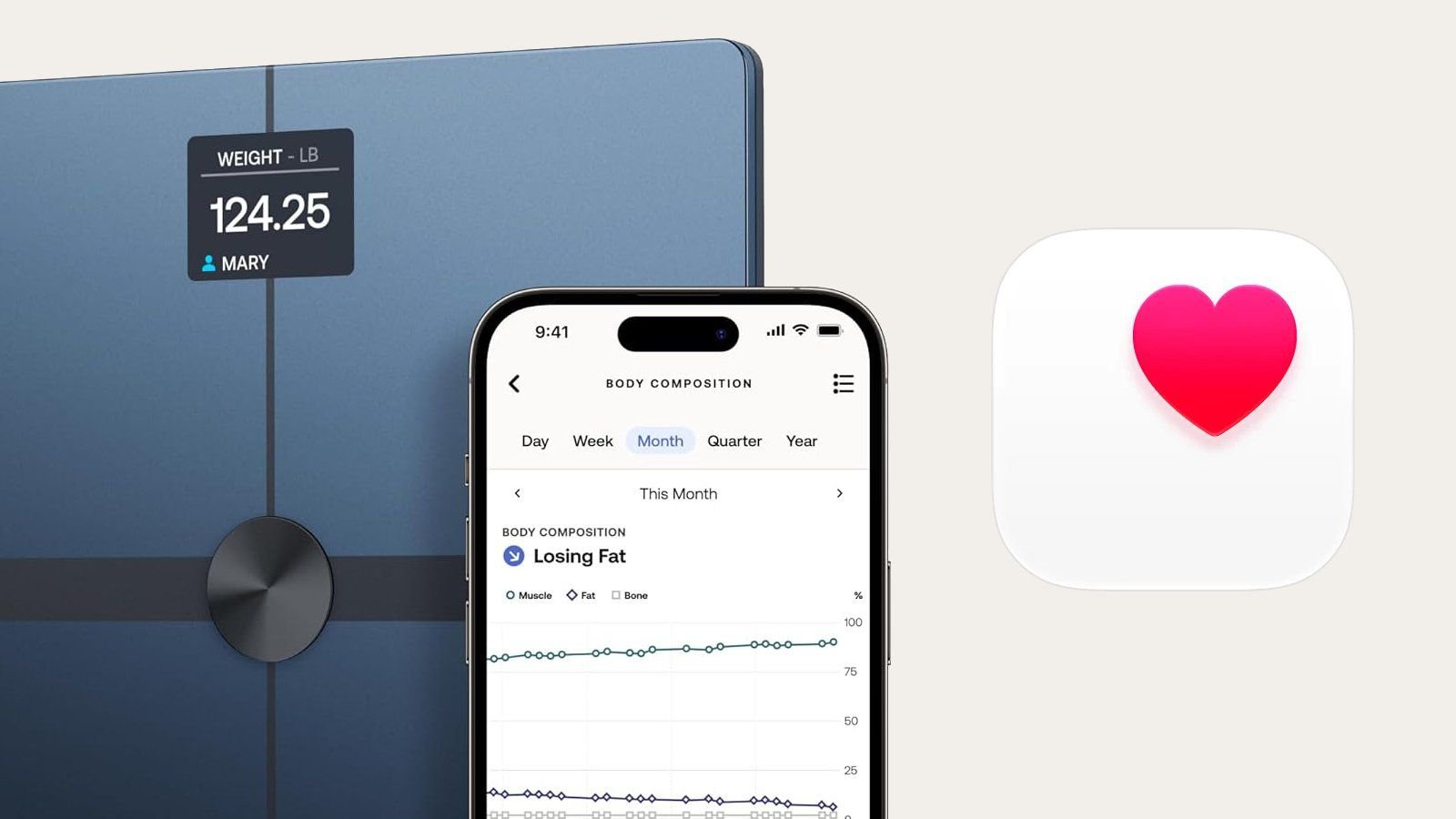
Withings, a prominent manufacturer of smart health hardware, has introduced a significant modification to its business model regarding data accessibility. Effective October 13, 2026, the company has restricted automatic synchronization of health data with third-party platforms—including Apple Health—behind its premium subscription service, Withings+. New users who establish an account on or after this date must commit to the annual subscription, currently priced at $99.50 in the United States, to enable seamless data integration with external health and fitness ecosystems.
This policy adjustment represents a departure from the industry standard where hardware-acquired telemetry is typically exposed to user-selected dashboards without additional recurring costs. For the modern consumer, who often aggregates biometric data from multiple sources like smart scales, blood pressure monitors, and wearable devices into a centralized health repository, this change introduces a new barrier to data portability.
Eligibility and Legacy Account Protections
To mitigate backlash from the existing customer base, Withings has implemented a grandfather clause. Users who registered their Withings accounts on or before October 12, 2026, retain the privilege of free automatic synchronization to third-party applications. Importantly, this status is tied to the account creation date rather than the hardware ownership. Consequently, long-term users are not penalized for upgrading their equipment; should an existing user purchase a new Withings scale or blood pressure monitor in the future, their existing account settings remain intact, and they will not be required to purchase a Withings+ subscription to maintain third-party connectivity.
The bifurcation of the user base into legacy and new-account categories is a strategic maneuver designed to protect brand loyalty among long-standing customers while establishing a new baseline for incoming users. However, it also creates a complex support environment, as the feature set available to a specific user will depend entirely on their registration date rather than the specific model of hardware they utilize.
Technical Implications of Subscription-Based Syncing
From a technical standpoint, the synchronization process typically involves background API calls between the Withings cloud servers and the Apple HealthKit framework. Historically, Withings facilitated this handshake as part of the hardware purchase, effectively treating data portability as a fundamental utility of the device. By moving this process behind a subscription gateway, the company is effectively commercializing the API egress.
This move raises questions regarding data ownership and the role of the platform provider as an intermediary. For users who rely on Apple Health as their primary hub for longitudinal health tracking, the requirement to pay a recurring fee to bridge the gap between hardware and software might necessitate a reevaluation of their smart device ecosystem. While local Bluetooth data retrieval may remain an element of the app experience, the loss of automatic, background server-to-server syncing significantly reduces the utility of Withings products for users who integrate them into broader automated health workflows.
Market Impact and Consumer Considerations
The health-tech market is currently experiencing a period of consolidation where services and hardware are increasingly intertwined. Companies are under mounting pressure to generate consistent revenue streams beyond the initial point-of-sale hardware purchase. Withings+ provides value-added features such as personalized coaching, in-depth nutrition analysis, and detailed sleep reports, which justify the cost for some users. However, by coupling basic connectivity features—traditionally considered a baseline functionality—with the premium offering, Withings is testing the limit of consumer willingness to pay for ongoing access to their own biometric data.
Competitors in the smart scale and health-tracking space will likely monitor the reception of this policy closely. If the market accepts this model without a significant reduction in sales volume, other manufacturers may follow suit, transitioning toward a recurring revenue model for data interoperability. Conversely, should the change prompt a shift in consumer demand toward hardware manufacturers that offer open, free-of-charge API access, it could force a reversal of this strategy.
Assessing Future Data Portability
For prospective buyers, the implications of this update are clear: the total cost of ownership for a Withings device has effectively changed for those entering the ecosystem today. Before committing to a hardware purchase, users must now calculate the $99.50 annual expense as a mandatory add-on if they intend to aggregate their data into Apple Health or other popular fitness trackers.
For the broader tech industry, this development signals a cooling of the open-data era that defined the early growth of health wearables. As health data becomes increasingly valuable, the infrastructure required to store, process, and synchronize that data is being repurposed as a primary revenue driver. Users who prioritize centralized data management must now be more discerning about the ecosystems they join, favoring platforms that prioritize open standards and connectivity over those that gatekeep data movement. As of October 2026, the smart home and health tracking landscape is increasingly defined by these walled gardens, and the Withings decision serves as a primary example of this ongoing trend.
Disclaimer: This content is auto-generated for informational purposes only.
Source: Read Original News