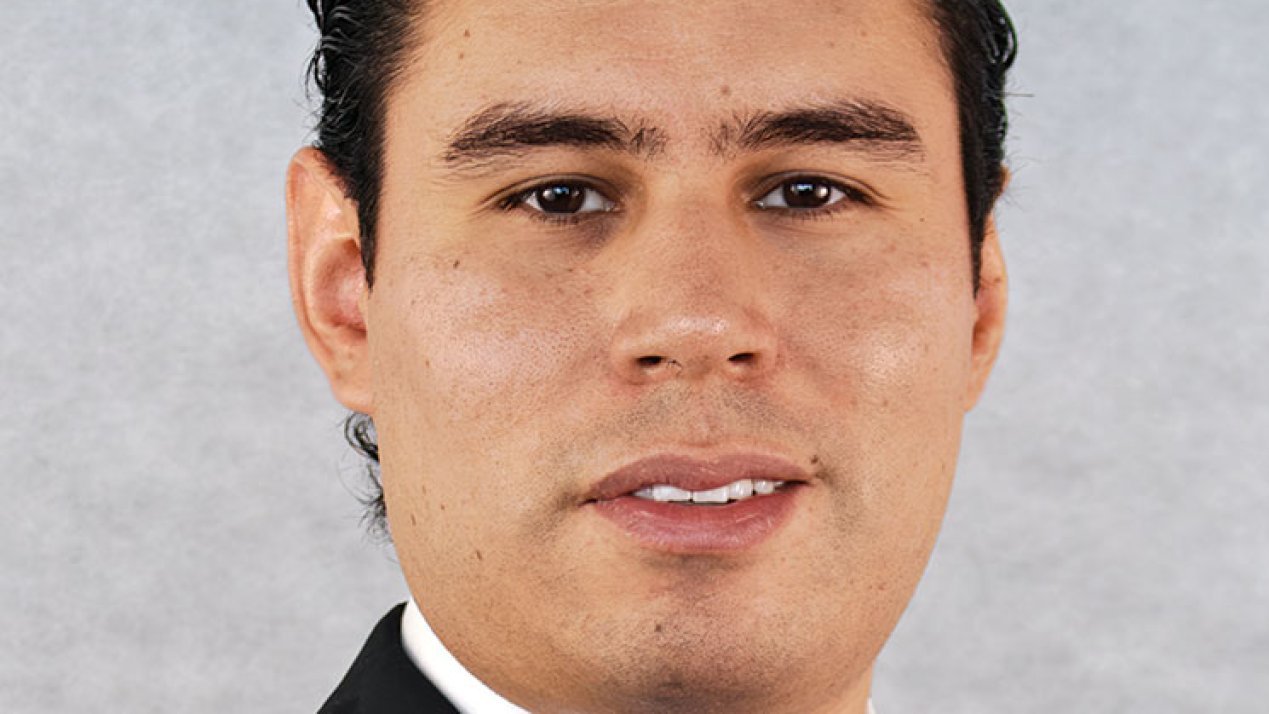









As the USMCA review process gains momentum, the Mexican Association of Innovative Medical Device Industries (AMID) is making a strategic push to safeguard one of North America’s most vital supply chains. With Mexico serving as the leading provider of medical technology to the U.S. healthcare system, AMID is lobbying for policy adjustments that prioritize regional integration, regulatory efficiency, and long-term economic certainty.
## Strengthening the North American Medical Supply Chain
AMID has identified four core pillars essential to the stability of the medical device sector. At the forefront is the management of tariffs, particularly as geopolitical tensions necessitate a stronger North American value chain to prevent production disruptions. Because medical device manufacturing involves components crossing borders multiple times, AMID is advocating for rules of origin that reflect regional content rather than rigid national quotas, which they argue are logistically impractical in modern high-tech manufacturing.
Beyond tariff strategy, the organization is pushing for significant improvements in customs facilitation to eliminate frequent border bottlenecks. By streamlining these procedures, AMID aims to ensure that finished goods reach hospitals and clinics across the continent without delay. Additionally, the association is working with Mexican authorities to fully operationalize a landmark equivalency agreement. This framework would allow Mexico to fast-track import/export permits and sanitary registrations for products already vetted by high-standard bodies such as the U.S. Food and Drug Administration (FDA) or the European Medicines Agency (EMA), effectively removing regulatory redundancies that stifle competitiveness.
## Shifting Toward Value-Based Healthcare
While Mexico remains a global hub for the manufacturing of medical devices, its domestic market significantly lags in per-capita consumption of these technologies. To address this, AMID is championing a cultural shift in how the Mexican government and private sector procure medical equipment.
The industry is working to transition purchasing authorities away from the traditional focus on the lowest upfront cost, which often leads to the acquisition of outdated technology. Instead, AMID is advocating for “value-based procurement.” By evaluating clinical evidence and the total cost of ownership, authorities can adopt advanced medical technology that reduces long-term burdens on the healthcare system—such as shorter stays in intensive care and a lower incidence of surgical complications. This agenda of “innovation with impact, integrity, and inclusion” is designed to modernize the internal healthcare landscape while leveraging the devices manufactured within the country.
## Navigating the Digital Frontier
As the industry moves toward increasingly interconnected medical devices, cybersecurity has become a critical focal point. While Mexico’s current legislation, such as NOM-240, primarily covers technovigilance and post-market surveillance, it lacks formal, comprehensive language regarding digital security.
To mitigate this gap, AMID is leaning heavily into self-regulation. Given that the majority of its members are multinational corporations, the medical devices currently entering the Mexican market already adhere to the world’s most stringent cybersecurity standards, such as those mandated by the FDA. AMID is supporting this implementation through specialized training for local healthcare professionals. Last year alone, the organization oversaw the technical training of over 160,000 workers to ensure that high-capital technological solutions—ranging from complex imaging systems to connected diagnostics—are operated safely and calibrated correctly.
Looking ahead, AMID emphasizes that while US$400 million in expansion investments are already moving forward, the long-term future of the sector depends on the successful outcome of the USMCA review. Providing clear legal certainty remains the primary requirement for multinational headquarters to authorize subsequent rounds of capital, ensuring that North America remains a leader in medical innovation against rising global competition.
Disclaimer: This content is auto-generated for informational purposes only.
Source: Read Original News