







New Delhi Sees Fresh Wave of Protests Over Voter List Purge
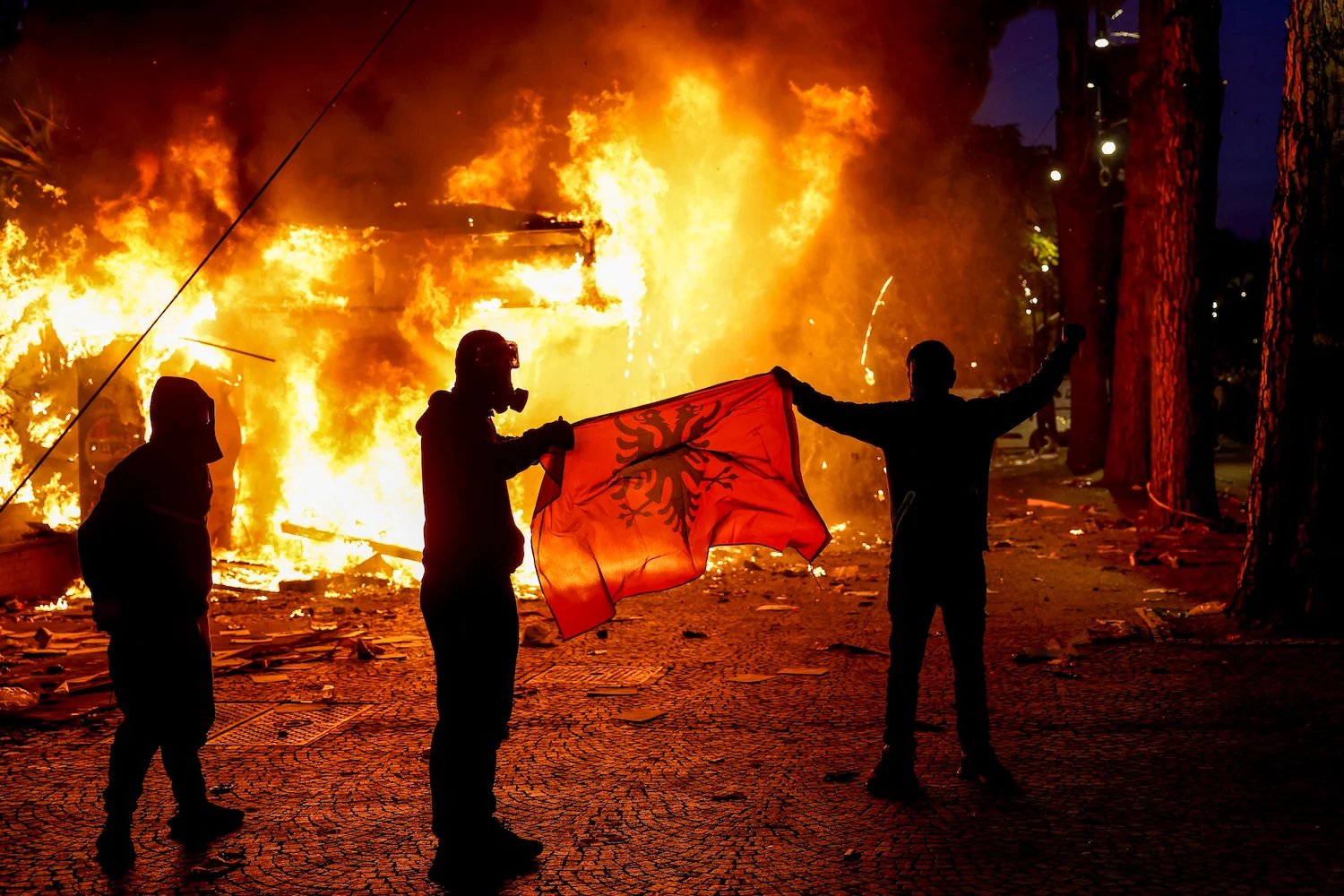
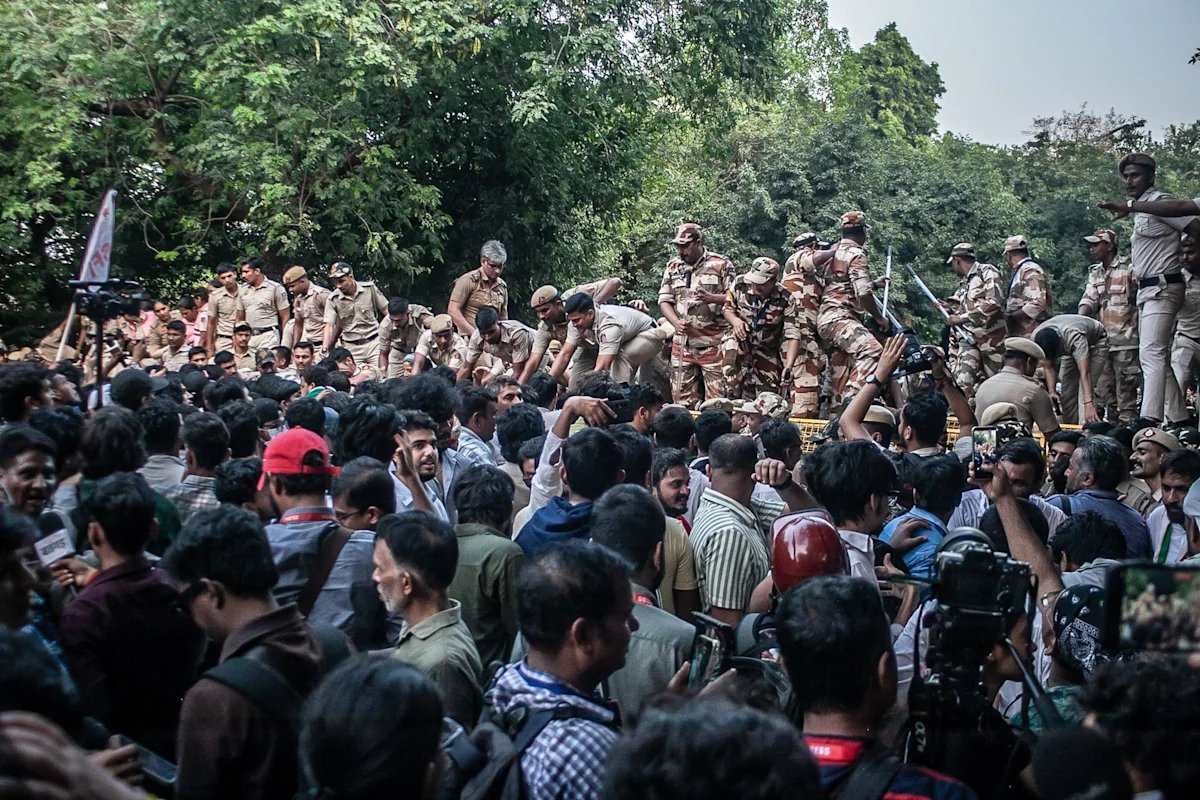
Tensions escalated in the Indian capital on Friday as thousands of demonstrators, primarily consisting of students and young activists, took to the streets to challenge the integrity of the national electoral process. Despite a heavy deployment of security forces and pre-emptive restrictions, protesters gathered at various transit points across New Delhi to voice their profound distrust in the Election Commission’s recent administrative actions.
The demonstrations were fueled by allegations of systematic tampering with voter rolls, specifically centering on the recent deletion of approximately 130 million names from the electoral register. While the Election Commission has maintained that this massive exercise was a routine cleanup—intended to purge the lists of duplicate entries, deceased individuals, and ineligible voters—the explanation has failed to quell public outcry. For the agitators, the scale of the removals suggests a deliberate attempt to disenfranchise voters ahead of upcoming political cycles.
“Cockroach” Movement Leads the Charge
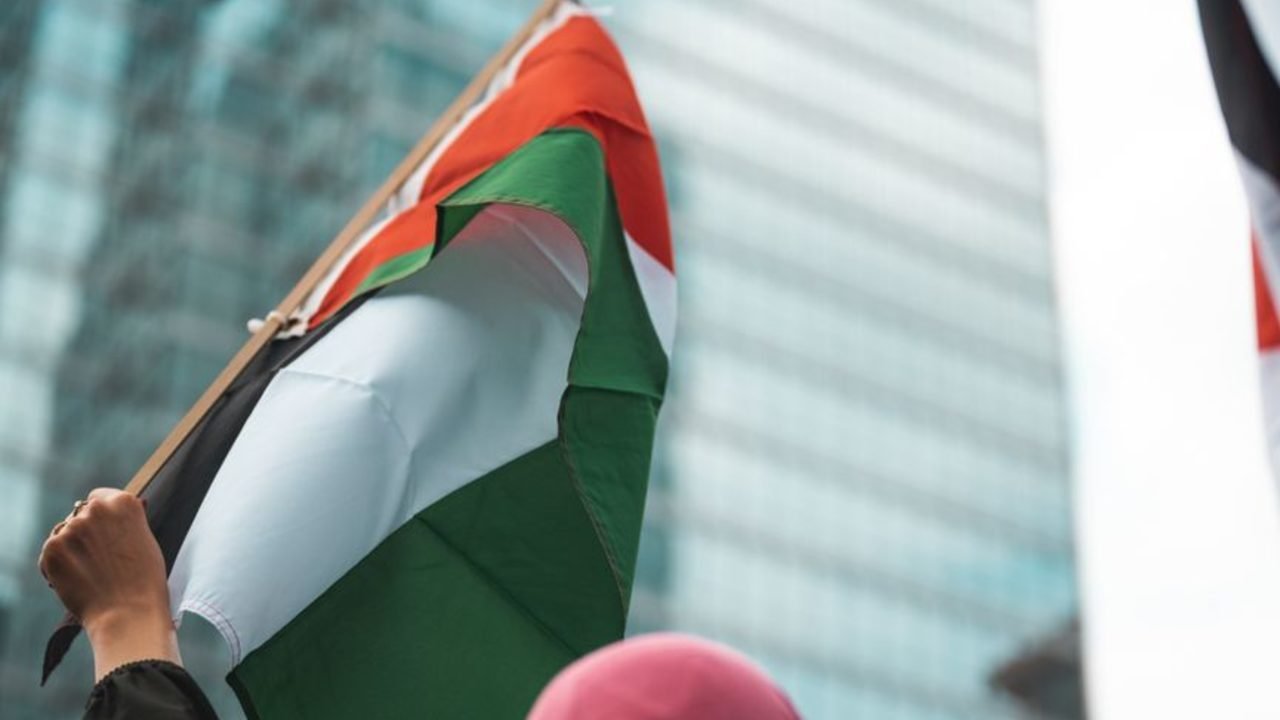
The protests were organized under the banner of the “Cockroach” movement, a grassroots political faction that has gained significant traction among the youth and vocal opposition circles. Holding aloft the Indian tricolour, participants chanted slogans demanding the immediate resignation of the head of the Election Commission, arguing that the institution has lost its neutrality.
The atmosphere in the city was volatile from the early hours of the morning. In a move that drew sharp criticism from civil society groups, police intercepted Abhijeet Dipke, the founder of the Cockroach Janta Party (CJP), outside his residence. Officers confirmed that Dipke was taken into custody as a “preventive measure,” citing the CJP’s stated intention to hold a mass rally in the heart of Connaught Place—a gathering that had been explicitly banned by local authorities.
A Conflict of Rights and Order
The arrest of the CJP leader served as a flashpoint for the day’s unrest. Posting to his social media followers on X, Dipke questioned the legality of his detention, asking, “What law have I broken? Has waving the tricolour also become a crime now?” His supporters view the administrative crackdown as a direct assault on the fundamental right to peaceful assembly and free speech.
Throughout the afternoon, police engaged in a game of cat-and-mouse with protesters who attempted to bypass roadblocks in central New Delhi. Local media reported multiple instances of arrests as officers dispersed crowds that refused to vacate public spaces. The images of young protesters standing defiant against riot police have since dominated the national discourse, highlighting a growing generational rift regarding the transparency of India’s democratic institutions.
The Road Ahead
As the sun set on the capital, the standoff between the government and the activists appeared far from resolved. The Election Commission remains under immense pressure to provide a more granular breakdown of the deleted names to restore public confidence. For the protesters, however, the issue is not merely one of bureaucratic record-keeping; it is a battle for the perceived legitimacy of their voting rights. With the CJP vowing to continue its campaign despite the arrest of its leadership, the coming weeks are expected to witness further friction over the administration of one of the world’s largest electoral systems.
Disclaimer: This content is auto-generated for informational purposes only.
Source: Read Original News