








The Indian film industry has always been a landscape where the lines between historical reverence and cinematic spectacle are constantly redrawn. Every few years, a director arrives with a vision that demands we look backward to understand the present, and with the release of Ranabaali, director Rahul Sankrityan has firmly planted his flag in that territory. But beyond the director’s ambition, it is the ringing endorsement from one of modern cinema’s most polarizing yet influential voices—Sandeep Reddy Vanga—that has set the trade circuits and social media timelines ablaze.
As Ranabaali hit theaters on October 16, 2026, the initial buzz wasn’t just about box office numbers; it was about the raw, visceral impact of the lead performances and the film’s willingness to unearth the skeletons of the Great Famine of 1876–78.
The Vanga Stamp of Approval: More Than Just Chemistry
Sandeep Reddy Vanga, the man behind the tectonic shifts of Arjun Reddy and Animal, is rarely one to offer faint praise. When he takes to social media to urge audiences to head to the multiplexes, he usually sees something in the craft that resonates with his own sensibilities—often a blend of intensity, grit, and untethered emotional stakes.
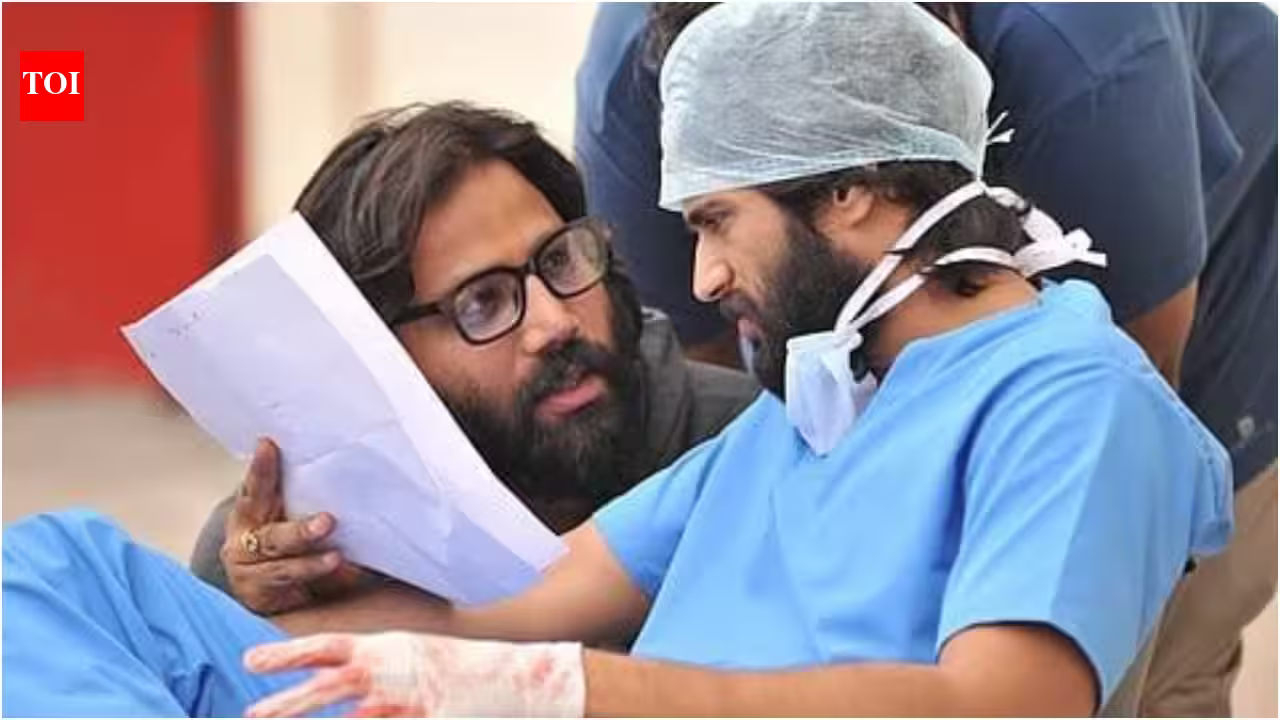
In his assessment of Ranabaali, Vanga bypassed the usual boilerplate promotion. He zeroed in on Vijay Deverakonda, noting his “outstanding character portrayal.” But perhaps more telling was his commentary on the reunion of Deverakonda and Rashmika Mandanna. “It’s far beyond chemistry,” Vanga wrote. “Some connections transcend the screen.” For fans who have followed the duo since their Geetha Govindam days, this is a significant evolution. Vanga went on to praise Rashmika’s turn as Jayamma, describing it as “achingly real”—a descriptor that suggests she has moved well beyond the constraints of commercial heroine tropes to deliver something grounded and profoundly human.
Unearthing the Famine of 1876
What makes Ranabaali a curiosity for more than just the average filmgoer is its subject matter. The film takes on the Great Famine of 1876–78, a period that remains one of the darkest, most traumatic, and frequently overlooked chapters of British colonial rule in India. It was a time when administrative callousness and socio-economic exploitation turned a natural calamity into a human-made catastrophe of unimaginable proportions.
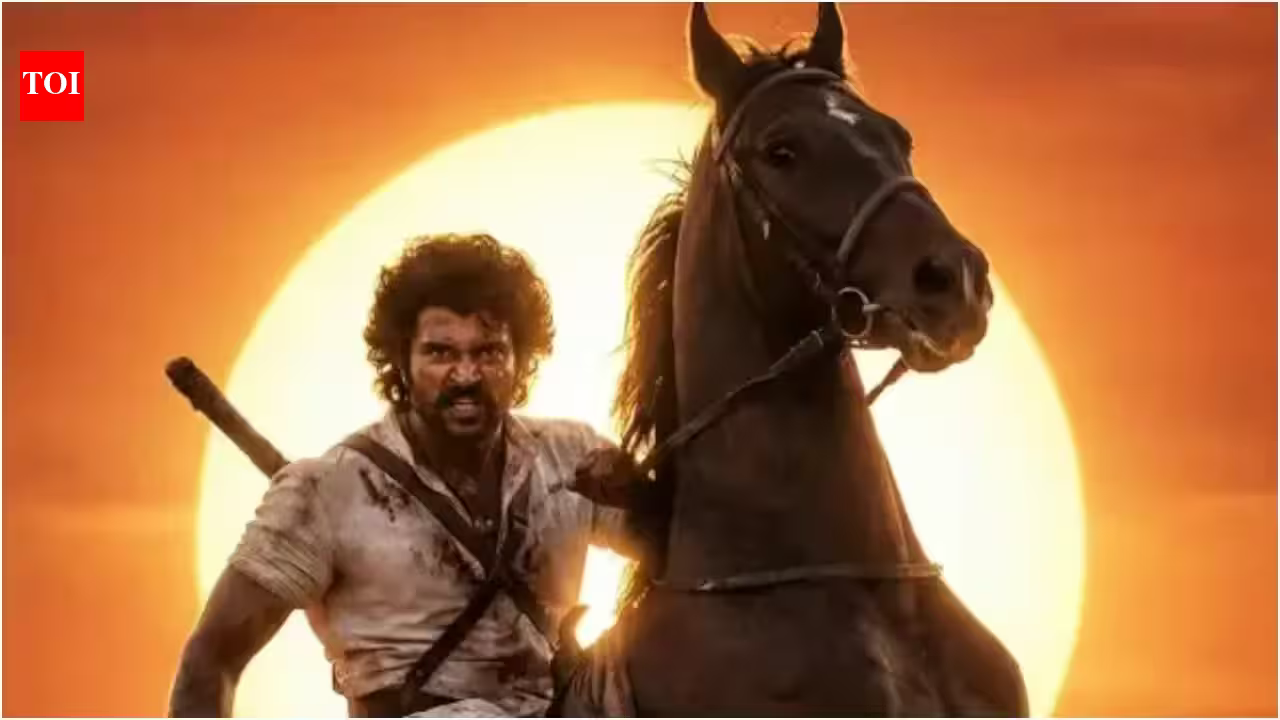
Director Rahul Sankrityan, known for his penchant for layering historical curiosity into his scripts, has positioned Ranabaali not just as a period piece, but as an educational mirror. As Vanga noted in his review, the film offers “something of serious academic interest,” highlighting facets of history that our school textbooks have traditionally treated with, at best, a cursory mention, and at worst, complete silence. By placing a fictionalized hero, Singanamala Bobbili Ranabaali, at the heart of this tragedy, the film creates a conduit through which the audience can experience the suffocating pressure of a regime that valued revenue over human life.
A Balanced Opening: The Box Office Reality
While the critical reception—bolstered by Vanga’s high-profile backing—has been positive, the commercial reality of Ranabaali is a nuanced story. Opening to a worldwide gross of Rs 16.50 crore on its first day, the film has shown a healthy start, fueled by a 57% occupancy rate across India. With Rs 9.25 crore coming from the domestic market alone, it is clear that there is a significant appetite for historical dramas that break away from the standard formula.
However, the industry is a zero-sum game of screens and attention. Ranabaali is currently navigating the “Jailer 2” factor. With the Rajinikanth juggernaut releasing just a day prior, the competition for footfalls is immense. While Jailer 2 is currently dominating the national conversation due to its sheer scale and star power, Ranabaali has successfully carved out a niche for itself as the “thinking man’s blockbuster”—a film that bridges the gap between mass-market entertainment and historical inquiry.
Technical Prowess and The Sound of Resistance
No period drama can survive on dialogue alone; it needs the atmosphere of the era. The mention of the musical duo Ajay-Atul in Vanga’s critique is no accident. The pair is known for their ability to evoke a sense of regional identity and grandiosity, and their involvement suggests that Ranabaali carries the sonic weight required to depict the desperation and subsequent fire of a famine-stricken populace.
Rahul Sankrityan appears to have prioritized “care and curiosity” in his filmmaking, a rare commodity in an industry often obsessed with rapid-fire releases. By focusing on the historical gravity of the era while maintaining the high-octane performance standards that audiences expect from a Deverakonda-Mandanna pairing, the film seems to be hitting a sweet spot. It doesn’t just ask the audience to watch a hero fight the British; it asks them to understand why he has to.
Why This Matters for the Future of Telugu Cinema
We are currently witnessing a shift in the Telugu film industry. The “Pan-India” label is beginning to lose its novelty, replaced by a demand for substance that can travel borders without losing its cultural specificity. Ranabaali represents the next iteration of this trend: films that are deeply rooted in regional history but framed with the production values and narrative complexity of global cinema.
Whether the film sustains its momentum against the massive shadow cast by Jailer 2 remains to be seen. But the critical consensus, bolstered by heavyweights like Vanga, suggests that even if it doesn’t break every opening record, Ranabaali will be remembered as a high-water mark for the careers of its leads. It is a bold, challenging project that rewards the audience’s attention—a rare achievement in a season defined by the loud and the fast. For those willing to look past the marquee names, there is a piece of history here that, as Vanga rightly pointed out, is well worth the price of admission.
Disclaimer: This content is auto-generated for informational purposes only.
Source: Read Original News