








Understanding the iPhone Handoff Ecosystem
Apple introduced the iPhone Handoff feature alongside the release of iOS 27, marking a significant shift in how mobile device connectivity is managed at the carrier level. At its core, iPhone Handoff allows a single cellular telephone number to be shared across two distinct iPhone devices. This functionality is designed to provide users with greater hardware flexibility, enabling them to transition their primary communication identity between devices without the traditional constraints of physical SIM swapping or managing multiple distinct cellular plans.
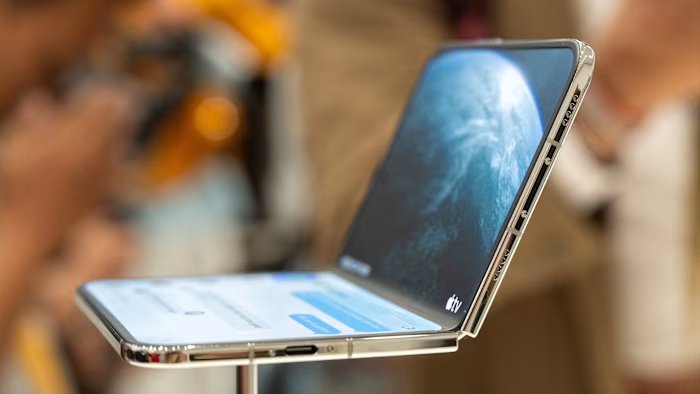
While the feature provides a unified experience, it maintains a strict operational limitation: a single telephone number can only be active on one device at any given moment. This ensures that incoming calls, SMS messages, and data sessions are routed correctly, preventing conflicts in network registration. The service is specifically architected for the latest hardware, currently requiring compatible devices such as the iPhone 18 Pro and the newly released iPhone Duo.
Verizon Joins the Ranks of Handoff Providers
Verizon has officially confirmed its entry into the iPhone Handoff service landscape, positioning itself as a premium provider for this connectivity feature. The carrier has set the monthly recurring charge for this service at $10. This announcement arrives as part of a broader strategy by the company to support the iPhone Duo and the iPhone 18 Pro, acknowledging the growing consumer demand for multi-device management under a singular account umbrella.
For Verizon subscribers, the primary benefit is the ability to maintain a consistent digital identity across different form factors. A user might carry the compact iPhone Duo for mobility during errands or exercise, then transition their cellular profile to the high-performance iPhone 18 Pro for professional tasks or photography. The process of switching active status between these devices is handled through the network, allowing for a seamless transition as long as the devices are running iOS 27 or later.
Competitive Landscape and Pricing Discrepancies
The cost structure for iPhone Handoff varies significantly across the global telecommunications market, reflecting diverse business strategies among major carriers. Within the United States, Verizon’s $10 monthly fee represents a higher price point compared to T-Mobile, which offers the same functionality for $5 per month. Meanwhile, AT&T has signaled that it has no immediate plans to implement this capability, leaving a segment of the user base without access to this specific feature.
In international markets, the adoption of iPhone Handoff is similarly fragmented. The U.K.-based carrier EE has opted for a tiered approach, bundling the service at no additional cost for subscribers on their high-tier “Full Works Plus” plan, while charging other users £5 per month. In Germany, Deutsche Telekom has integrated the service into their premium MagentaMobil L and XL plans, with a standard standalone cost of €6.95 per month. These varied pricing models suggest that carriers are still determining how to best integrate this emerging technology into their existing service portfolios.
Technical Implications and Implementation
The implementation of iPhone Handoff relies on advanced carrier-side software and Apple’s iOS 27 infrastructure. The feature functions by synchronizing the user’s subscription profile across the carrier’s home subscriber server (HSS) and the Home Location Register (HLR). When a user switches their active device, the carrier network updates the registration to point the incoming traffic to the new device’s unique international mobile subscriber identity (IMSI).
Because this process occurs at the network level, users experience the transition as a background operation rather than a complex manual configuration. The requirement for iOS 27 is critical, as the operating system manages the necessary handshake protocols between the Apple ID, the cellular modem, and the carrier network. This ensures that iMessage, FaceTime, and cellular voice services remain encrypted and correctly routed regardless of which physical hardware the subscriber is utilizing at that moment.
Use-Cases for Multi-Device Environments
The utility of iPhone Handoff is most apparent for power users and professionals who prioritize specialized hardware for different environments. The ability to toggle a single number between a folding device like the iPhone Duo and a flagship model like the iPhone 18 Pro addresses a specific pain point in the smartphone market: the tradeoff between portability and productivity.
For instance, an individual who uses the iPhone 18 Pro for its advanced camera system and raw computing power for video production may prefer to leave that device in the studio. By utilizing iPhone Handoff, they can seamlessly shift their communications to a more pocketable device for social or outdoor settings. This creates a more dynamic personal area network where the phone number acts as a tethered constant, while the hardware adapts to the specific needs of the user’s environment. As mobile hardware continues to diverge into varied form factors, this type of carrier-supported agility is likely to become an essential component of the mobile experience for a wider range of consumers.
Disclaimer: This content is auto-generated for informational purposes only.
Source: Read Original News