







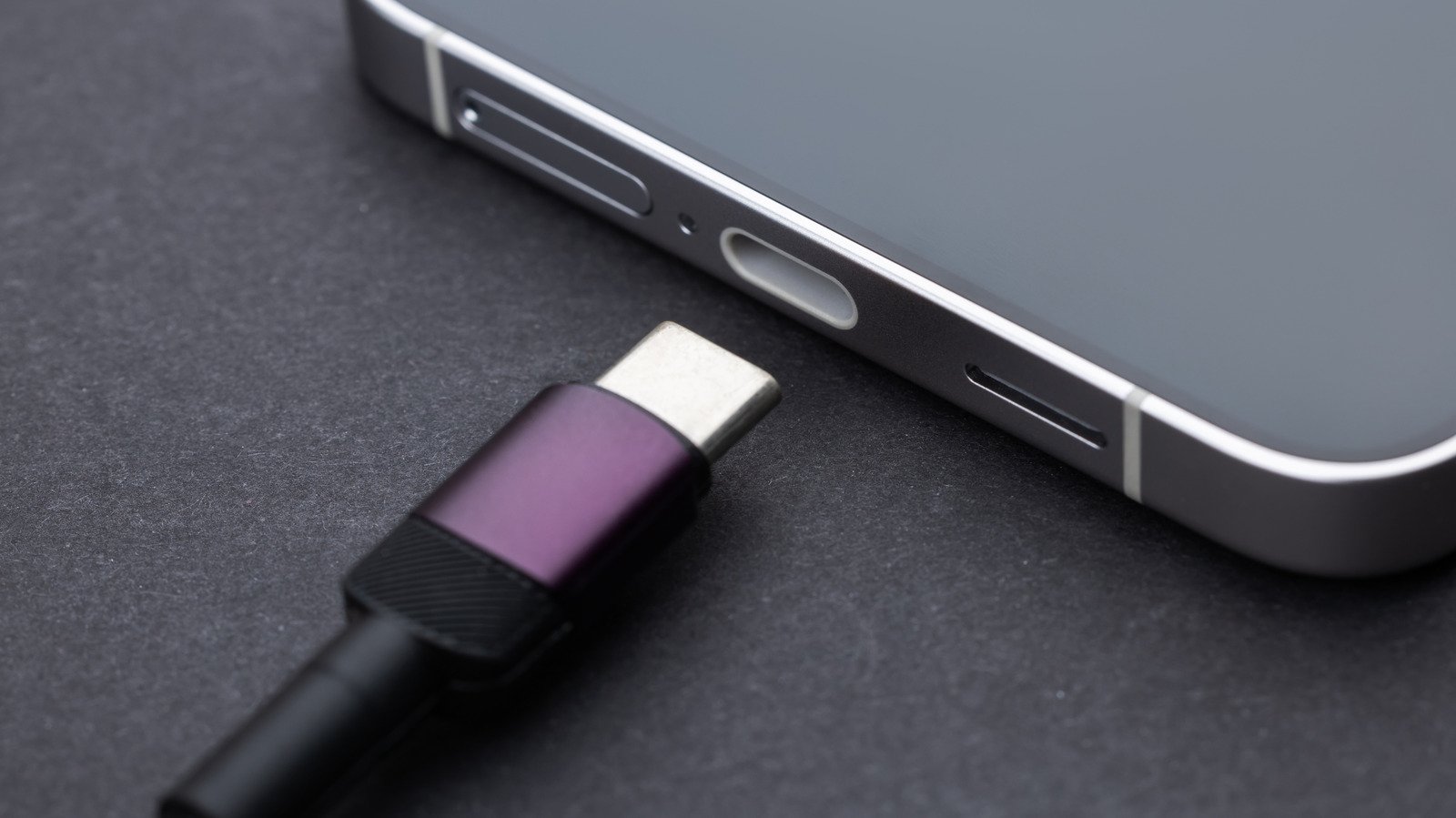
The Evolution of Connectivity Standards
The modern consumer electronic landscape is defined by the demand for high-speed data transfer and efficient power delivery. As devices ranging from smartphones to high-performance workstations shift toward the universal USB-C standard, the reliability of the physical interface has become paramount. Anker has positioned itself at the forefront of this shift, not by reinventing the fundamental protocol, but by engineering a product ecosystem that addresses the common failure points of charging and data cables: mechanical fatigue, thermal degradation, and inconsistent power throughput.
By standardizing their inventory across a wide spectrum of technical specifications, Anker provides a solution for almost any hardware configuration. Whether a user requires a simple USB-A to USB-C link for legacy hardware or a high-bandwidth Thunderbolt connection for professional-grade peripherals, the manufacturer maintains a consistent baseline of quality. This accessibility, combined with a vast range of lengths from 1.7 to 10 feet, allows users to standardize their cable management setups without sacrificing performance.
Engineering for Mechanical Longevity
One of the most persistent frustrations in consumer technology is the premature failure of cables at the strain relief point—the junction between the connector head and the cable jacket. Anker has addressed this by diversifying their durability ratings across various product tiers. Their lineup includes cables rated for 5,000, 12,000, 25,000, and 30,000 bend cycles, effectively allowing consumers to match the durability of the cable to the frequency of its use.
The pinnacle of this engineering effort is the Anker Prime series. These cables are designed for environments where failure is not an option. Rated for over 300,000 bend cycles, these units represent a significant departure from standard manufacturing tolerances. Furthermore, the construction allows the cable to withstand up to 220 pounds of tensile force, ensuring that the internal conductors remain intact under heavy physical stress. Perhaps most impressive is the thermal operating range; the Anker Prime is engineered to function in environments spanning from minus 40 to 176 degrees Fahrenheit. This resilience makes the cable suitable for industrial or field-deployment scenarios where ambient temperature fluctuations would otherwise render standard silicon-jacketed cables brittle or prone to melting.
Power Delivery and Thermal Management
Power delivery remains the most critical function for modern USB-C infrastructure. With devices requiring anywhere from 15 to 240 watts, the potential for hardware damage due to poor-quality cables is a legitimate concern. Anker’s product suite spans this entire range, providing safe, regulated charging protocols. Their inclusion of a 140-watt dual-connector USB-C cable illustrates a focus on efficiency, allowing power-intensive users to charge a laptop and a secondary device simultaneously through a single high-performance path.
The inclusion of USB-IF certification on their 240-watt line is a necessary step toward ensuring compatibility and safety. Certification by the USB Implementers Forum (USB-IF) confirms that the cable adheres strictly to the Power Delivery (PD) 3.1 specification, preventing issues like over-voltage or thermal runaway during high-speed charging. By strictly adhering to these industry standards, Anker mitigates the risks associated with the high-wattage requirements of contemporary flagship laptops and high-performance gaming hardware.
Pricing Structures and Market Positioning
While Anker is widely regarded as a market leader, their pricing strategy reflects a balance between premium performance and competitive accessibility. In the consumer-grade segment, they offer significant value, often packaging multiple cables at an entry price point of approximately $9.99. This allows users to equip their homes and workspaces without the heavy financial burden associated with proprietary, manufacturer-branded replacements.
However, the high-end segment, specifically regarding Thunderbolt 4 and Thunderbolt 5 connectivity, highlights the distinction between general-purpose and professional hardware. Prices for these specialized, high-bandwidth cables remain high, starting at $29.99 and climbing to $39.99 for shorter, high-speed configurations. While these prices represent an investment, they remain competitive against proprietary options from companies like Apple. Although competitors like OWC and Cable Matters may provide lower price points for similar Thunderbolt functionality, Anker’s reputation for widespread availability and consistent retail support ensures they remain the default choice for the average consumer who requires a reliable, readily replaceable solution.
A Holistic Approach to Hardware Ecosystems
The success of Anker in the accessory market is not solely due to the raw specifications of their cables, but rather the comprehensive nature of their catalog. By offering a diverse color palette—including black, white, grey, red, pink, green, and lavender—they allow users to integrate their charging solutions into various office and home aesthetics. This level of customization, paired with a reliable warranty structure that ranges from 18 months to a lifetime on certain models, provides a safety net for the consumer.
Ultimately, the impact of these cables on the broader technology market is one of standardization and reliability. As consumers become more cognizant of the differences between “charge-only” cables and high-performance data-transfer cables, the demand for transparency in specifications has risen. Anker’s commitment to providing clear, durable, and certified cabling products serves as a benchmark for the industry. By focusing on the intersection of physical durability, thermal safety, and broad compatibility, the company ensures that the hardware powering our digital lives can keep pace with the increasing demands of modern processing power.
Disclaimer: This content is auto-generated for informational purposes only.
Source: Read Original News