






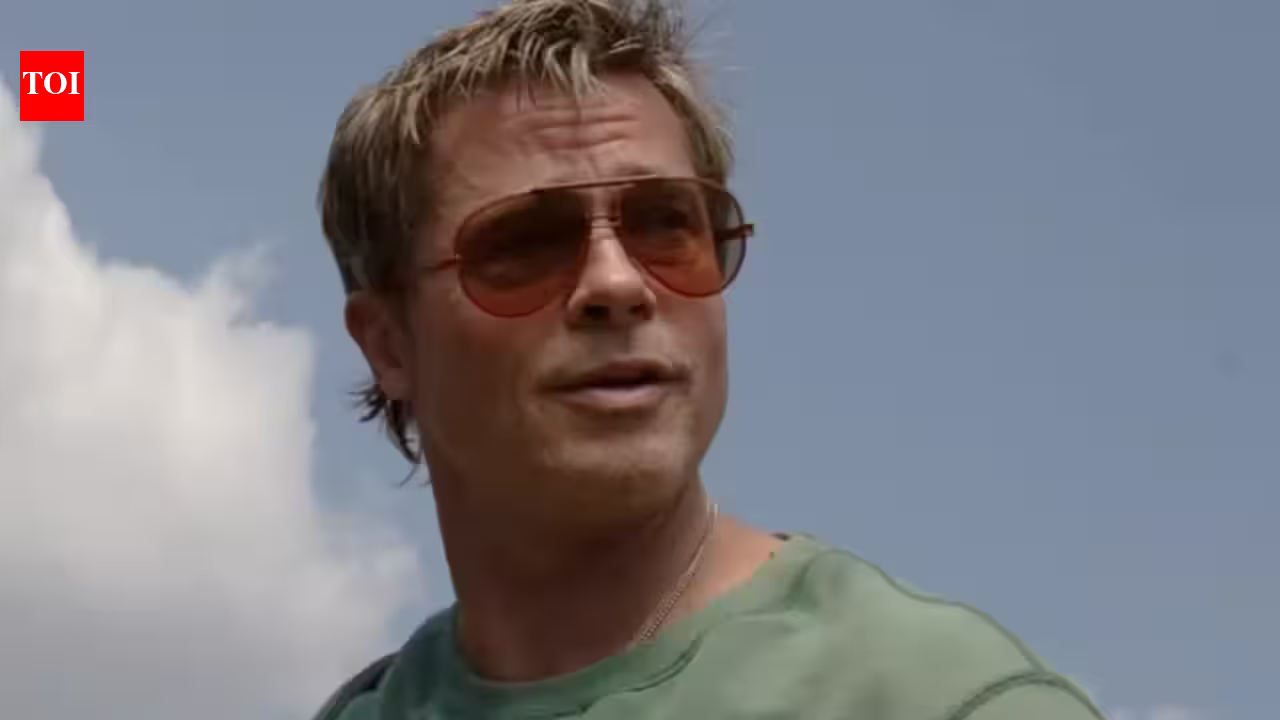
When Hurricane Katrina tore through the Gulf Coast in 2005, the images of the Lower Ninth Ward in New Orleans shocked the world. Among those moved to act was Hollywood titan Brad Pitt. In 2007, fresh off his global stardom, Pitt didn’t just write a check; he sought to redefine disaster relief through high-concept architectural intervention. He launched the Make It Right Foundation, a visionary project that promised to replace the tragedy of the storm with a fleet of sustainable, aesthetically daring, and “hurricane-proof” homes.
For a brief, shining moment, Make It Right was the darling of the philanthropic world. It was a perfect Hollywood narrative: a global icon using his platform and resources to provide safe harbor for some of America’s most vulnerable families. But beneath the veneer of prestige architecture and star power, a storm of a different kind was brewing—one that would ultimately leave the residents of the Lower Ninth Ward caught in a cycle of decay, legal turmoil, and broken promises.
## A Blueprint for Utopia
The foundation’s pitch was intoxicating. Pitt tapped into his own Rolodex to assemble a “dream team” of 21 world-renowned architects, including visionaries like Frank Gehry and Shigeru Ban. The goal was to build 150 homes that were not only affordable but also environmentally conscious and resilient enough to withstand the next Category 5 hurricane.
These weren’t your standard suburban tract homes. They were bold, modern, and filled with “green” innovations. By offering these houses to residents at cost—utilizing forgivable loans and massive subsidies—Pitt created an entry point for low-income families to return to a neighborhood that many had feared was lost forever. At the project’s zenith, it felt like the future of urban recovery had arrived in New Orleans.
## The Rot Beneath the Surface
However, the marriage of avant-garde design and extreme southern humidity proved to be a catastrophic mismatch. The project’s commitment to “green” technology led to the use of experimental, glass-infused wood. Touted as rot-proof and durable, the material instead failed spectacularly in the moist Louisiana environment. Within years, the wood began to disintegrate, compromising the very foundations of the homes it was meant to protect.
Design choices also played a role in the disaster. Many of the homes featured flat roofs and unconventional, sharp-angled aesthetics that looked striking in architectural magazines but were fundamentally ill-suited for the relentless rainfall of the deep South. Water began to pool on the rooftops, leading to widespread leaks, structural water damage, and rampant black mold. What was intended to be a sanctuary became a source of illness and fear for many inhabitants. By the time the foundation ceased operations, the dream of a sustainable utopia had curdled into a reality of toxic mold and crumbling walls.
## The Reckoning: Lawsuits and Accountability
As the physical structures failed, the relationship between the foundation and the homeowners soured. By 2018, the situation had reached a breaking point. A class-action lawsuit was filed against the Make It Right Foundation and Pitt himself, alleging fraud, breach of contract, and gross negligence in the construction process.
The legal proceedings cast a long, dark shadow over Pitt’s philanthropic legacy. Homeowners argued that the foundation had known about the systemic defects but failed to address them, leaving families to foot the bill for homes that were effectively death traps. The narrative had shifted from “the celebrity who saved the Ninth Ward” to “the celebrity who left a community to rot.” The legal battle became a grueling ordeal for the very people the project was supposed to help, turning the community into a symbol of failed good intentions.
## A $20.5 Million Settlement and the Aftermath
In August 2022, a sense of closure—if not total vindication—finally arrived. A $20.5 million settlement was reached to resolve the class-action lawsuit. The settlement, funded largely through an agreement with the environmental organization Global Green, provided a pathway for residents to seek reimbursement for the massive repair costs they had incurred or to sell off properties that had become impossible to inhabit.
The settlement was a quiet end to a very loud project. While the money offers a degree of financial relief, it cannot undo the years of stress, the health issues caused by black mold, or the profound sense of disappointment felt by a community that trusted a celebrity’s vision.
## The High Cost of Good Intentions
Looking back at the Make It Right legacy, it serves as a sobering cautionary tale about the intersection of celebrity philanthropy and complex infrastructure. The project underscores a fundamental truth: architectural integrity is not something that can be achieved through star power alone. When the scale of a mission involves housing families, the margin for error is non-existent.
Brad Pitt’s involvement in New Orleans was undeniably driven by a genuine desire to help, but the execution highlights the dangers of prioritizing high-concept design over the lived realities of a region. As the final remnants of the Make It Right homes are repaired or demolished, the project serves as a permanent, if painful, lesson for those who seek to change the world from the top down. True recovery, it seems, requires more than an A-list name; it requires a deep, uncompromising commitment to the basic, unglamorous necessities of living—a lesson that the residents of the Lower Ninth Ward were forced to learn the hard way.
Disclaimer: This content is auto-generated for informational purposes only.
Source: Read Original News