







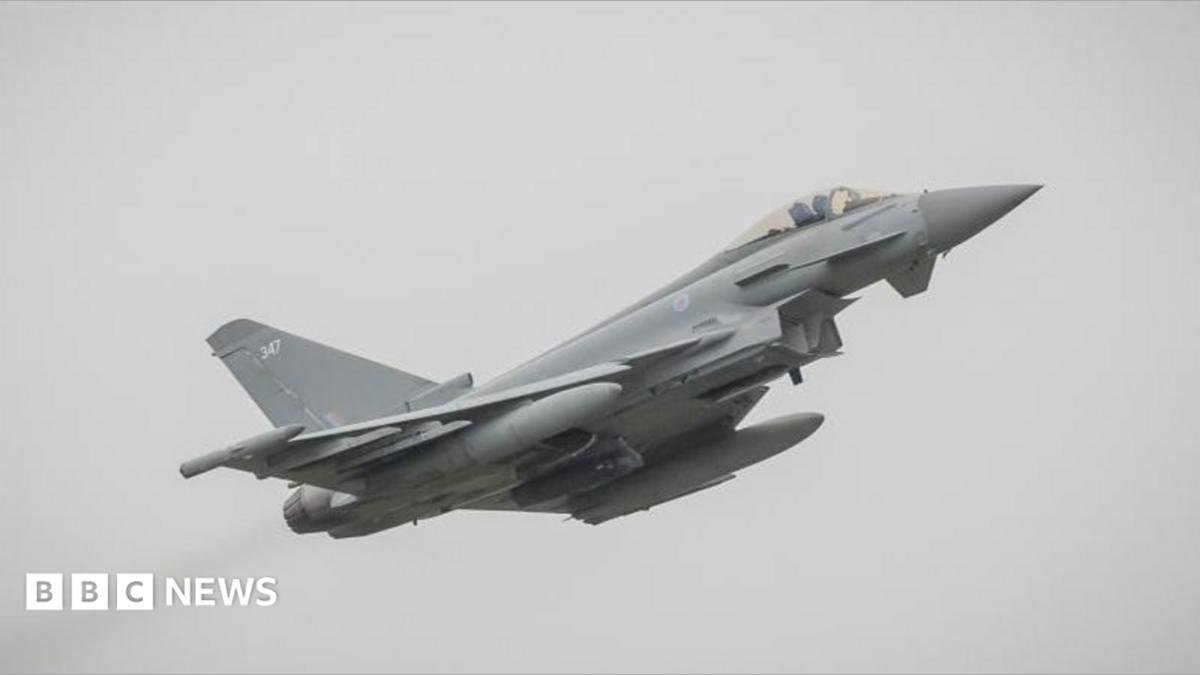
The UK government has announced the immediate deployment of Royal Air Force (RAF) Typhoon jets to Saudi Arabia, marking a significant escalation in Britain’s involvement in the ongoing regional conflict. Prime Minister Andy Burnham authorised the mission in response to a surge in missile and drone attacks launched by the Iran-backed Houthi movement, which have increasingly targeted major urban centres and critical energy infrastructure.
The decision follows a devastating wave of strikes on the Saudi capital, Riyadh. On 10 and 11 October, Houthi-launched projectiles struck King Khalid International Airport, resulting in a tragic toll of 14 deaths and over 300 injuries. These attacks, along with recent assaults on coastal energy sites, have pushed the British government to bolster the defensive capabilities of its long-standing regional partner.
Defence Secretary Wes Streeting confirmed the deployment in a formal written statement to Parliament on Tuesday, moving to quell concerns regarding the potential for further military entanglement. “These aircraft will operate in a strictly defensive role and will not conduct offensive strikes against the Houthis,” Streeting stated. He emphasised that the primary objective is to safeguard Saudi civilians and vital infrastructure from aerial threats.
Beyond the deployment of Typhoon fighter jets, the UK is scaling up its logistical and advisory presence. The government confirmed it will send a contingent of military advisers to work alongside Saudi forces, as well as an RAF A400M transport aircraft tasked with facilitating the rapid movement of defensive equipment across the country.
The Houthis, who have been locked in a brutal, multi-year civil war against Yemen’s internationally recognised government, maintain that their recent aggression is retaliatory. The group has claimed these strikes are a direct response to ongoing coalition operations in territory they control, including the Yemeni capital, Sanaa. The situation remains highly volatile, with both sides trading fire amidst the collapse of broader ceasefire efforts.
The deployment marks a delicate diplomatic move for the Burnham administration. While the government insists the mission is humanitarian and defensive in nature, the move has reignited debates in Westminster about the UK’s military ties to the Saudi-led coalition. Supporters of the move argue that the UK has a moral obligation to protect civilian populations from indiscriminate missile fire, while critics worry that the integration of British assets into Saudi air defences could draw the UK closer to a protracted and bloody conflict.
As the RAF Typhoons prepare for their new mission, military analysts are watching closely to see if this bolstered deterrent will be enough to curb the Houthi offensive or if it will merely serve to escalate the regional tensions further. For now, the British military presence in the Gulf has reached its highest level of operational readiness in years.
Disclaimer: This content is auto-generated for informational purposes only.
Source: Read Original News