








The Paradigm Shift in Railway Catering Governance
The Indian Railways network, often referred to as the lifeline of the nation, serves an astronomical 58 crore meals annually. Given the sheer scale of this logistical operation, maintaining consistent standards of food safety and hygiene has historically remained a complex challenge. Recent developments, however, mark a significant departure from traditional monitoring methods. The Indian Railway Catering and Tourism Corporation (IRCTC) has entered a strategic partnership with the Quality Council of India (QCI) to implement a robust, technology-driven inspection framework. This initiative is designed to address systemic issues by replacing subjective oversight with empirical, data-backed surveillance.
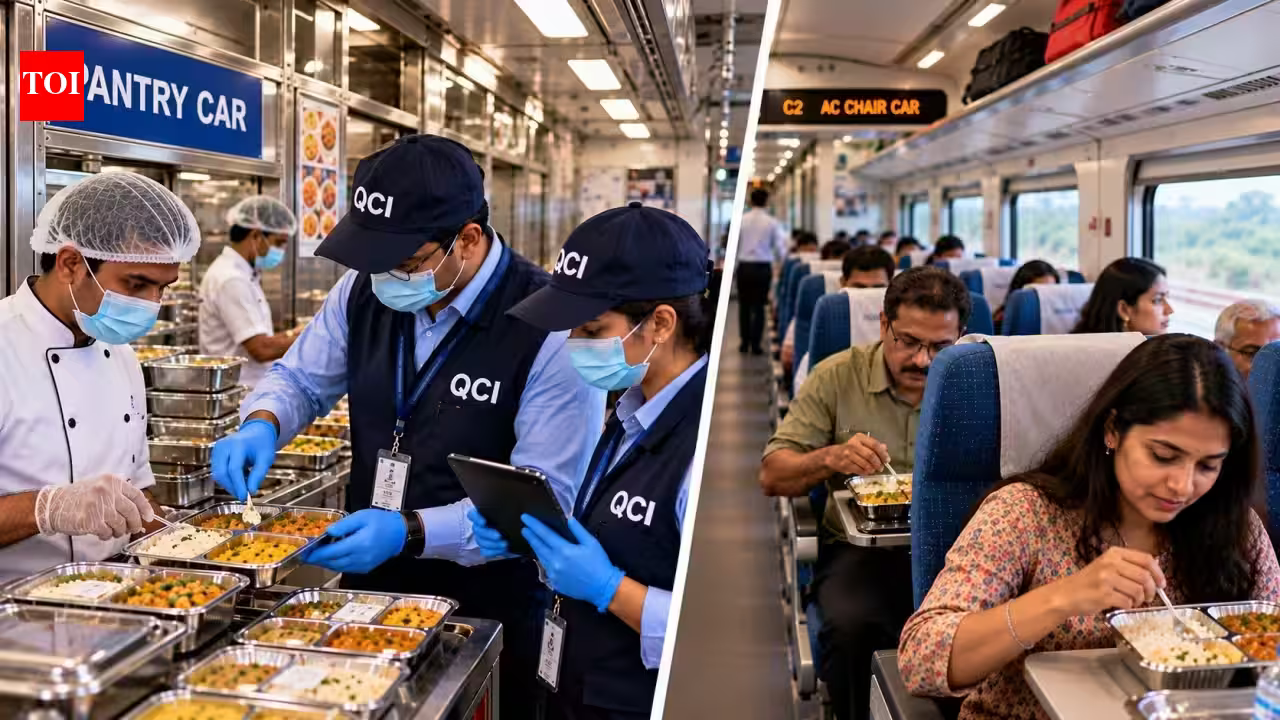
For a corporation the size of IRCTC, managing a diverse ecosystem of base kitchens, pantry cars, and station-based units requires more than routine manual checks. The involvement of an autonomous body like the QCI brings a layer of impartiality that is essential for restoring consumer confidence. By deploying certified professionals to conduct unannounced quarterly and half-yearly audits, the railway administration is signaling a shift toward proactive quality assurance rather than reactive damage control. This transition is indicative of a broader modernization strategy within Indian public sector entities, where digital transformation is being leveraged to improve service delivery and accountability.
Technological Integration for Enhanced Accountability
The cornerstone of the IRCTC-QCI collaboration is the digitization of the inspection process. Previous oversight mechanisms often suffered from human error, delayed reporting, or, in some instances, documentation discrepancies. The new protocol mandates the use of a proprietary mobile application that records findings in real-time. This system requires inspectors to provide geo-tagged, time-stamped photographic evidence for every observation made during an audit.
By eliminating the manual submission of reports, the system minimizes the scope for data tampering. The requirement to submit detailed audit findings within a 24-hour window is particularly noteworthy from an operational standpoint. This high-velocity reporting cycle ensures that if a catering unit is found to be non-compliant, the administration can initiate corrective measures almost immediately. Furthermore, the standardization of documentation allows for a granular analysis of recurring problems. Whether an issue pertains to storage temperatures, staff hygiene, or ingredient sourcing, the data collected will enable the authorities to identify specific bottlenecks and enforce compliance with FSSAI regulations more effectively.
Implications for Food Safety and Operational Excellence
Standardization is the greatest hurdle in a distributed network spanning thousands of kilometers. When food is prepared in base kitchens and transported across various climates and terrains, the risk of contamination or quality degradation increases. The move to incorporate international culinary standards alongside FSSAI benchmarks reflects an ambition to move beyond minimum legal requirements toward a culture of excellence.
For passengers, the impact of these independent audits is direct. By tightening the net on vendors, the railway aims to ensure that the food served on board is not only safe but consistent in its quality. The strategy extends to station-based catering units as well, which are often the primary source of food for short-to-medium distance travelers. By applying the same rigorous screening process to static units as to mobile pantry cars, the IRCTC is creating a cohesive safety net. This holistic approach is essential for maintaining the integrity of the supply chain, from the procurement of raw materials to the final service of the meal.
Strategic Enforcement and Deterrence
While technology and auditing are critical, they must be backed by a credible threat of consequence to ensure compliance. The data suggests that IRCTC has already begun to adopt a zero-tolerance policy toward persistent offenders. The figures are telling: in recent years, the corporation has levied fines amounting to over 5 crore rupees, issued numerous show-cause notices, and moved to terminate contracts or debar licensees.
The publication of debarred vendors on the official IRCTC website serves as a public deterrent, influencing vendor behavior by threatening their long-term business prospects. With the addition of QCI’s independent audit reports, the basis for these punitive actions becomes more ironclad. Vendors can no longer rely on informal arrangements or inconsistent reporting to hide lapses in hygiene. The threat of losing a lucrative railway contract, coupled with the permanent record of violations, incentivizes catering licensees to invest in their own infrastructure—such as better cold storage, improved pest control, and professional training for staff—to stay within the ambit of the new guidelines.
Scaling the Infrastructure for the Future
Modernizing railway catering is not solely about surveillance; it is also about upgrading the physical infrastructure. The IRCTC’s current roadmap includes the installation of CCTV cameras in base kitchens for real-time monitoring and the widespread use of branded raw materials to ensure product quality. These efforts, combined with the new independent audit regime, create a comprehensive model for public-private partnership management.
As Indian Railways continues to expand and upgrade its fleet with high-speed trains and improved passenger amenities, the culinary experience must keep pace. The current initiative acts as a foundational step. By creating a standardized, audit-ready environment, the IRCTC is preparing its systems for a future where high-volume catering must be as efficient and reliable as the train services themselves.
Ultimately, the partnership with the QCI represents a maturing of the Indian railway ecosystem. It recognizes that in a digital-first economy, passengers demand transparency as much as they demand value for money. By embracing objective, technology-led governance, the Indian Railways is setting a precedent for how large-scale service sectors can improve performance through rigorous quality control, creating a sustainable model that benefits both the service provider and the traveling public. As these quarterly and half-yearly cycles begin to yield longitudinal data, it is expected that systemic lapses will be identified and rectified with increasing speed, cementing a new era of professionalism in railway catering.
Disclaimer: This content is auto-generated for informational purposes only.
Source: Read Original News