






Integrating Personal Data into the Automotive Environment
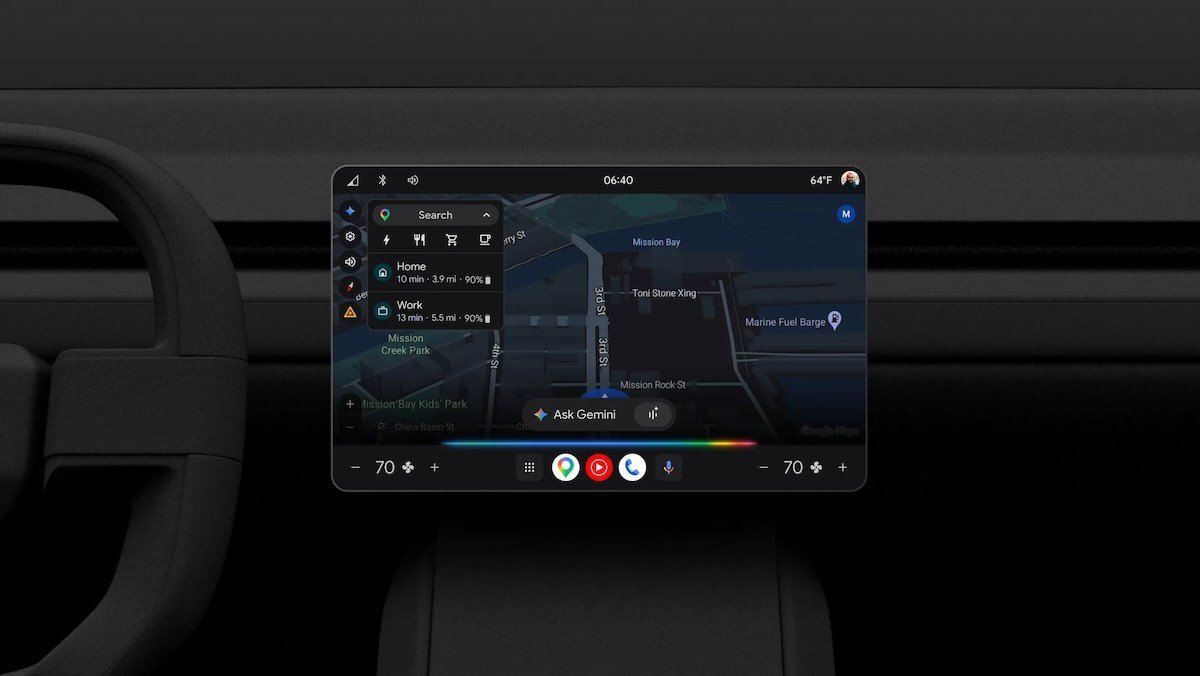
The landscape of automotive artificial intelligence is undergoing a significant transformation as Google expands its Gemini integration. Starting in 2026, the company introduced Personal Intelligence to its generative AI platform, allowing the model to synthesize information from a user’s personal digital ecosystem—including emails, calendar entries, and photo libraries—to generate highly contextual responses. While this functionality has been available on mobile devices and web browsers, Google is now extending these capabilities to Android Auto and vehicles equipped with Google built-in systems.
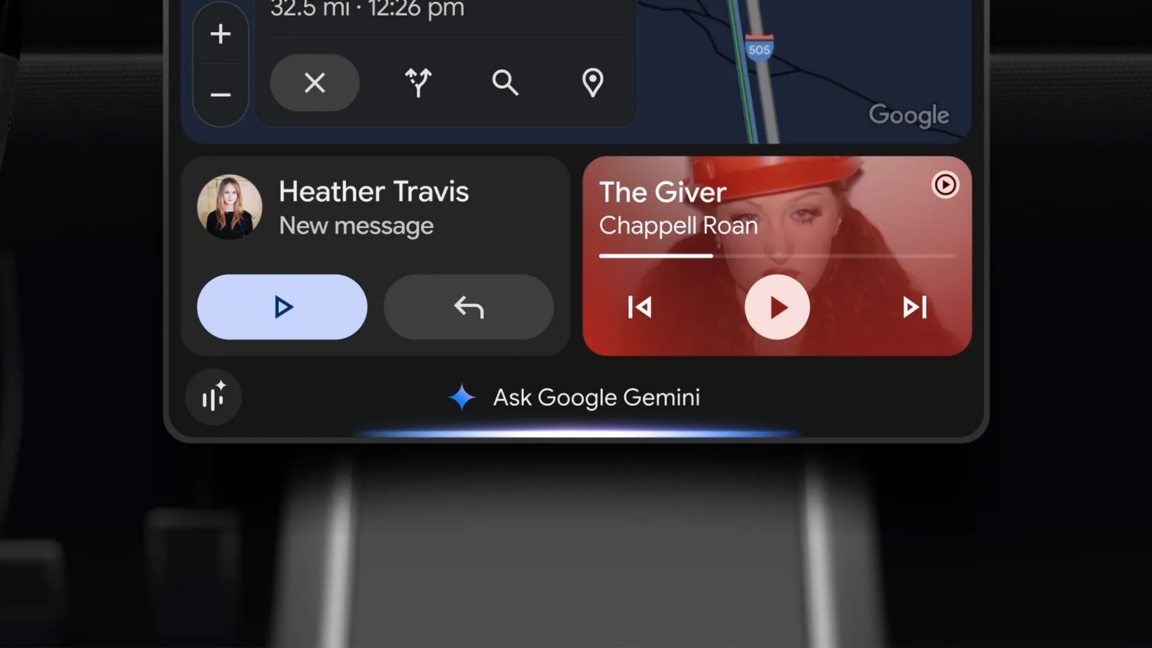
By bringing Personal Intelligence to the dashboard, Google aims to reduce the friction inherent in voice-controlled automotive interfaces. The core premise is that an AI system performs more effectively when it possesses a comprehensive understanding of the user’s specific context. Instead of requiring explicit, detailed commands, the system can infer intent based on the vast repository of personal data stored within the user’s Google account. This shift is intended to keep the driver’s focus on the road, minimizing the need for manual navigation inputs or complex verbal instructions.
Functionality and Practical Use-Cases
The practical application of Personal Intelligence in a vehicle centers on the automation of routine tasks that would otherwise require multiple steps on a smartphone. For instance, a driver can now initiate navigation by stating, “take me to my doctor’s appointment.” Gemini, operating within the vehicle’s infotainment system, automatically retrieves the time and location details from the user’s connected calendar, calculates the route, and prepares the navigation interface.
Beyond scheduling, the system leverages visual data analysis. If a user has previously taken a photo of a restaurant menu, a business card, or a specific landmark, Gemini can scan these images within the user’s Google Photos library to identify addresses. The AI then uses this extracted information to provide navigation guidance directly on the dashboard display. This capability transforms the vehicle’s infotainment screen into an extension of the user’s digital workspace, enabling a more seamless transition between planning activities at home and executing them on the road.
Distinguishing Between Android Auto and Google Built-in
Google’s rollout strategy highlights a distinction between two primary automotive platforms. Android Auto functions by mirroring the interface of a smartphone onto the vehicle’s display, essentially offloading the processing power to the handset. Conversely, vehicles with Google built-in run the Google software directly on the car’s infotainment hardware, bypassing the need for a connected phone.
Historically, Google has prioritized Google built-in systems for its most advanced software updates, often leaving Android Auto users waiting. In this instance, the company has reversed that trend, initiating the Personal Intelligence update on Android Auto first. This decision suggests an effort to provide immediate value to a broader segment of the driving population. Vehicles with Google built-in systems are scheduled to receive the same functionality within the coming months, ensuring feature parity across both platforms as the integration matures.
Privacy Controls and User Agency
A critical aspect of the rollout is Google’s commitment to maintaining Personal Intelligence as an optional feature. The integration of personal data into a generative AI model naturally invites scrutiny regarding data security and user privacy. By keeping the feature opt-in, Google allows users to decide whether they are comfortable with the AI accessing their private records during their commute.
This emphasis on agency is designed to balance the convenience of hyper-personalized assistance with the necessity of user control. Since the AI relies on existing information within the user’s Google account—data that the company already manages—Google positions this as a distinct competitive advantage. By utilizing data the user has already generated rather than asking them to manually provide context for every interaction, the system aims to create a more fluid user experience. However, the requirement for users to explicitly enable this access ensures that the boundaries of data usage remain firmly under the user’s management.
The Future of Context-Aware Driving
The integration of Personal Intelligence into the vehicle environment marks a significant step toward the realization of proactive AI in transportation. As the complexity of automotive software increases, the ability of an AI to act as an intelligent agent rather than a simple voice command tool becomes increasingly valuable. By merging real-time telemetry with long-term personal data, the vehicle’s infotainment system evolves from a static interface into a dynamic assistant.
Looking forward, this development sets the stage for further automation in the automotive space. As Gemini becomes more adept at parsing personal data, users can expect more sophisticated assistance, such as summarizing upcoming schedules during a commute or proactively identifying traffic delays based on the priority of the day’s appointments. While the current implementation focuses on calendar and photo integration, the underlying technology signals a shift toward a future where the vehicle is fully integrated into the user’s personal workflow, provided that privacy remains a cornerstone of the development process.
Disclaimer: This content is auto-generated for informational purposes only.
Source: Read Original News