





The Strategic Logic Behind a SpaceX-Tesla Consolidation
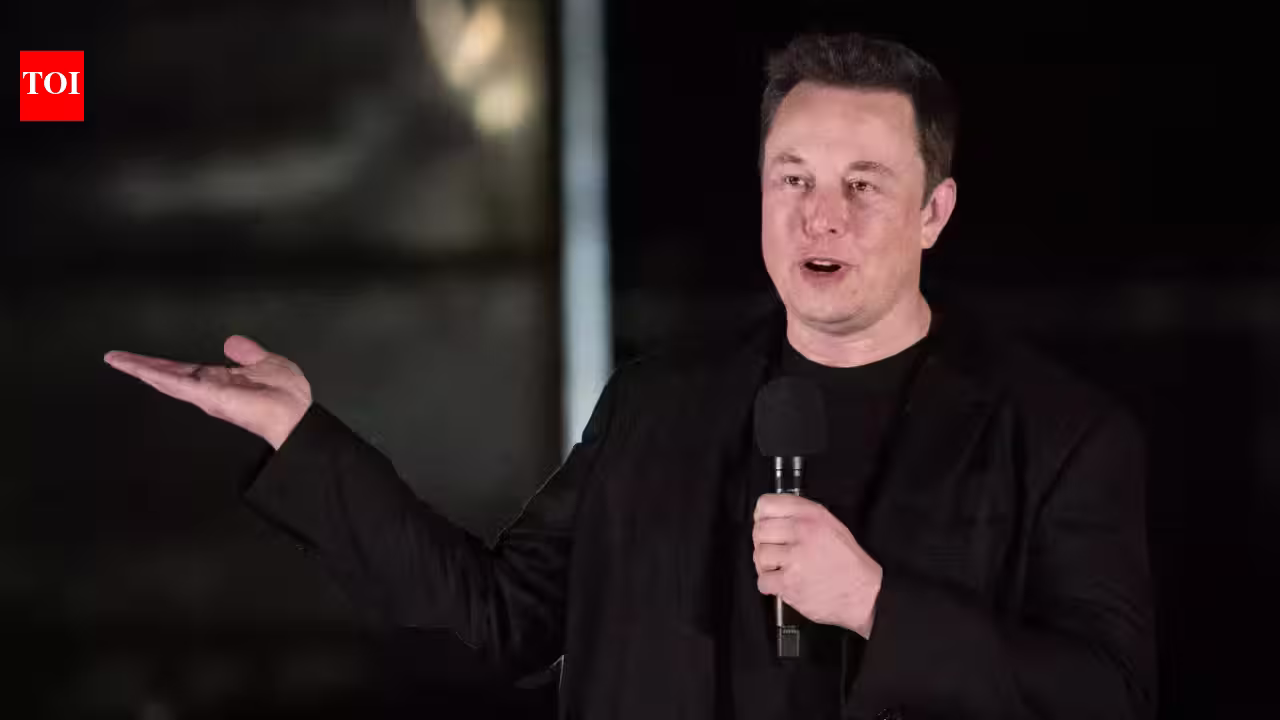
The possibility of a merger between SpaceX and Tesla represents one of the most ambitious corporate realignments in modern industrial history. By combining a global leader in electric mobility and energy storage with a dominant force in aerospace and satellite connectivity, Elon Musk is proposing an integration that transcends traditional sectoral boundaries. The primary driver for this consolidation appears to be the convergence of technologies that require massive capital investment and shared technical expertise.
For Tesla, the integration of SpaceX’s aerospace capabilities could redefine the supply chain for materials and hardware. Simultaneously, SpaceX, which has transitioned into a profit-generating entity, can leverage Tesla’s manufacturing prowess to scale its Starlink infrastructure. Analysts view this as an attempt to create a vertical powerhouse that controls the entire stack of human advancement—from energy and transportation on the ground to communication and computing in orbit. By removing the silos between these entities, the combined company could potentially reduce long-term operational costs and accelerate the rollout of high-compute AI systems that depend on the physical hardware both companies produce.
Financial Performance and the AI Inflection Point
SpaceX’s recent financial results have acted as the primary catalyst for these merger discussions. Reporting a profit of $4.4 billion in the third quarter marks a definitive shift from capital-intensive development to sustainable scaling. Crucially, the 161 percent year-on-year revenue growth is no longer derived solely from rocket launches; it is increasingly tied to the commercialization of AI computing infrastructure. With AI revenue surging to $7.56 billion, SpaceX has effectively repurposed its data-center capabilities to support major tech developers.
This financial milestone provides the necessary leverage for a merger. Tesla, which is currently navigating the complexities of the global electric vehicle transition and the heavy investment required for autonomous driving, stands to benefit from the immediate cash flow and technical infrastructure of a profitable partner. The scale of the projected revenue for SpaceX—potentially reaching the trillion-dollar mark by 2027—positions the company as an ideal anchor for a larger conglomerate. For shareholders, the move signifies a transition toward a “super-firm” that manages high-growth, high-tech assets rather than relying on the traditional cyclicality of the automotive market.
Starlink and the Global Connectivity Landscape
Starlink remains the most tangible bridge between the two companies. As the satellite constellation grows to over 13.6 million subscribers, its role in global connectivity has shifted from a niche service to a critical component of digital infrastructure. While the reduction in average revenue per user—from $99 to $69—suggests a strategic push for mass-market adoption in developing regions, it also underscores the need for greater manufacturing efficiency.
In an Indian context, this development is particularly pertinent. India’s digital economy is expanding rapidly, with an increasing demand for high-speed connectivity in remote and underserved regions. A merger that integrates Tesla’s technological ecosystem with Starlink’s reach could significantly influence how satellite broadband is deployed and integrated with terrestrial hardware in the Indian market. As local firms and global competitors vie for control of the satellite internet spectrum in India, the combined financial muscle of a merged Tesla-SpaceX entity would likely disrupt existing service models, forcing a recalibration of connectivity pricing and deployment speeds across the sub-continent.
Regulatory Hurdles and Shareholder Sentiment
Despite the clear technical and financial synergies, the path to a merger is fraught with governance challenges. Elon Musk has explicitly stated that he is a “conflicted party,” necessitating the creation of special committees to evaluate the fairness and viability of the deal. In the United States, such maneuvers face intense scrutiny from market regulators and institutional investors concerned about the concentration of power and potential conflicts of interest.
Shareholder approval is the final, and perhaps most difficult, hurdle. Tesla investors, who have historically focused on automotive delivery numbers and energy storage growth, may be wary of the extreme volatility associated with aerospace and the heavy capital expenditure required for Starship development. However, if the narrative shifts toward AI and connectivity, the merger could be presented as a move toward long-term value creation. In India, where shareholder activism and corporate governance standards have matured significantly, any such cross-border merger involving an Indian subsidiary or entity would require careful navigation of complex tax and regulatory frameworks. The Indian business community will be watching closely to see how these special committees handle the valuation of intangible assets like AI intellectual property and proprietary satellite hardware.
Long-term Outlook for the Integrated Entity
The long-term vision articulated by Musk rests on the success of Starship and the continued expansion of high-compute infrastructure. If the merger proceeds, it will create a platform that essentially manages the “Internet of Things” on a planetary scale. By managing the physical launch of satellites, the data centers that process the information, and the autonomous vehicles that transmit and act upon that data, the company would become the most critical infrastructure provider in the global economy.
For India, this could mean faster access to advanced technological integrations. If the combined company successfully scales its AI operations, the resulting efficiencies could lower the cost of entry for satellite-based technologies in the Indian market. However, the consolidation also raises questions about market dominance and the ability of local players to compete with a entity that controls its own launch vehicles, communication satellites, and primary computing hardware.
In conclusion, the proposed SpaceX-Tesla merger is not merely a corporate reshuffle; it is a calculated bet on the future of integrated technology. While the immediate focus is on profitability and AI revenue, the deeper goal is the creation of an infrastructure giant capable of bridging the gap between orbit and the asphalt. As the special committees deliberate, the global business community, including the rapidly evolving Indian tech sector, remains at a crossroads, waiting to see if this marriage of aerospace and automotive innovation will set the template for the next generation of industrial conglomerates.
Disclaimer: This content is auto-generated for informational purposes only.
Source: Read Original News