








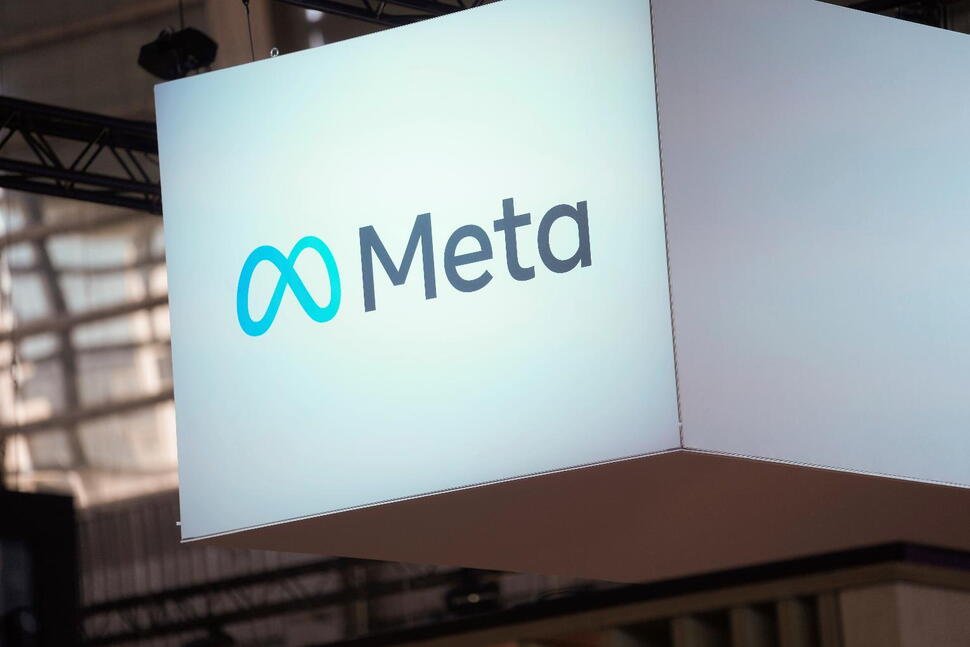
A New Mexico judge has ordered Meta Platforms to pay $25 billion following a high-stakes legal battle centered on allegations that the tech giant deceived users regarding its privacy practices and content moderation standards. The ruling, delivered by Judge Francis Mathew, marks one of the most significant legal penalties ever imposed on a major technology corporation, though the state had originally requested a figure between $35 billion and $40 billion.
The penalty stems from a jury verdict reached in September, which found Meta liable for over 43 million violations of New Mexico’s consumer protection laws. The case was primarily linked to the infamous Cambridge Analytica scandal, where the political consulting firm harvested data from millions of Facebook profiles to influence voters during the 2016 U.S. presidential election.
## A Legal Outlier in the Tech Industry
While 48 other states previously signed a collective settlement with Meta regarding the Cambridge Analytica fallout, New Mexico opted to pursue litigation independently. Along with Florida, it was one of the few jurisdictions to refuse the nationwide deal, which included broad liability releases for the company.
Attorneys representing New Mexico argued that a massive financial penalty was necessary to force a change in the way “tech titans” operate. They contended that smaller fines are viewed merely as a cost of doing business by Silicon Valley giants. In contrast, Meta’s defense team maintained that the $25 billion sum is unconstitutional, arguing that it violates due process and would not survive an appeal. Meta’s lawyers had advocated for a much lower penalty, capped at $3.4 billion.
## Disputes Over Harm and User Privacy
A central pillar of the trial involved how the court counted violations. The jury ultimately accepted the state’s argument that Meta’s misleading privacy claims affected more than just active users—they allegedly misled the entire population of New Mexico. By calculating these misrepresentations across millions of individuals, the state arrived at a total exceeding 43 million separate violations of consumer protection law.
Meta has vehemently contested the evidence of actual harm. During hearings, defense attorney Matt Nicholson argued that the state failed to demonstrate that any New Mexican resident suffered tangible injury from the company’s public statements. While the jury found the company liable on numerous counts, they did side with Meta on one key issue: the state failed to prove that the company’s claims regarding the removal of harmful content, including COVID-19 misinformation, were intentionally deceptive.
## Future Implications for Meta
New Mexico Attorney General Raúl Torrez has announced that the awarded funds will be allocated to a state education trust. However, the litigation is far from over. Meta has already signaled its intent to appeal, a process that will likely delay the payout for years. During this period, interest on the penalty will continue to accumulate, though the company hopes to successfully challenge the methodology used to calculate the 43 million violations, which could significantly lower the final amount.
This verdict represents a significant escalation in the ongoing tension between regulators and the world’s largest tech companies. As Meta continues to integrate advanced artificial intelligence across its platforms, this case serves as a stern reminder of the persistent scrutiny surrounding data harvesting and the responsibility of social media entities to protect their user base. For now, the ruling stands as a landmark warning to the tech industry that state-level consumer protection laws can yield massive financial consequences, even when compared against the bottom lines of the world’s wealthiest corporations.
Disclaimer: This content is auto-generated for informational purposes only.
Source: Read Original News