








Concerns Mount Over Electoral Integrity: Opposition and Activists Question Special Intensive Revision Process
In a growing controversy surrounding the electoral landscape in India, a coalition of opposition parties, student organizations, and independent civil society critics has raised serious allegations against Chief Election Commissioner (CEC) Gyanesh Kumar. The controversy centers on the recently concluded Special Intensive Revision (SIR) of electoral rolls, with detractors claiming the exercise has been manipulated to create an unfair advantage for Prime Minister Narendra Modi’s Bharatiya Janata Party (BJP).
The accusations center on the methodology and the timing of the SIR, a process typically intended to ensure the accuracy and inclusivity of voter lists. However, critics argue that the systemic changes implemented under the current leadership of the Election Commission of India (ECI) have compromised the neutrality of the democratic process.
Allegations of Selective Deletion and Bias
Opposition leaders have voiced deep skepticism regarding the sudden fluctuations in voter demographics observed in several key constituencies. During a joint press conference held earlier this week, representatives from several major opposition blocs alleged that the SIR process resulted in the mass deletion of names belonging to specific demographic groups known to be unfavorable to the ruling party.
“The integrity of the electoral roll is the foundation of our democracy,” stated a spokesperson for a leading opposition party. “When the process for updating this foundation becomes shrouded in secrecy and perceived bias, the entire legitimacy of the upcoming electoral cycle is called into question. We have seen a pattern where names of marginalized communities and urban voters appear to have been removed without proper verification.”
Student Groups and Civil Society Join the Fray
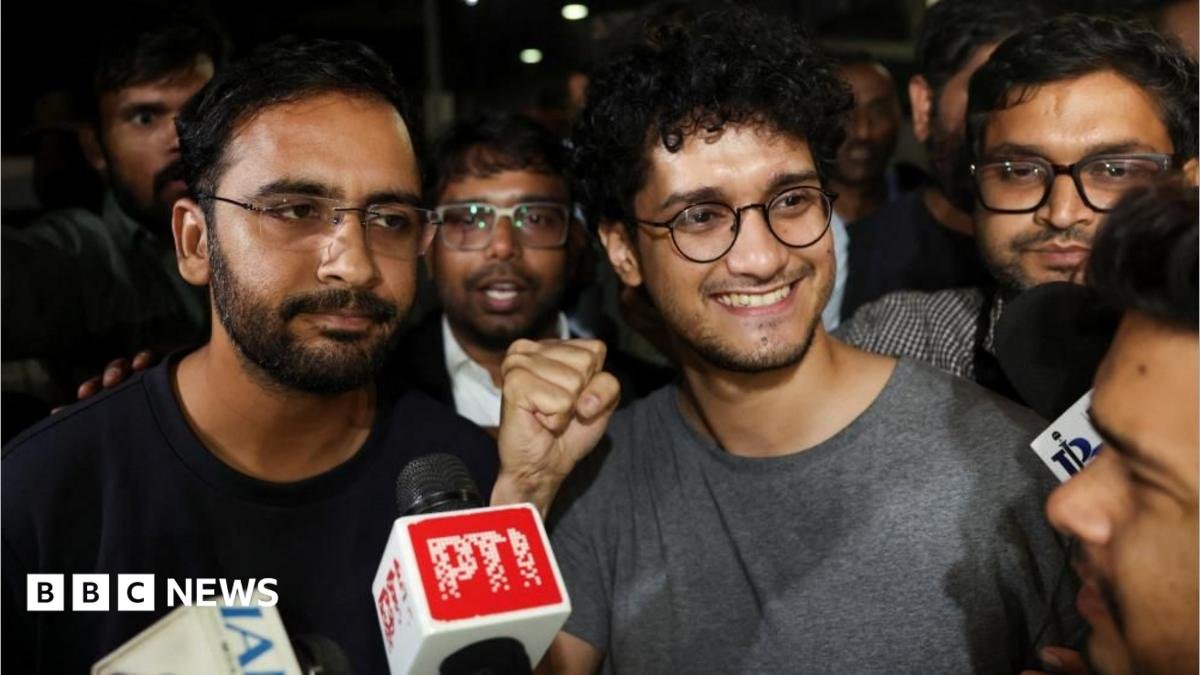
Beyond the political arena, student unions have taken to the streets in various university hubs to protest what they describe as “the saffronization of the voter list.” Protesters argue that the revised rolls contain discrepancies that could disenfranchise thousands of first-time voters—a segment of the population that has historically shown high levels of engagement with opposition narratives.
Independent election monitors have also begun auditing the revised data. Some observers note that the pace at which the SIR was conducted left little room for public grievance redressal, a hallmark of previous, more transparent revision exercises. Concerns are being raised that the ECI under CEC Gyanesh Kumar has prioritized administrative speed over the rigorous standard of inclusivity required for a fair election.
The ECI’s Stance
In response to the mounting pressure, the Election Commission has maintained that the SIR process was conducted in strict accordance with established legal frameworks and constitutional mandates. Officials from the commission have dismissed the allegations of political bias as “baseless” and “politically motivated,” asserting that the revision was designed to weed out duplicate entries and ensure that the electoral rolls remain current and accurate.
An ECI spokesperson noted that all deletions and additions were processed through a digital portal and were subject to verification by field officers. However, the commission has yet to address specific complaints regarding the geographic distribution of these changes.
A Litmus Test for Institutional Trust
As the political temperature rises, the controversy over the electoral rolls serves as a reminder of the fragility of institutional trust. For the opposition, the SIR is not merely a bureaucratic task but a tactical tool for electoral engineering. For the government, the exercise is a routine administrative function necessary for maintaining a clean voting list.
With the next general election cycle approaching, the demand for an independent, third-party audit of the revised rolls is gaining momentum. Whether the ECI will bow to these demands or press forward under the current cloud of suspicion remains to be seen. In the interim, the debate over the impartiality of CEC Gyanesh Kumar’s office is set to remain a focal point of the national discourse, underscoring the deep polarization currently defining the Indian political environment.
Disclaimer: This content is auto-generated for informational purposes only.
Source: Read Original News