





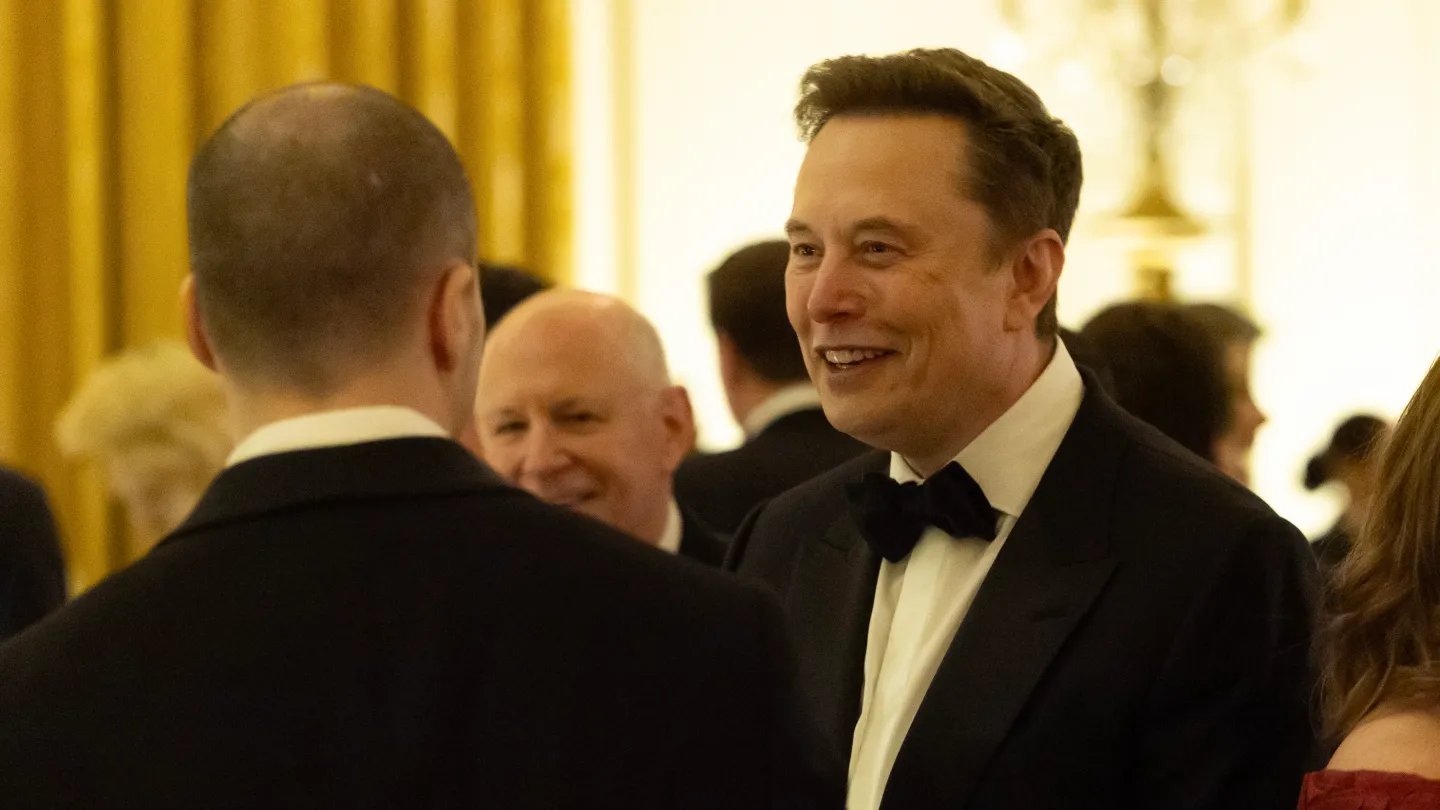
Elon Musk’s latest financial move is sending shockwaves through Hollywood, as the tech mogul pivots from space exploration and social media toward the core of the entertainment industry. According to recent reports, Musk has initiated a $1 billion investment in Skydance Media, the powerhouse production house currently led by David Ellison. Industry insiders, including Liberty Media’s John Malone, suggest this is merely the opening act of a larger strategy that could see Musk pour between $8 billion and $10 billion into the company, effectively cementing a major foothold in legacy media.
A Strategic Entry into Content Ownership
While Skydance’s leadership may welcome the capital to help manage the debt incurred during their acquisition of Warner Bros., the broader implications of Musk’s entry are far more significant. An investment of this magnitude—potentially securing Musk a 15% stake—would grant him a seat at the table for high-level decision-making.
For Musk, this is about more than just a portfolio expansion; it is about vertical integration. By aligning himself with the vast content libraries of Paramount and Warner Bros., Musk gains a direct pipeline for his platform, X. If hit series like The Last of Us or Game of Thrones were to become available on X, the platform would transition from a simple social media hub into a formidable streaming competitor. This move would also allow Musk to leverage Skydance’s seasoned ad-sales team, a critical asset for a platform that has struggled to stabilize its advertising revenue.
The Convergence of Pipes and Content
The synergy between Musk’s existing assets and a potential media empire is unprecedented. With Starlink rapidly expanding its reach and the company actively acquiring spectrum to compete with major mobile carriers, Musk is inching toward a level of control over both the delivery of information (the “pipes”) and the content consumed (the “media”).
If the current trajectory continues, a single individual could effectively control the infrastructure for internet connectivity while holding significant influence over the studios producing major news and entertainment. This raises urgent questions regarding editorial independence. With critical voices like John Oliver and Jake Tapper currently operating under the corporate umbrellas that Musk is looking to influence, the potential for conflicts of interest—especially given Musk’s outspoken political affiliations and massive campaign contributions—is becoming a central point of debate for industry regulators and media critics alike.
Regulatory Hurdles and the Future of Media
The question remains: who, if anyone, has the power to curb this rapid expansion of influence? Many analysts point toward a regulatory environment that is increasingly favorable to Musk’s ambitions. Current FCC leadership has shown a willingness to align with the tech mogul’s goals, making federal intervention unlikely in the near term.
Meanwhile, Wall Street has largely cheered Musk’s expansionist tactics. Recent buzz surrounding a potential merger between Tesla and SpaceX has already pushed valuations higher, providing Musk with the liquidity needed to continue his shopping spree. As seen in the recent Alex Gibney investigative documentary, critics have long warned that Musk’s “win-at-all-costs” philosophy is not just a personality trait but a roadmap.
As Musk maneuvers to become one of the most powerful media moguls in American history, the industry is left to wonder if it is repeating the mistakes of the 2022 Twitter acquisition. Having underestimated his intent to purchase that platform, media stakeholders are now watching closely to see if he will once again reshape an entire industry in his own image, regardless of the outcry from traditional media institutions.
Disclaimer: This content is auto-generated for informational purposes only.
Source: Read Original News