






The Evolution of the COROS DURA 2 SOLAR
The release of the COROS DURA 2 SOLAR marks a significant shift in strategy for the brand. While the original DURA unit gained a cult following for its exceptional battery life and accessible price point, the successor moves firmly into the premium tier of cycling technology. With a retail price of $499 for the unit alone—or $549 when bundled with the new, sleeker aluminum mount—COROS is repositioning its hardware to compete directly with high-end GPS computers.
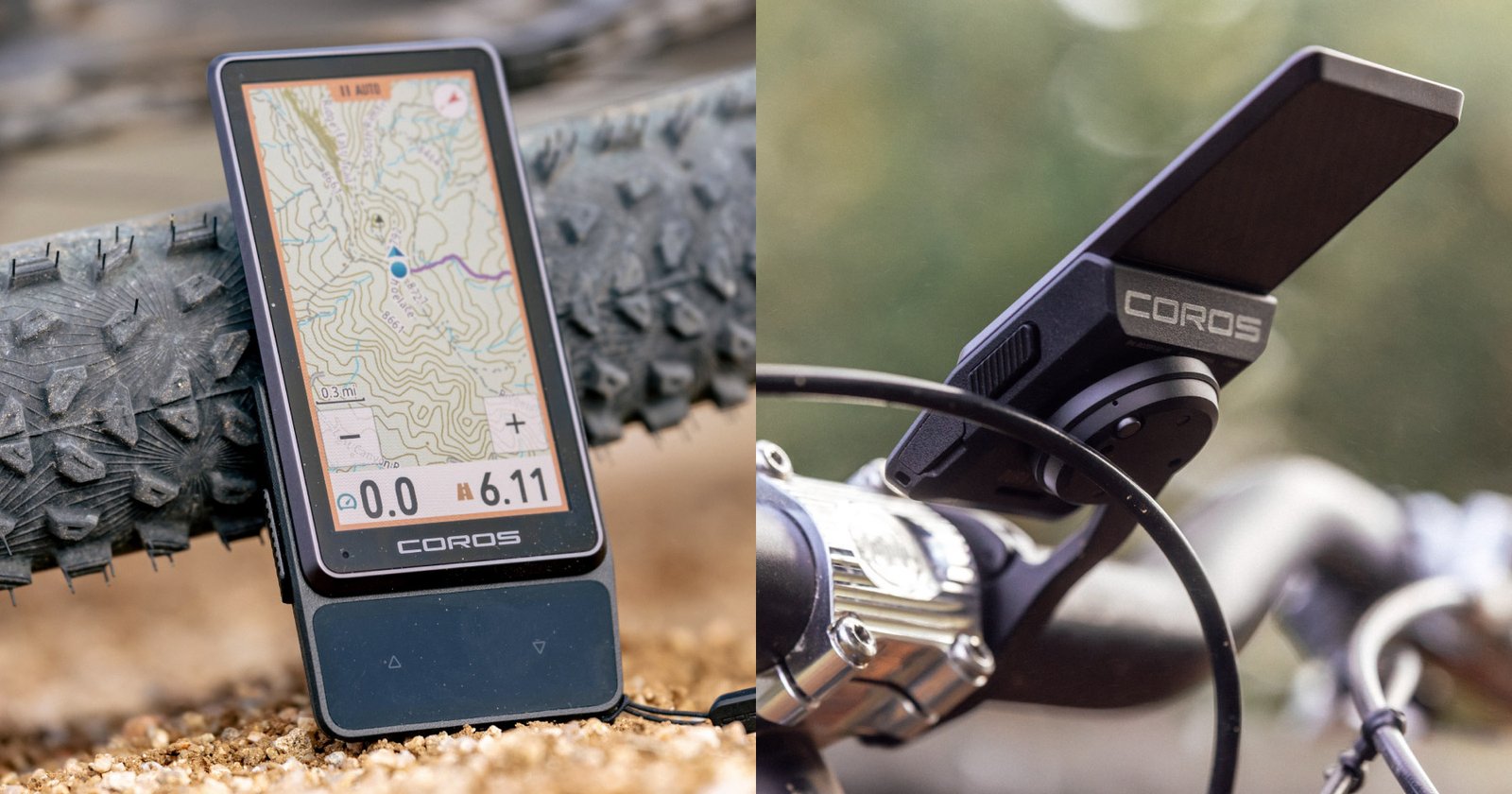
This update introduces a carbon-and-alloy chassis that maintains a lightweight profile of 100 grams while pushing toward an aerodynamic, ultra-thin design. The upper section of the device measures just 5.7mm in thickness, making it the thinnest head unit currently available in this category. Despite the premium hardware upgrades, the device retains the core identity that made its predecessor a favorite for endurance athletes: the promise of 120 hours of battery life, augmented by solar charging capabilities.
Refining the Hardware and User Interface
The most noticeable transition in the DURA 2 SOLAR is the overhaul of the control scheme and display. Gone is the oversized, watch-style scroll dial that defined the original unit. In its place, COROS has implemented two responsive haptic buttons flanking the bottom of the device, paired with a significantly improved touchscreen. This interface is supported by a 3.5-inch Memory-in-Pixel (MIP) display.
The move to a 17:9 aspect ratio and a 201 pixels per inch density addresses previous criticisms regarding screen real estate. The display delivers high readability in direct sunlight, a hallmark of MIP technology, while the internal processing speeds have been substantially boosted. This increase in compute power makes tasks like map panning, pinch-to-zoom, and menu navigation feel fluid, bridging the gap between a traditional cycling computer and a modern smartphone experience.
Solar Charging and Design Considerations
The integration of solar technology has seen a design shift. The solar array has been relocated from the top of the unit to the area below the screen. COROS asserts that this new, 17% larger panel is 25% more efficient at harvesting energy. In ideal conditions, the manufacturer claims the system can recover up to two hours of battery life for every hour of riding.
However, this placement introduces a variable for long-distance cyclists to monitor. Because the panel is now positioned lower on the unit and angled toward the rider, it may be more susceptible to shading depending on the rider’s position and the orientation of the mount. While the 120-hour battery benchmark remains consistent with the original DURA, the effectiveness of the solar augmentation in real-world, varied lighting conditions is a primary area for continued evaluation.
Advanced Navigation and Integration
Navigation remains the cornerstone of the DURA 2 SOLAR experience. The device benefits from faster processing, which allows for near-instantaneous map interactions. Users can toggle between North-up and direction-of-travel orientations easily, a feature that was previously clunky on early versions of the original hardware. A significant addition is the Hybrid map mode, which merges topographical data with traditional landscape details to provide better situational awareness on unfamiliar trails.
Beyond mapping, the DURA 2 SOLAR expands its ecosystem features. It includes a built-in bike alarm that triggers an audible warning and sends an alert to the user’s phone if unauthorized movement is detected within Bluetooth range. Furthermore, the unit supports seamless integration with various accessories, including electronic drivetrains, radar lights, and even remote control for action cameras like the Insta360 series. These features aim to consolidate control on the head unit, reducing the need for riders to reach for their phones during a ride.
The Impact of the New Premium Strategy
The decision to transition the DURA line toward a premium price point presents a challenge for long-term users who valued the brand’s previous affordability. By discontinuing the original DURA, COROS has removed its entry-level, high-value alternative from the market. While the DURA 2 SOLAR represents a major technical step forward—offering faster performance, a superior display, and better build materials—the $250 price jump makes it a significant investment.
For the serious endurance rider or bikepacker, the improvements in map responsiveness and the refined haptic interface may justify the cost. However, the move signals that COROS is no longer content being the “budget” brand, opting instead to compete on features and polish. As the DURA 2 SOLAR enters the field, its success will depend on whether its software stability and hardware performance can hold up under the rigor of long-term use, especially as riders look for a reliable partner for multi-day excursions.
Disclaimer: This content is auto-generated for informational purposes only.
Source: Read Original News