







The Rise of Arm-Based Performance
The landscape of high-performance mobile computing is undergoing a significant shift, marked by the arrival of the RTX Spark processor. Much like the transition seen with Apple silicon in modern MacBook Pros, the RTX Spark leverages an Arm-based architecture to deliver efficiency without compromising power. At its core, this architecture pairs a high-efficiency central processing unit with a robust integrated graphics processing unit, supported by a substantial amount of unified memory. This integration allows for sustained performance across intensive tasks, bridging the gap between traditional power-hungry laptops and mobile-first energy efficiency.
Lenovo has emerged as a key player in this transition, most notably with its new 16-inch Yoga 2-in-1 convertible. While many Windows laptops today utilize Nvidia-based graphics in standard clamshell configurations, the RTX Spark-powered Yoga distinguishes itself by blending extreme processing capabilities with a highly flexible physical form factor. By utilizing the Arm-based chipset, the device achieves a thermal footprint that remains manageable even in the chassis of a thin convertible, a feat that would have been significantly more difficult with higher-wattage x86 architectures.
Defining the 2-in-1 Flexibility
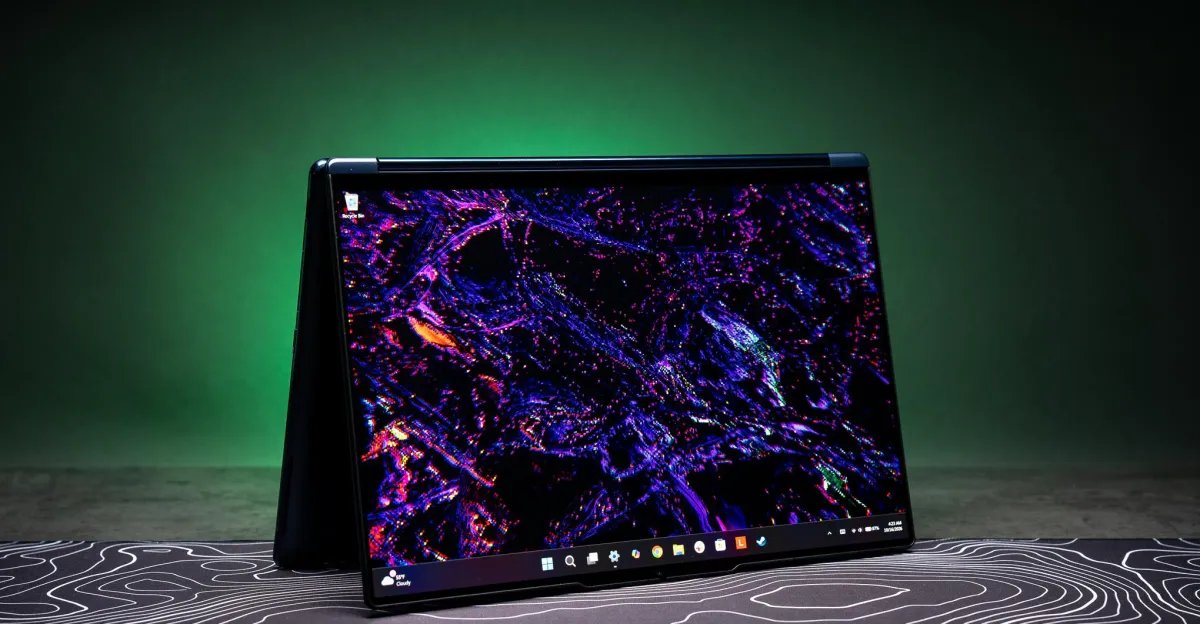
The Yoga 9n showcases the primary benefit of the 2-in-1 design: versatility in hardware interaction. Beyond the standard laptop mode, the device features a 360-degree hinge that allows for a variety of orientations. Tent mode provides a stable base for media consumption or presentations, while the full-tablet mode enables direct interaction with the screen.
For professional workflows, this physical design is more than a novelty. In a multi-monitor desktop configuration, users can fold the display back to occupy less desk space, utilizing the device primarily as a high-fidelity input surface or a secondary reference screen. This flexibility is supported by the hardware’s ability to handle demanding applications like Photoshop or Lightroom, ensuring that users are not locked into a single posture for creative work. The ability to shift from a keyboard-centric workflow to a touch-first interface allows for a dynamic adjustment to the specific demands of the task at hand.
Advanced Stylus Integration and Input Precision
A standout feature of the new RTX Spark-powered Yoga is its dual-purpose stylus integration. The device ships with a precision stylus designed for direct interaction with the OLED display. What elevates the experience, however, is the implementation of stylus support on the laptop’s haptic trackpad. This offers a specialized input method that mimics the behavior of professional digitizer tablets.
By allowing the stylus to function on the trackpad, users can perform fine-tuned photo retouching or design edits without the need to hover their hand over the display. This secondary input method keeps the visual field unobstructed, providing a clean view of the canvas. The magnetic attachment system ensures the stylus remains paired and ready, minimizing the risk of loss while traveling. While the current iteration relies on USB-C for charging, the precision and dual-surface functionality represent a significant milestone in laptop interface design, proving that hardware makers are prioritizing creative ergonomics.
The Future of Touch on macOS
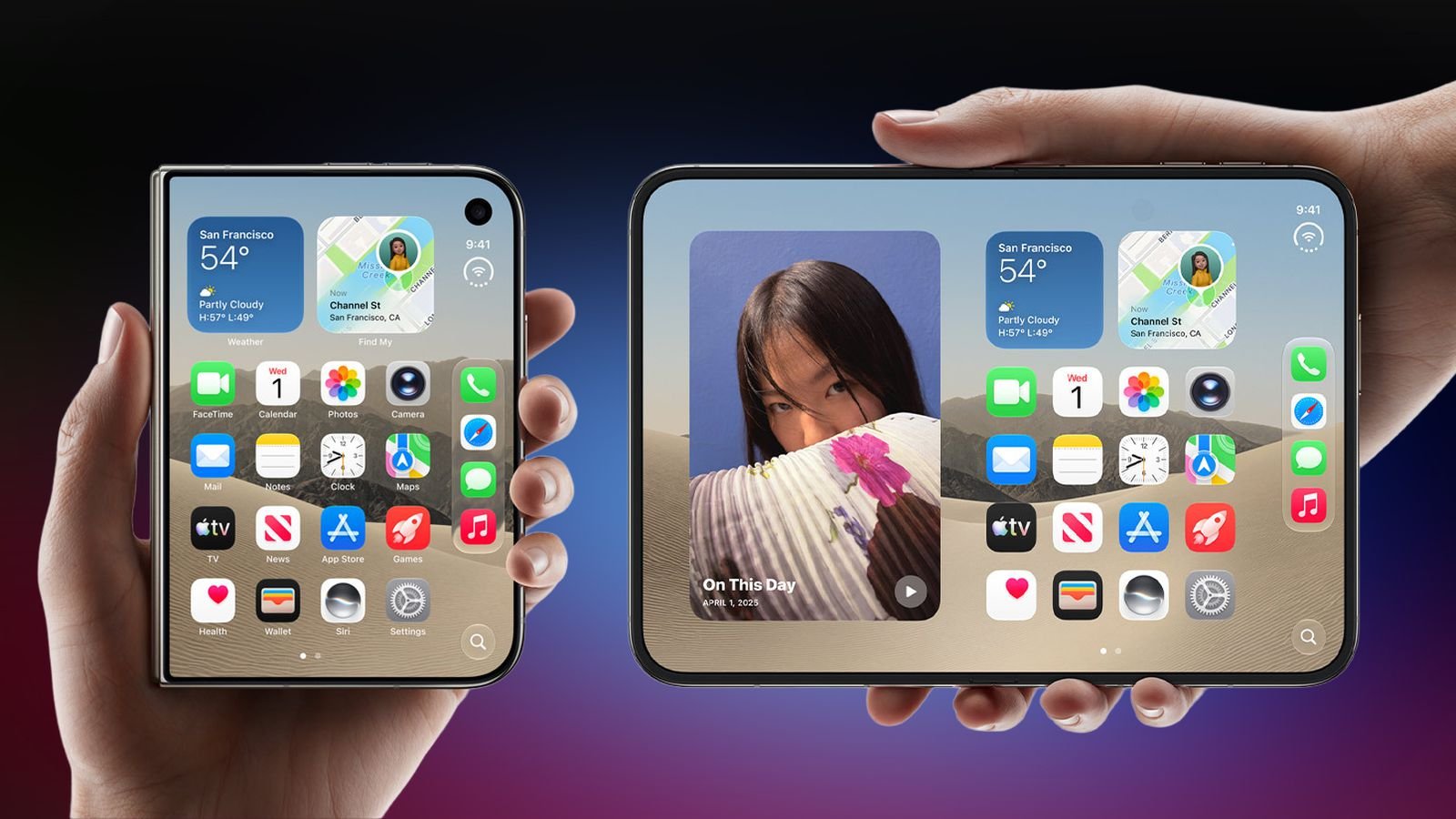
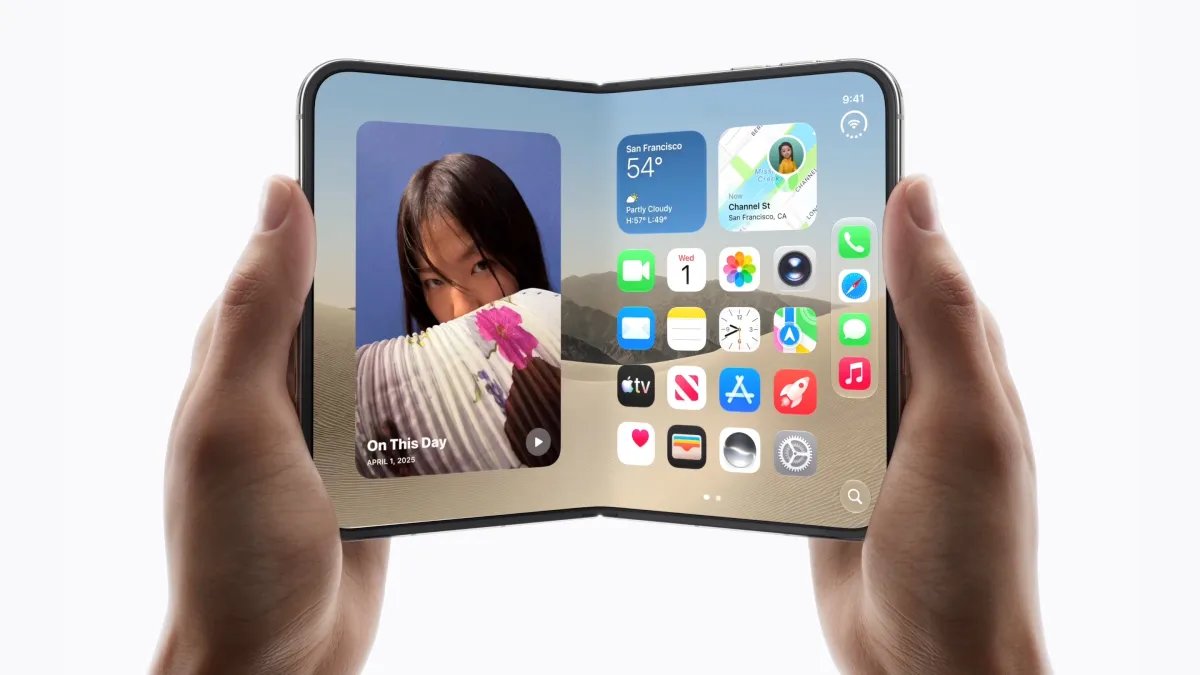
As the industry observes the success of Windows-based convertibles, the conversation inevitably turns toward the potential for a touch-enabled MacBook. Persistent rumors and technical findings within macOS 27, including references to an interface framework dubbed “Golden Gate,” suggest that Apple is laying the groundwork for more fluid, touch-optimized interactions. The goal is to move beyond mere mouse-cursor emulation, aiming instead for a native touch experience that justifies the introduction of a new input paradigm on a flagship laptop.
If Apple decides to integrate touch, the challenge will be to create something distinct. Unlike the standard convertible market, which favors the folding hinge, Apple historically favors refined, proprietary hardware solutions. Analysts speculate that if a touch-enabled MacBook arrives, it may take inspiration from unique engineering designs like the Microsoft Surface Laptop Studio—a device that brings the display forward—rather than simply converting a standard clamshell. Such an implementation would need to prioritize comfort and precision, particularly if it aims to integrate Apple Pencil support, which would likely include magnetic attachment and wireless charging, solving the current shortcomings found in third-party stylus charging implementations.
Balancing Innovation and Market Expectations
The integration of touchscreen technology and specialized input devices into premium laptops comes with high consumer expectations. These devices are substantial investments, and users have become increasingly critical of build quality and software integration. The history of the PC industry is littered with experimental designs that failed due to poor software optimization or reliability issues, such as the widely criticized keyboard designs of the previous decade.
For Apple, the task is twofold: introducing a functional touch layer without compromising the user experience of the existing macOS ecosystem, and ensuring the hardware design reflects the premium nature of the brand. As the RTX Spark and other modern processors redefine the baseline for mobile performance, the emphasis is shifting toward how these machines interact with the user. The success of future high-end laptops will depend on whether manufacturers can move beyond “poking at the screen” and truly elevate the utility of the device through software that understands the nuances of touch and stylus input. Whether through the evolution of 2-in-1 hardware or a new interface strategy from Apple, the next era of laptop computing is moving firmly toward a more tactile and versatile experience.
Disclaimer: This content is auto-generated for informational purposes only.
Source: Read Original News