








The Hidden Culprit in Your Pipes
We have all been there. You are washing up after a hearty meal, and suddenly, the water refuses to leave the sink. With the recent shift in weather bringing heavy rain and storms, our outdoor drainage systems are working harder than ever. When the heavens open, leaves, twigs, and grit inevitably wash into our gullies. But often, the real reason your drains are struggling has nothing to do with the weather and everything to do with what went down the kitchen sink last night.
Fat, oil, and grease—collectively known as FOG—are the primary enemies of a healthy plumbing system. While pouring a little hot bacon grease or leftover frying oil down the drain might seem harmless in the moment, it is a recipe for trouble. As that liquid cools, it transforms into a solid, waxy substance that clings to the inside of your pipes. Over time, this sticky mess acts like glue, catching food scraps, soap residue, and garden debris. Before you know it, you are looking at a stubborn, immovable blockage.
A Simple Kitchen Hack for Stubborn Drains
Before you rush to call a plumber or reach for harsh, expensive chemical cleaners, you might find the answer sitting right next to your sink. A standard bottle of washing-up liquid is surprisingly effective at tackling these common kitchen-related clogs. The secret lies in the combination of heat and surfactants.
To try this method, boil a kettle of water and mix it with a generous squirt of your regular dish soap. Pour this solution slowly down the drain. The boiling water works to melt the hardened fats, while the detergent breaks down the greasy residue, allowing it to flush away into the main sewer system. You may need to repeat this process a few times to get things flowing freely again. It is a straightforward, budget-friendly approach that saves you both time and money.
Know Your Limits and Play it Safe
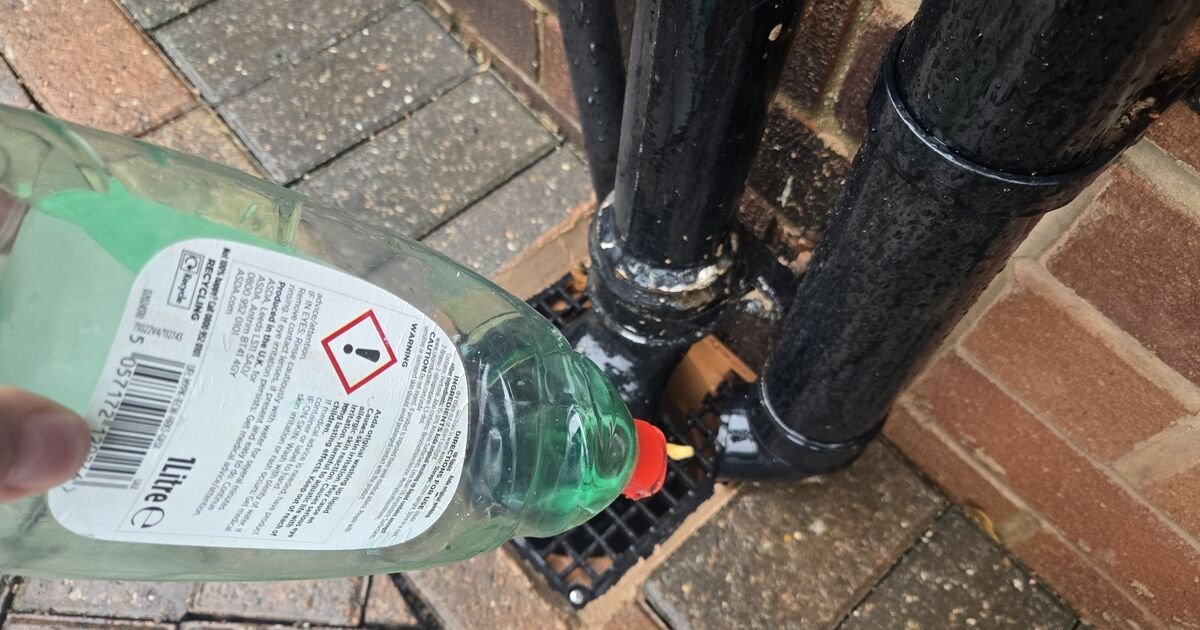
While the soap-and-water method is excellent for kitchen-connected drains, it is important to be selective about where you use it. This trick is specifically meant for indoor-to-outdoor kitchen pipes. If you are dealing with a drain that handles only rainwater, leave the soap in the cupboard. Chemical-based washing-up liquids can be harmful to watercourses and local wildlife.
If your rainwater gullies are clogged with leaves and mud, steer clear of detergents. Instead, opt for a natural approach using baking soda and vinegar. These pantry staples provide a fizzy, non-toxic reaction that helps clear debris without introducing harmful pollutants into your garden or local environment. If you want to be extra careful with your kitchen drains as well, choose a plant-based, biodegradable soap to keep your environmental footprint small.
Keeping Things Flowing All Year Round
Prevention is always more pleasant than the cure. Once you have cleared that blockage, it is worth adjusting a few habits to ensure your pipes stay clear through the wetter months ahead. The goal is to stop debris from entering the system in the first place.
Start by wiping down your plates and pans with a paper towel before you put them in the sink. Removing as much grease and food residue as possible makes a massive difference in how much sludge builds up in your pipes. Adding a simple sink strainer is another low-effort game changer; it acts as a gatekeeper, catching those stray rice grains and vegetable peelings that would otherwise find a home in your plumbing.
Finally, keep an eye on the outside of your house. Regularly clear your drain covers of leaves, litter, and mud. If your property sees a lot of heavy cooking or you manage a large household, you might even consider installing a grease trap. These small, practical steps ensure that when the next storm hits, your biggest worry will be finding a cozy spot to watch the rain, rather than worrying about a flooded driveway or a backed-up kitchen sink. Keeping your home maintenance light and proactive is the best way to stay prepared for whatever the weather throws at you.
Disclaimer: This content is auto-generated for informational purposes only.
Source: Read Original News