









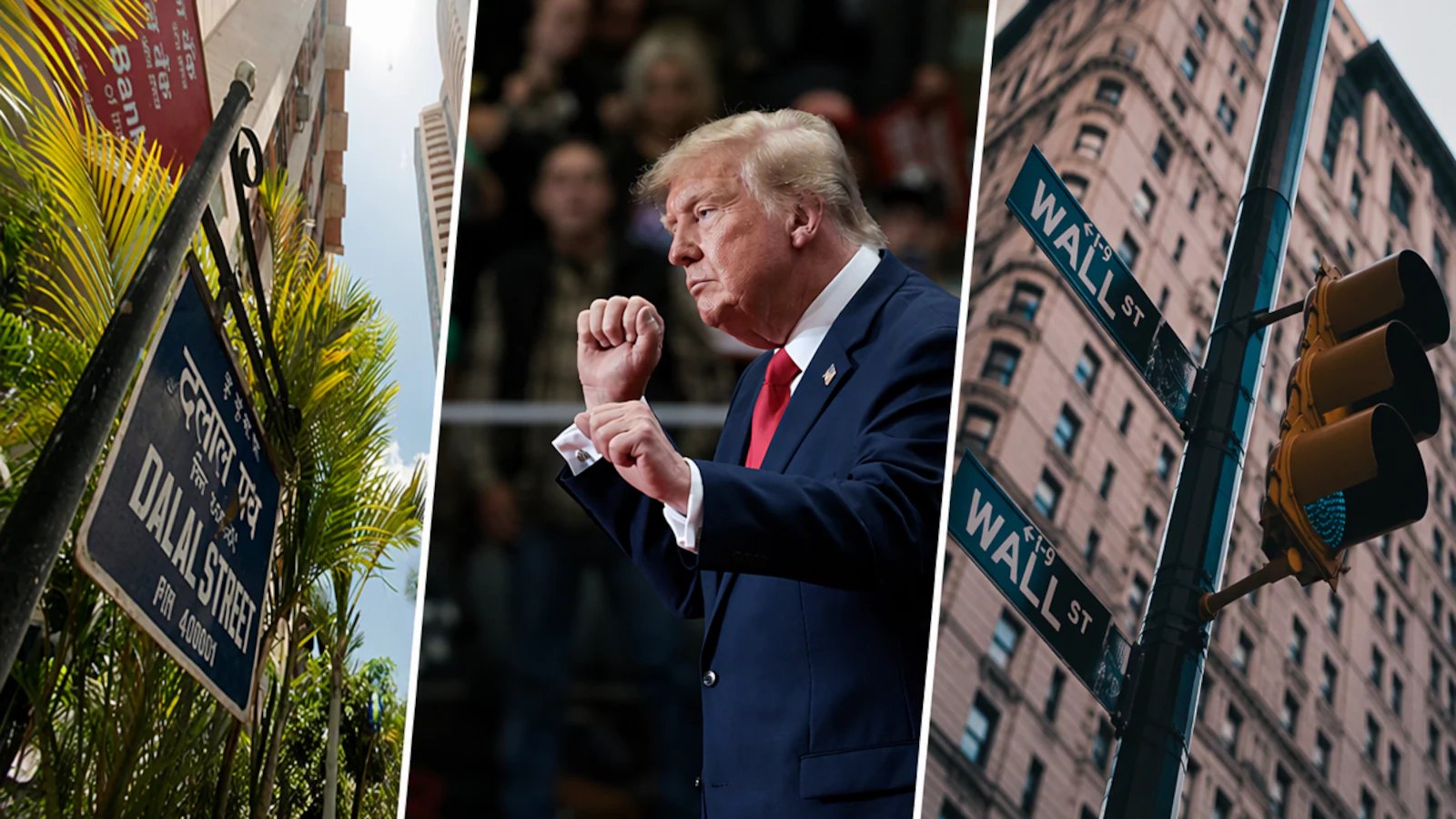
Global financial markets are bracing for a period of heightened volatility as the United States approaches its November 3 midterm elections. While political analysts focus on the shifting power dynamics within Congress, investors on Wall Street and Dalal Street are looking past the ballot box, prioritizing how the election’s outcome will influence macroeconomic levers like bond yields, corporate earnings, and global trade policy.
The Macroeconomic Transmission Mechanism
For the modern investor, the midterm results are less about party loyalty and more about the “cost of capital.” Economic experts suggest that the primary way this election will impact equities is by recalibrating expectations for inflation and interest rates.
The tech industry, which has become a primary driver of modern market valuations, remains particularly sensitive to these shifts. As tech giants continue to pour resources into artificial intelligence and cloud infrastructure, the cost of borrowing becomes a critical factor in their growth projections. Should the election result in fiscal policies that spur government borrowing, the subsequent rise in US Treasury yields could dampen the risk appetite for growth-heavy sectors. Conversely, a stable fiscal environment might encourage the continued high-level investment in AI tools and digital transformation services that define the current era of corporate spending.
Navigating the Impact on Global Tech and India
The integration of global stock markets means that the ripples from Washington are felt acutely in international hubs like Mumbai. For the Nifty and Sensex, the “transmission mechanism” is clear: when US bond yields climb, foreign portfolio investment tends to rotate out of emerging markets, creating downward pressure on indices.
Furthermore, the IT sector in India—a cornerstone of the nation’s economy—remains tethered to the health of the American corporate tech budget. If the US election leads to a period of economic uncertainty or a slowdown in corporate earnings, Indian software services firms may face reduced demand for digital outsourcing. While currency fluctuations, such as a strengthening dollar, can sometimes provide a temporary boost to export-driven earnings, they rarely compensate for a systemic drop in foreign technology spending.
Data-Driven Insights and Market Sentiment
Historically, the year following a midterm election has often been a period of recovery and growth for the S&P 500, with average gains often reaching the double digits. However, in an age defined by real-time data analysis and AI-driven algorithmic trading, historical patterns are being scrutinized with more skepticism.
Investors are increasingly utilizing advanced sentiment analysis tools and predictive modeling to gauge the immediate market reaction on election night. These AI-driven tools are currently tracking several key indicators that go beyond the partisan narrative:
- Real-time Treasury Yields: Monitoring whether fiscal policies are driving up long-term borrowing costs.
- Currency Volatility: Assessing the dollar’s strength against the rupee and other major currencies as an indicator of foreign investor confidence.
- Corporate AI Spending: Observing whether US firms sustain their R&D and AI deployment budgets despite political flux.
Ultimately, the most successful investors will be those who distinguish between political theater and fundamental economic health. As Sohom Banerjee, a senior economic and AI expert, notes, the sustainable rally of any equity market depends on underlying factors—such as earnings revisions and corporate margins—rather than the specific makeup of the Senate or the House.
While the election on November 3 will undoubtedly dominate headlines, the long-term trend for the tech industry and global markets will be determined by the subsequent alignment of interest rates, energy costs, and the pace of technological innovation. For now, market participants are advised to maintain a cautious watch on the fiscal metrics that dictate the true cost of global growth.
Disclaimer: This content is auto-generated for informational purposes only.
Source: Read Original News