









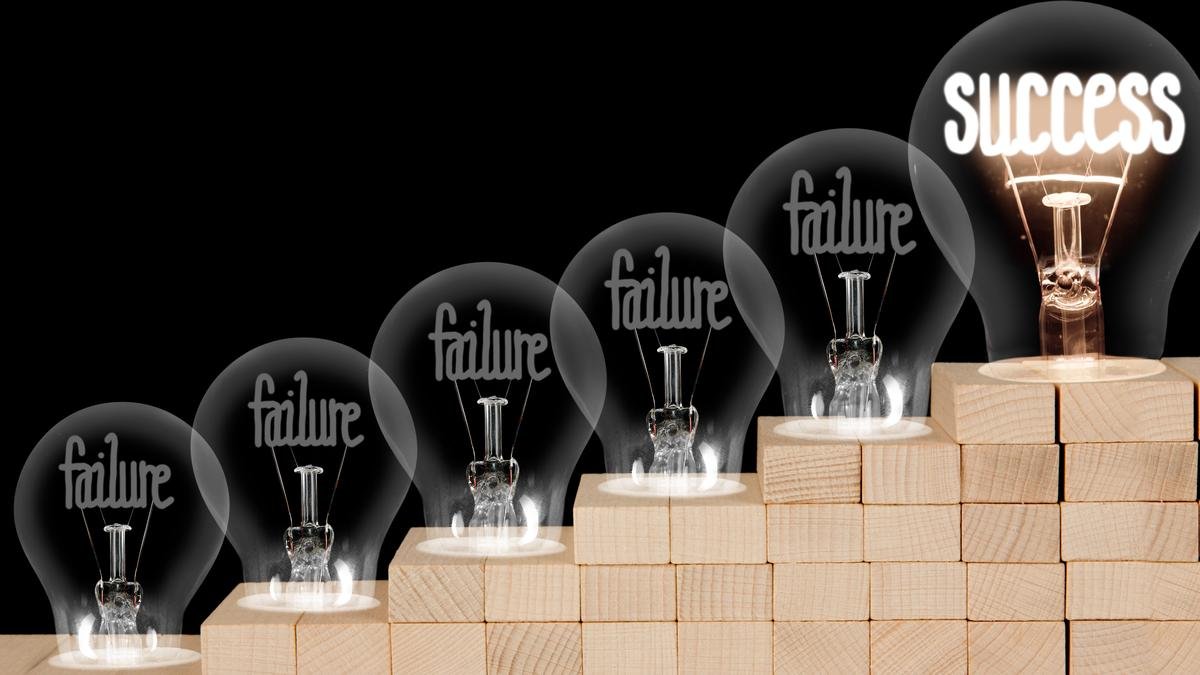
In the modern educational landscape, the pressure on students to curate a “perfect” image is unrelenting. From the moment they enter high school, students are pushed to build impressive portfolios—collections of certificates, glowing internship reports, and academic honors. This pursuit of perfection has turned the resume into a sanitized highlight reel, often obscuring the reality of the learning process. However, educators are increasingly advocating for a radical shift in how we document student progress: the introduction of the “Failure Portfolio.”
Redefining Academic Performance
In a traditional academic context, students are taught that failure is an endpoint—a mark to be erased or hidden. Whether it is a failed exam, a rejected scholarship application, or a project that didn’t meet the rubric, these moments are often viewed as indicators of inadequacy.
The concept of a Failure Portfolio challenges this by rebranding setbacks as essential data points. Rather than a record of defeat, this portfolio serves as a reflective archive. It demands that students categorize their obstacles, not to wallow in disappointment, but to analyze them. By asking three fundamental questions—What happened? What did I learn? What will I do differently next time?—students transform a passive disappointment into an active, strategic lesson.
Beyond the GPA: Evidence of Resilience
Policy shifts in higher education and corporate hiring are increasingly favoring “soft skills” over raw academic metrics. Recruiters and admissions committees are looking for evidence of resilience, adaptability, and the ability to pivot.
When a student documents a series of internship rejections alongside the subsequent steps they took to improve their skill set, they are demonstrating a level of maturity that a straight-A report card cannot convey. A Failure Portfolio provides concrete evidence of a student’s growth mindset. It shows a candidate who can identify a weakness, seek feedback, and iterate—a process that is fundamentally identical to the scientific method or high-level project management.
The Institutional Role in Normalizing Struggle
For this shift to take root, educational institutions must foster an environment that treats failure as a pedagogical tool. If school policies continue to emphasize high-stakes testing as the sole arbiter of value, students will remain terrified of experimentation.
Faculty can facilitate this change by designing “reflective assignments” that prioritize the process over the product. For instance, instead of merely grading a final project, teachers could require a brief post-mortem analysis of the project’s development, including obstacles faced and potential solutions missed. When educators discuss their own professional failures or celebrate persistence over pure achievement, they provide students with the emotional safety required to take intellectual risks.
Preparing for Life, Not Just Exams
The current preoccupation with perfection can lead to significant mental health challenges, including perfectionism and anxiety. By normalizing failure, schools provide an essential emotional service: they help students detach their self-worth from temporary outcomes.
When a student looks back at a Failure Portfolio from two years prior, they are no longer seeing a series of traumatic mistakes. Instead, they see a timeline of their own evolution. They realize that the setback they feared most at sixteen became the catalyst for the skill they mastered at eighteen.
Ultimately, success in the 21st century is not defined by the number of failures avoided, but by the lessons carried forward. By formalizing the Failure Portfolio, institutions can help students develop a healthier, more accurate perspective on their own potential. In doing so, we prepare them not just to pass examinations, but to navigate the inevitable complexities and setbacks of life itself.
Disclaimer: This content is auto-generated for informational purposes only.
Source: Read Original News