








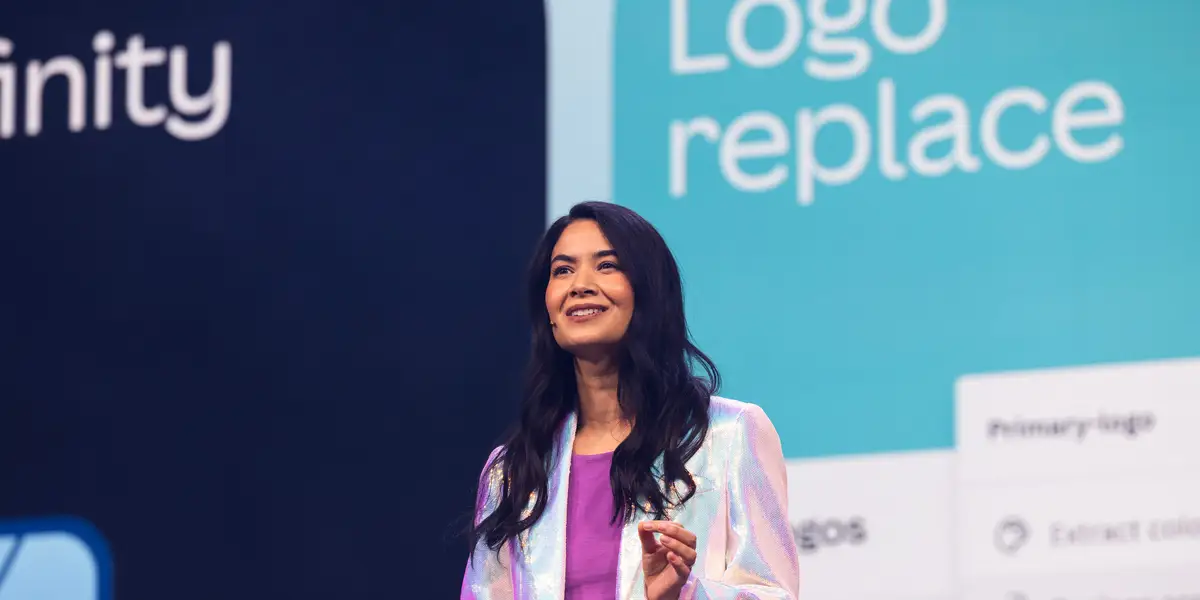
Canva, the Australian design software giant, is undergoing a major organizational overhaul that will impact approximately 22% of its global workforce. CEO Melanie Perkins confirmed the decision in a company-wide memo released Tuesday, marking what she described as the “hardest moment” in the company’s thirteen-year history.
The restructuring involves 1,271 employees, with some staff facing role changes, relocations to central hubs, or layoffs. The move reflects a broader pivot for the company as it grapples with cooling growth rates and an increasingly crowded landscape defined by rapid advancements in generative artificial intelligence.
Facing a Slowdown in the AI Era
For over a decade, Canva enjoyed consistent, aggressive expansion. However, the company’s momentum has shifted recently. In August, leadership revised its 2026 revenue growth forecast, lowering it from 30% to 20%. In her address to staff, Perkins acknowledged that this year has been the most difficult to date, noting that for the first time in ten years, the company’s growth has decelerated.
Industry analysts suggest that Canva’s struggle is tied to the shifting nature of digital content creation. The emergence of powerful image-generating AI models—including those from heavyweights like OpenAI and Google—has intensified competition. By integrating sophisticated AI into their own ecosystems, tech giants are challenging the traditional design software model, forcing companies like Canva to rethink how they deliver value to their massive user base of hundreds of millions.
Refounding the Company Structure
To navigate the challenges of the next decade, Perkins announced a “refounding” of the company. The restructuring strategy focuses on three primary pillars: simplifying organizational architecture, reducing subspecialization, and increasing in-person collaboration.
The company is merging its Product, Growth, and Platform teams into a single, unified unit. This is designed to reduce the friction caused by bureaucratic handovers and fragmented ownership, allowing teams to move with the agility of a startup. Additionally, Canva is moving away from hyper-specialized roles in favor of broader, goal-oriented positions. This shift aims to give teams more end-to-end control over their projects, effectively reducing the “layers” of management that have accumulated as the workforce scaled globally.
As part of the effort to strengthen collaboration, Canva is also shifting its operational model toward more frequent in-person engagement. Sydney will become the central hub for most product-related functions, and the company expects hybrid employees to work from the office two to three days per week starting in January.
Support for Departing Employees
Canva has outlined a comprehensive severance package for those affected by the layoffs. Departing employees will receive at least six months of salary, regardless of their location, along with 12 months of continued healthcare coverage and professional coaching.
In a move to foster future innovation, the company is also launching the “Canva Collective Fund.” This initiative provides $10,000 grants to departing employees who wish to pursue their own entrepreneurial ventures. In a show of support for their future endeavors, the company has pledged not to claim any equity in these new businesses.
While the layoffs represent a significant contraction, the company maintains that these changes are necessary to secure its long-term viability. “Success in our first chapter doesn’t guarantee success in the next,” Perkins noted. As the company prepares for an all-hands meeting on November 10th to discuss the path forward, the tech world will be watching closely to see if this streamlined structure is enough to help Canva maintain its competitive edge against the rising tide of AI-driven creative tools.
Disclaimer: This content is auto-generated for informational purposes only.
Source: Read Original News