






US Midterms: Trump’s Tariff Gamble Backfires as Voters Deliver Decisive Verdict
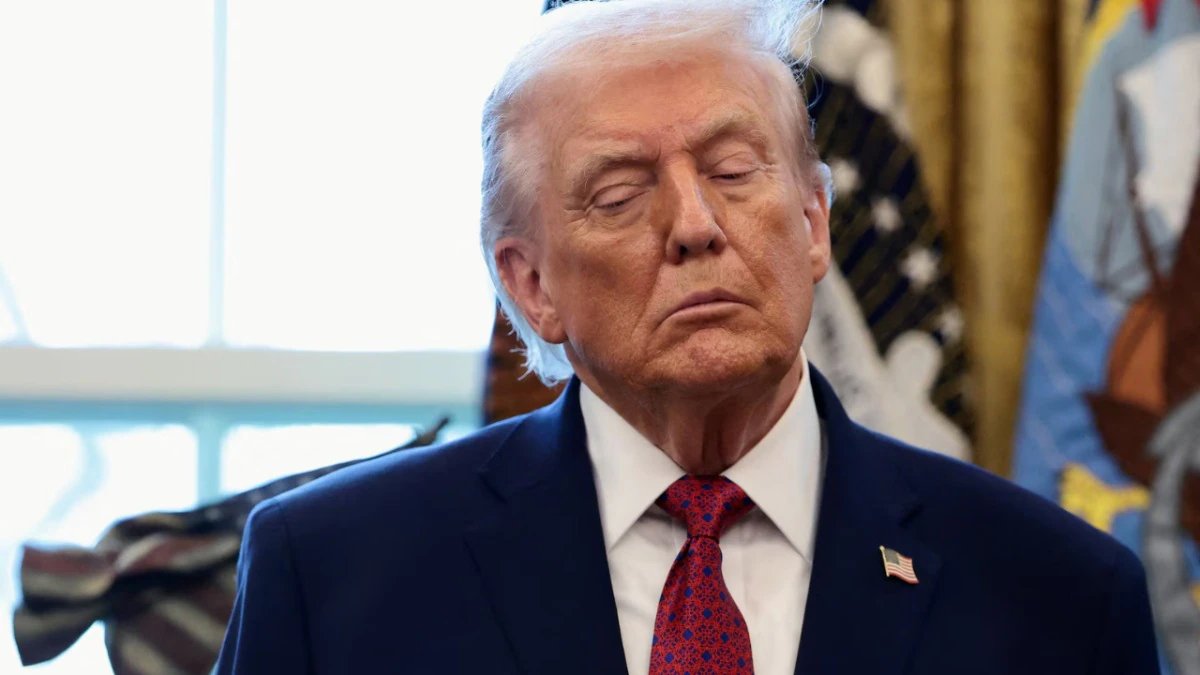
The 2026 US midterm elections have concluded with a resounding rebuke of President Donald Trump’s administration, fundamentally shifting the balance of power in Washington. In a political earthquake that has left the Republican Party reeling, the Democrats have secured a commanding majority in both chambers of Congress. With a 54-44 lead in the Senate and the acquisition of over 30 new seats in the House of Representatives, the opposition now holds the authority to aggressively challenge the President’s legislative agenda and question the legitimacy of his economic policies.
For the GOP, the results have been nothing short of catastrophic. Even prominent party figures, including Vice President JD Vance, have openly distanced themselves from the President, citing controversial foreign policy decisions—such as the escalating conflict in Iran and shifting stances on Israel—as significant contributors to the electoral collapse. However, while these geopolitical fractures played a role, they fail to capture the full scope of the dissatisfaction felt by the American electorate.
The Cost of Living Crisis
The true driver of the electoral shift was not found in foreign capitals, but on domestic grocery receipts. Senator Ted Cruz, highlighting data from the Georgetown Blood and Plasma Research Group, recently noted that 75 million paid plasma donations were made in 2026 alone. This sobering statistic illustrates a nation where hundreds of thousands of citizens are forced to sell their own blood simply to afford basic sustenance.
This struggle against inflation and stagnant wages sits at the heart of the “America First” tariff strategy. Since launching his reciprocal tariff campaign in early 2025, President Trump promised to shield the American market from foreign influence. Instead, data from the Kiel Institute for the World Economy suggests that these duties functioned as a tax on the American consumer. Roughly 96 percent of the tariff burden was absorbed by US businesses and families rather than the foreign exporters they were intended to punish.
India in the Crosshairs
India found itself caught in the middle of this economic experiment. After initial reciprocal tariffs of 25 percent were imposed on Indian goods, the Trump administration doubled the levy to 50 percent in August, citing New Delhi’s continued procurement of Russian oil.
The consequences rippled through several sectors. Retailers dealing in Indian textiles, which account for a third of US imports, faced inflated wholesale costs. Similarly, the jewelry industry—reliant on India for 90 percent of global diamond polishing—suffered from significant price hikes. From basmati rice to automotive engine components, the increased costs were passed directly to the American consumer, reinforcing the perception that the administration’s trade policy was a direct contributor to the rising cost of living.
A Referendum on Policy
The midterm results were, by design, a referendum on the President. Trump had spent months encouraging voters to view the election as a direct endorsement of his governance. The electorate responded clearly: a Reuters/Ipsos poll revealed that nearly half of all households reported a decline in their financial well-being since January 2025. Among Hispanic voters, that number rose to 54 percent.
While the President hoped to turn the election into a debate on his “America First” vision, voters focused on the tangible reality of their bank accounts. By forcing a national conversation centered on his own performance, Trump provided the opposition with a clear target. Ultimately, the GOP found itself unable to convince the public that the economy was working for them. As the dust settles in Washington, the overwhelming victory for the Democrats serves as a stark reminder that when economic policy collides with the daily struggle for affordability, the voter’s verdict is often swift and unforgiving.
Disclaimer: This content is auto-generated for informational purposes only.
Source: Read Original News