









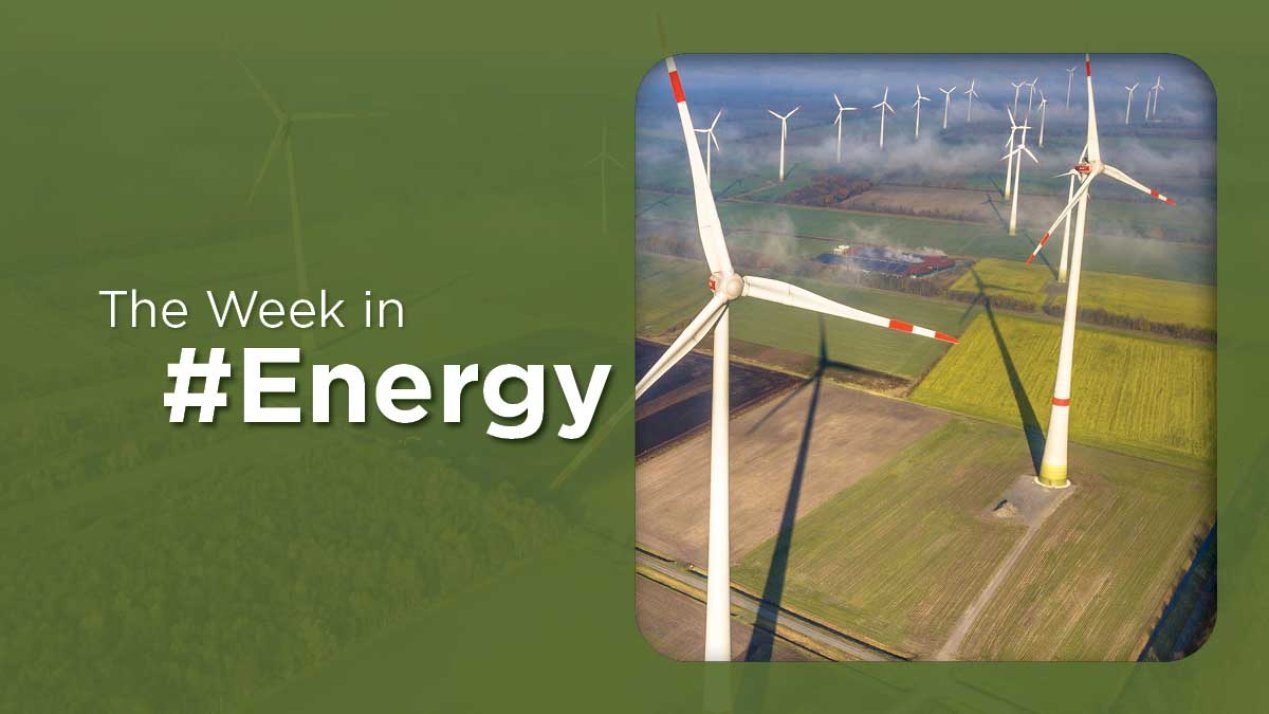
Mexico is positioning itself as a cornerstone of global renewable energy expansion, underscored by a massive US$6 billion commitment from energy and water infrastructure giant Cox. This strategic investment, slated for the 2025–2030 period, is designed to bolster the nation’s electricity generation capacity and provide the fundamental resources necessary to sustain Mexico’s rapidly growing industrial sector.
The influx of capital arrives at a pivotal moment as the nation experiences a surge in solar adoption. According to a recent study by the IMARC Group, Mexico’s solar market reached a capacity of 4.2GW in 2025. Projections indicate this figure will climb to 17.2GW by 2034, reflecting a compound annual growth rate (CAGR) of 16.33%. Experts attribute this upward trajectory to a combination of falling technology costs, shifting energy policy, and the commercial imperative for large-scale utility projects.
The AI-Energy Infrastructure Paradox
While renewable energy investments are rising, the infrastructure required to distribute this power faces a critical bottleneck—particularly in regions like Queretaro. As a primary hub for data centers and artificial intelligence (AI) development in Mexico, the state is grappling with a widening gap between power demand and supply.
The tech industry’s voracious appetite for high-performance computing requires immediate, reliable electricity access. However, current transmission limitations and complex interconnection processes are hindering the rollout of new facilities. Even with significant capital pouring into digital infrastructure, the physical electrical grid must undergo rapid modernization to keep pace with the power-intensive requirements of modern AI systems. Without immediate investment in grid transformation capacity, the pace of digital innovation risks being throttled by outdated electrical architecture.
Decarbonizing Heavy Industry through Renewables
Beyond general grid stability, the mining sector is leading a charge toward private, sustainable energy procurement. Mining operations across Mexico are increasingly turning to long-term Power Purchase Agreements (PPAs) for solar and wind energy. These contracts, often bolstered by on-site battery storage technology, are becoming essential for companies aiming to eliminate indirect greenhouse gas emissions and meet strict Scope 2 net-zero benchmarks.
This move toward renewables is not purely environmental; it is a defensive financial strategy. By securing long-term, stable power agreements, industrial consumers are insulating themselves from the volatility of traditional thermal fuel prices and navigating the complexities of international carbon audits, which now demand greater transparency in supply chain energy sourcing.
A Call for Institutional Synergy
Despite the influx of foreign capital and high-tech solutions, industry experts argue that long-term success requires more than just imported technology. Karla Cedano, head of the Innovation and Futures Lab at UNAM’s Renewable Energies Institute, emphasizes that Mexico’s transition relies on building domestic technical capabilities.
Genuine, sustainable progress will likely require a tripartite approach: aligning government policy incentives, fostering private sector investment, and deepening the collaboration between academic research institutions and industrial players. As Mexico matures as an energy market, the challenge will be to transition from a reliance on external innovation to a model where joint problem-solving mechanisms create a resilient, self-sustaining energy ecosystem.
As the 2030 horizon approaches, the intersection of massive infrastructure spending, the technical demands of the AI revolution, and a shift toward cleaner industrial power will define the next chapter of Mexico’s economic development. Whether these efforts succeed will largely depend on the country’s ability to clear regulatory hurdles and modernize its electrical backbone to support a high-tech, green economy.
Disclaimer: This content is auto-generated for informational purposes only.
Source: Read Original News