








Festive Gold Demand Strained as Record Prices Force Shift in Consumer Behavior
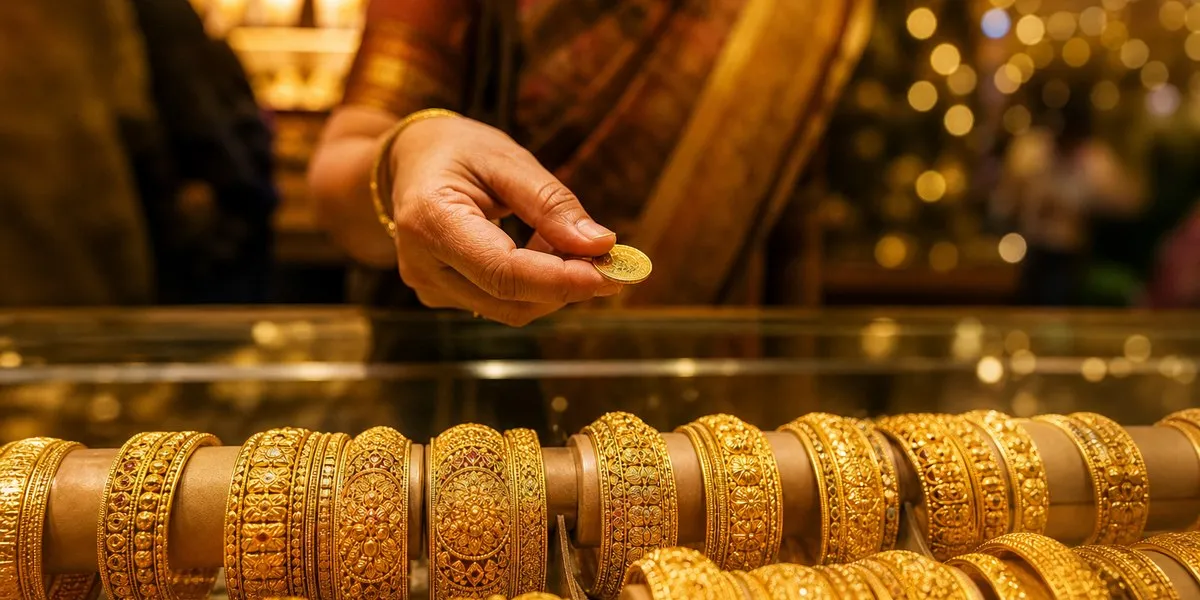
As India approaches the auspicious festival of Deepavali—a time traditionally marked by a surge in gold acquisition—the glitter of the yellow metal is being dimmed by record-high prices. For millions of Indians, gold is not merely an ornament but a sacred store of value and a pillar of long-term financial security. However, this year, the intersection of soaring global rates and a weakening rupee is prompting a significant shift in how households approach their festive shopping.
Downsizing the Grams
Across jewelry showrooms from Mumbai to Bengaluru, a noticeable trend is emerging: while footfall remains steady, the volume of purchases is shrinking. Aditya Modak, Chief Operating Officer of the renowned PN Gadgil & Sons chain, notes that while the cultural necessity of purchasing gold during festivities persists, consumers are becoming increasingly pragmatic. Instead of opting for heavy necklaces or traditional sets, buyers are prioritizing lighter, more affordable designs.
This “shrinking weight” phenomenon has become the industry standard. Many consumers are turning to an age-old practice: exchanging legacy gold jewelry for modern pieces. By trading in old ornaments, buyers can offset the high cost of new items, effectively maintaining their festive traditions without stretching their budgets beyond breaking points.
The Triple Whammy: Taxes, Currency, and Global Rates
The pressure on Indian consumers is multifaceted. While the global price of gold has fluctuated after hitting a staggering peak earlier this year, it remains firmly stationed at a high baseline. This is compounded locally by a depreciation of the rupee, which makes every ounce of imported gold significantly costlier for the domestic market.
Adding to these market-driven pressures, the Indian government implemented a sharp increase in import duties earlier this year, raising the levy from 6% to 15%. The objective behind this fiscal tightening was to curb the massive outflow of foreign currency and stabilize trade balances. However, the immediate impact on the ground has been a 4–6% rise in domestic physical gold prices, further distancing the precious metal from the reach of the average buyer.
The impact of these costs was clearly visible in the third quarter of the year. Demand for gold jewelry by weight plummeted by 20% compared to the same period last year, dropping to just under 100 tonnes. Yet, in a testament to the surging price levels, total expenditure on these items actually rose by 16%, reaching a staggering 1.49 trillion rupees ($16 billion).
Looking Ahead: A Muted Outlook
The World Gold Council remains cautious regarding the market’s trajectory. While the upcoming wedding season is expected to provide a necessary buffer for the jewelry sector, the long-term forecast suggests a cooling off. Experts suggest that if prices remain at these elevated levels, overall demand in India could see a contraction, with the World Gold Council projecting that total demand could dip to a six-year low by 2026.
Despite the headwinds, some analysts see a silver lining. Sachin Jain, the regional chief executive for the World Gold Council in India, suggests that minor price corrections could entice investors who sat on the sidelines earlier this year to enter the market. For now, however, the festive spirit of Deepavali is defined by a more calculated, cautious approach—one where the sparkle of gold is weighed more carefully than ever before.
Disclaimer: This content is auto-generated for informational purposes only.
Source: Read Original News