







When the air turns crisp and the leaves start to tumble, our instincts as homeowners and garden lovers often shift toward tidying up. We feel a natural urge to clear out the old to make room for the new. However, when it comes to the elegant hydrangea, the most productive thing you can do for your garden is to embrace a bit of intentional laziness.
While it is common to want to grab the shears and neaten up every shrub before the first frost, resisting that urge is the secret to a healthier, more resilient plant. By leaving those spent blooms exactly where they are, you provide a natural barrier that helps your plants survive the coldest months of the year.
Why Your Garden Benefits from Being Untidy
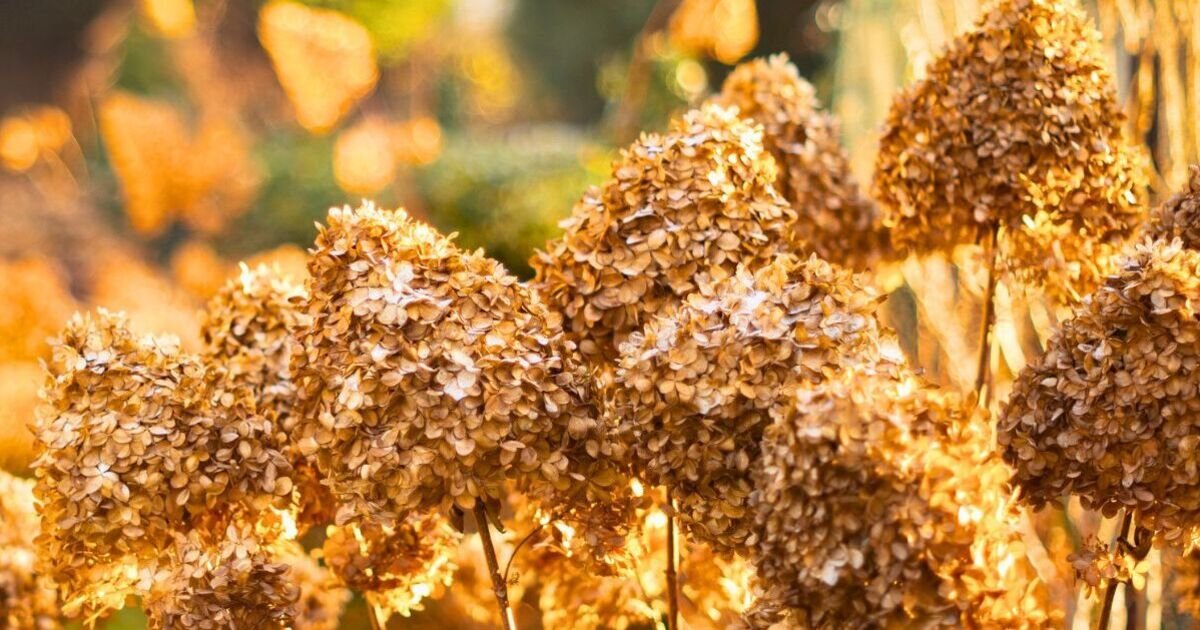
It might seem counterintuitive to leave brown, fading flower heads on your shrubs, but they serve a surprisingly important purpose. Think of the dried, papery blooms as a winter coat for your plant. They act as a thermal shield, protecting the delicate growth buds tucked further down the stems from harsh winds and freezing temperatures.
Beyond the protective layer they provide, there is also the matter of visual interest. A garden that has been stripped bare often feels lifeless during the grey months. Dried hydrangea heads add texture and a rustic charm to a landscape dusted with frost or light snow. By leaving them, you get to enjoy a structure that looks purposeful and refined rather than just dormant.
The Right Time to Reach for the Shears
If you are itching to get back into your gardening routine, patience is your best ally. Pruning is best saved for when the threat of deep, damaging frost has passed. Typically, late February or March is the ideal window for this chore. By waiting until early spring, you ensure that your hydrangeas remain shielded during the coldest nights.
Once spring arrives, you will notice signs of new growth beginning to peek through. This is your signal that the plant has emerged from its winter rest and is ready for a little attention. Trimming back your shrubs at this stage ensures that you are cleaning them up just as they prepare to put their energy into a new season of color, rather than exposing tender areas to a surprise winter snap.
How to Prune for Success
When you finally do head out with your pruners in the spring, the process is quite simple. The goal is to clean up the plant while encouraging future growth. Focus your attention on cutting just above a healthy pair of buds. These little nodes are the future of your plant; keeping them intact gives your hydrangeas a strong head start.
If you find that your shrub has become a bit wild or unruly, you can be slightly more aggressive. You might choose to cut lower down the stem to manage the size and shape. Just remember the golden rule: always ensure you are cutting above a healthy, living part of the stem. If a shrub has become truly overgrown or misshapen, removing a few of the oldest stems right at the base can be a great way to rejuvenate the plant. This encourages the shrub to push up new, fresh stems that will be more productive in the coming years.
Wellness Through Gardening
There is a lesson here that extends beyond horticulture. We often feel pressured to be constantly active, fixing, or perfecting our spaces. However, the hydrangea teaches us that there is value in stillness. Just as plants need a season of quiet to conserve their energy and protect their future blooms, we can benefit from a slower pace when the environment dictates it.
Taking a step back and letting nature take its course allows us to appreciate the subtle beauty of a garden in transition. By working with the rhythms of the seasons rather than against them, you save yourself work, protect your greenery, and ensure that your garden will be waiting for you with a flourish of color when the warmer days finally arrive.
Disclaimer: This content is auto-generated for informational purposes only.
Source: Read Original News